Anavilhanas National Park
🇧🇷 Brazil
🐬 Boto River Dolphin SanctuaryAnavilhanas National Park is a vast riverine protected area in the Brazilian Amazon, featuring a massive labyrinth of freshwater channels, flooded forests, and countless floating islands. This wetland labyrinth stands apart from solid-land reserves through its constantly shifting aquatic pathways and dense vegetation shaped by rising and falling river levels.
-2.270° S 60.906° W
Wildlife
⭐ Iconic Species
 ★
★ Boto
Inia geoffrensis
 ★
★ Black Caiman
Melanosuchus niger
 ★
★ Brown-throated Sloth
Bradypus variegatus
 ★
★ Garden Tree Boa
Corallus hortulana
📊 Most Spotted

Yellow-rumped Cacique
Cacicus cela

White-throated Toucan
Ramphastos tucanus

Black Vulture
Coragyps atratus

Festive Parrot
Amazona festiva

Tropical Kingbird
Tyrannus melancholicus

Screaming Piha
Lipaugus vociferans

Green-backed Trogon
Trogon viridis

Swallow-wing Puffbird
Chelidoptera tenebrosa

Silver-beaked Tanager
Ramphocelus carbo

Ringed Kingfisher
Megaceryle torquata

Green Iguana
Iguana iguana

Great Kiskadee
Pitangus sulphuratus
⭐ Iconic Species
📊 Most Spotted

Humboldt’s Squirrel Monkey
Saimiri cassiquiarensis

Common Squirrel Monkey
Saimiri sciureus

Noisy Night Monkey
Aotus vociferans

Linnaeus's Two-toed Sloth
Choloepus didactylus
Greater Dog-like Bat
Peropteryx kappleri

Tucuxi
Sotalia fluviatilis

Proboscis Bat
Rhynchonycteris naso

Pale-throated Sloth
Bradypus tridactylus

Lesser Dog-like Bat
Peropteryx macrotis

Brown Capuchin
Sapajus apella

Giant Otter
Pteronura brasiliensis
Chestnut Sac-winged Bat
Cormura brevirostris
📊 Most Spotted
Yellow-rumped Cacique
Cacicus cela
White-throated Toucan
Ramphastos tucanus
Black Vulture
Coragyps atratus
Festive Parrot
Amazona festiva
Tropical Kingbird
Tyrannus melancholicus
Screaming Piha
Lipaugus vociferans
Green-backed Trogon
Trogon viridis
Swallow-wing Puffbird
Chelidoptera tenebrosa
Silver-beaked Tanager
Ramphocelus carbo
Ringed Kingfisher
Megaceryle torquata
Great Kiskadee
Pitangus sulphuratus

Blue-headed Parrot
Pionus menstruus
⭐ Iconic Species
📊 Most Spotted
Green Iguana
Iguana iguana

Amazon Racerunner
Ameiva ameiva

Common Caiman
Caiman crocodilus

Trinidad Gecko
Gonatodes humeralis

Tropical House Gecko
Hemidactylus mabouia

Diving Lizard
Uranoscodon superciliosus

Red-tailed Boa
Boa constrictor

Barba Amarilla
Bothrops atrox

Yellow-headed Sideneck
Podocnemis unifilis

Forest Whiptail
Kentropyx pelviceps

Green Vine Snake
Oxybelis fulgidus

Twist-neck Turtle
Platemys platycephala
📊 Most Spotted

Eastern Cane Toad
Rhinella marina

Smoky Jungle Frog
Leptodactylus pentadactylus

South American Common Toad
Rhinella margaritifera

Giant Broad-headed Treefrog
Osteocephalus taurinus

Rusty Tree Frog
Boana boans

Boatman frog
Trachycephalus resinifictrix
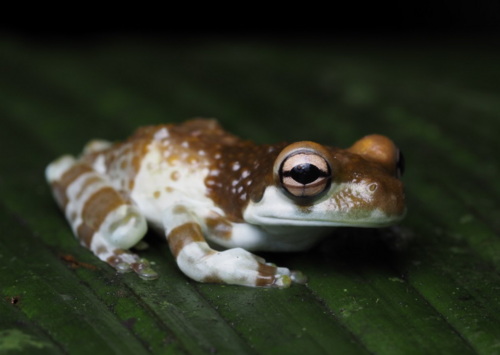
Toad-wife Tree Frog
Trachycephalus cunauaru

Loreto White-lipped Frog
Leptodactylus rhodomystax

Snouted Toad
Rhinella proboscidea

Three-striped Poison Frog
Ameerega trivittata

Red Snouted Tree Frog
Scinax ruber

Dwarf Tree Frog
Dendropsophus nanus
Animal Events
Brown-throated Sloth Canopy Foraging in Flooded Igapó
Rising floodwaters force sloths to navigate dense upper canopy branches, where they actively feed on emergent tender leaves and fruit.
Boto River Dolphin Feeding and Low Water Concentration
As dry season water levels drop, fish concentrate in shrinking channels, drawing high numbers of Boto river dolphins to feed actively near sandbanks and river edges.
Black Caiman Dry Season Basking and Nesting
Exposed sandbanks and drying mudflats during early seasonal changes provide optimal environments for large caimans to bask and prepare nesting sites.
Sighting Calendar
Chance of spotting each species, month by month
Sighting Zones
Warm areas are where all species together are recorded most, so they track where people go as much as where animals are. For one species, see the map on its own page.
Where Wildlife Score
How good is this park for seeing wildlife?Biodiversity
ExcellentHow rich is the wildlife?
Sighting
GoodHow likely to see animals?
Quick answers
What animals can you see in Anavilhanas National Park?
The most likely sightings are Yellow-rumped Cacique (seen by 50–60% of wildlife watchers), White-throated Toucan (seen by 50–60% of wildlife watchers), Boto (seen by 50–60% of wildlife watchers), Black Vulture (seen by 50–60% of wildlife watchers), Festive Parrot (seen by 40–50% of wildlife watchers) — among 1314 recorded vertebrate species, based on citizen-science data from GBIF.
When is the best time to visit Anavilhanas National Park for wildlife?
August has the highest combined sighting rate for the park's top species in our month-by-month GBIF data. The full sighting calendar on this page shows each species' best months.
Can you see Boto in Anavilhanas National Park?
Yes — about 52% of wildlife watchers report a Boto sighting in Anavilhanas National Park, based on 30 days of visitor records from GBIF citizen-science data.
Can you see Black Caiman in Anavilhanas National Park?
Yes — about 41% of wildlife watchers report a Black Caiman sighting in Anavilhanas National Park, based on 18 days of visitor records from GBIF citizen-science data.
Can you see Brown-throated Sloth in Anavilhanas National Park?
Yes — about 32% of wildlife watchers report a Brown-throated Sloth sighting in Anavilhanas National Park, based on 24 days of visitor records from GBIF citizen-science data.
Can you see Garden Tree Boa in Anavilhanas National Park?
Yes — about 32% of wildlife watchers report a Garden Tree Boa sighting in Anavilhanas National Park, based on 12 days of visitor records from GBIF citizen-science data.


