Bale Mountains National Park
🇪🇹 Ethiopia
🐺 Ethiopian Wolves on the Sanetti PlateauBale Mountains National Park is a protected high-altitude grassland and mountain wilderness in the Horn of Africa, Ethiopia. Visitors walk through vast sweeping plateaus and damp valleys dominated by open alpine vegetation. This terrain differs from typical tropical forests through its freezing night temperatures and endless moorlands. The park is famous as the global stronghold for the rare Ethiopian Wolf and the majestic Mountain Nyala.
6.871° N 39.777° E
Wildlife
⭐ Iconic Species
 ★
★ Ethiopian Wolf
Canis simensis
 ★
★ Mountain Nyala
Tragelaphus buxtoni
 ★
★ Blue-winged Goose
Cyanochen cyanoptera
📊 Most Spotted

Abyssinian Thrush
Turdus abyssinicus

Streaky Seedeater
Crithagra striolata

Wattled Ibis
Bostrychia carunculata

Moorland Chat
Pinarochroa sordida

Common Warthog
Phacochoerus africanus

Augur Buzzard
Buteo augur

Tacazze Sunbird
Nectarinia tacazze

Baglafecht Weaver
Ploceus baglafecht

Chestnut-naped Spurfowl
Pternistis castaneicollis

Bohor Reedbuck
Redunca redunca

Dusky Turtle Dove
Streptopelia lugens

Big-headed Mole-rat
Tachyoryctes macrocephalus
⭐ Iconic Species
📊 Most Spotted
Common Warthog
Phacochoerus africanus
Bohor Reedbuck
Redunca redunca
Big-headed Mole-rat
Tachyoryctes macrocephalus
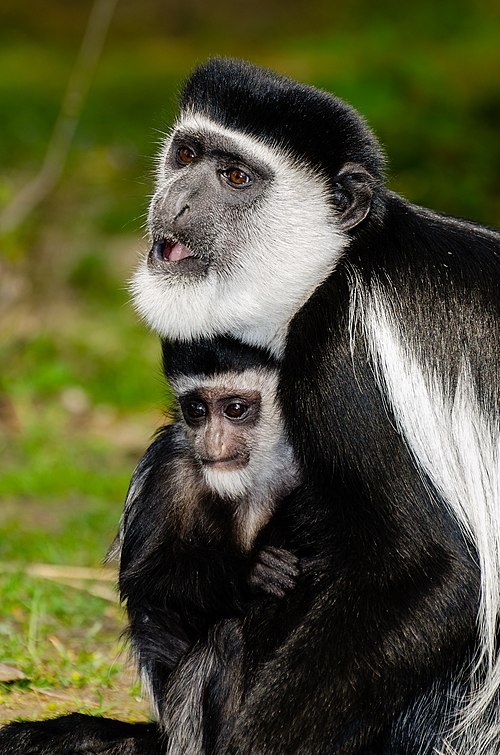
Mantled Guereza
Colobus guereza

Olive Baboon
Papio anubis

Ethiopian Highland Hare
Lepus starcki

Northern Bushbuck
Tragelaphus scriptus

Blick's Grass Rat
Arvicanthis blicki

Bush Duiker
Sylvicapra grimmia

Rock Hyrax
Procavia capensis

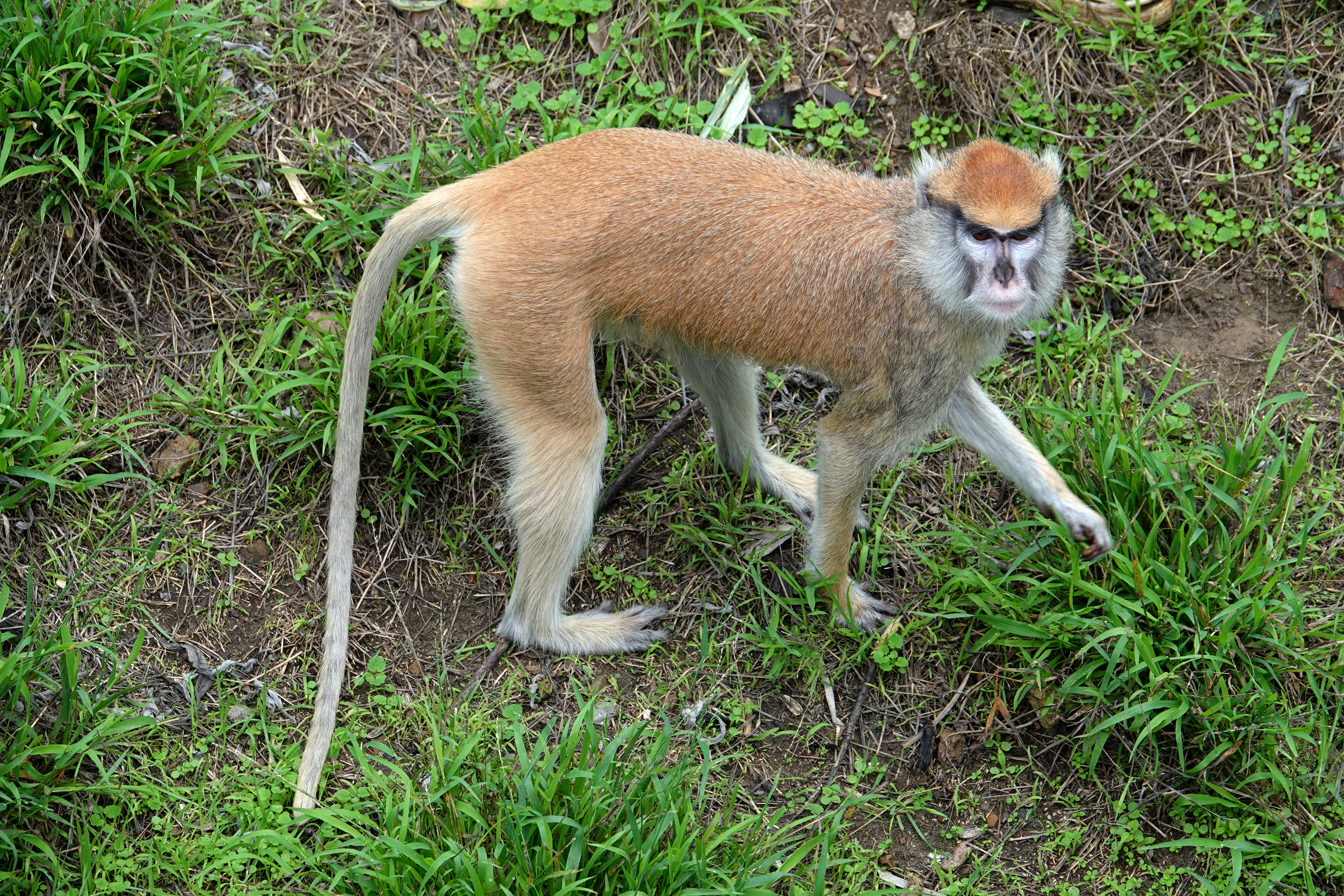
Bale Monkey
Chlorocebus djamdjamensis

Black-clawed Brush-furred Rat
Lophuromys melanonyx
⭐ Iconic Species
📊 Most Spotted
Abyssinian Thrush
Turdus abyssinicus
Streaky Seedeater
Crithagra striolata
Wattled Ibis
Bostrychia carunculata
Moorland Chat
Pinarochroa sordida
Augur Buzzard
Buteo augur
Tacazze Sunbird
Nectarinia tacazze
Baglafecht Weaver
Ploceus baglafecht
Chestnut-naped Spurfowl
Pternistis castaneicollis
Dusky Turtle Dove
Streptopelia lugens

Abyssinian Siskin
Serinus nigriceps

White-collared Pigeon
Columba albitorques

Abyssinian Catbird
Parophasma galinieri
📊 Most Spotted


_Figure_17.jpg)
Animal Events
Ethiopian Wolf Sightings
The Ethiopian Wolf, the rarest canid in Africa, is frequently observed in the Sanetti Plateau during dawn and dusk, often hunting rodents or resting in Afroalpine meadows.
Mountain Nyala Migration
Mountain Nyalas descend from the high-altitude moorlands to lower grasslands and forests, particularly around the Harenna Forest, creating spectacular seasonal movements.
Bale Monkey Foraging
The endemic Bale Monkey, found only in the Bale Mountains, is observed foraging in bamboo and Hagenia forests, often in troops of up to 50 individuals.
Sighting Calendar
Chance of spotting each species, month by month
Sighting Zones
Warm areas are where all species together are recorded most, so they track where people go as much as where animals are. For one species, see the map on its own page.
Where Wildlife Score
How good is this park for seeing wildlife?Biodiversity
Very goodHow rich is the wildlife?
Sighting
Very goodHow likely to see animals?
Quick answers
What animals can you see in Bale Mountains National Park?
The most likely sightings are Abyssinian Thrush (seen by 80–90% of wildlife watchers), Ethiopian Wolf (seen by 80–90% of wildlife watchers), Streaky Seedeater (seen by 80–90% of wildlife watchers), Wattled Ibis (seen by 70–80% of wildlife watchers), Moorland Chat (seen by 70–80% of wildlife watchers) — among 996 recorded vertebrate species, based on citizen-science data from GBIF.
When is the best time to visit Bale Mountains National Park for wildlife?
July has the highest combined sighting rate for the park's top species in our month-by-month GBIF data. The full sighting calendar on this page shows each species' best months.
Can you see Ethiopian Wolf in Bale Mountains National Park?
Yes — about 83% of wildlife watchers report a Ethiopian Wolf sighting in Bale Mountains National Park, based on 47 days of visitor records from GBIF citizen-science data.
Can you see Mountain Nyala in Bale Mountains National Park?
Yes — about 73% of wildlife watchers report a Mountain Nyala sighting in Bale Mountains National Park, based on 30 days of visitor records from GBIF citizen-science data.
Can you see Blue-winged Goose in Bale Mountains National Park?
Yes — about 52% of wildlife watchers report a Blue-winged Goose sighting in Bale Mountains National Park, based on 85 days of visitor records from GBIF citizen-science data.