Cordillera Azul National Park
🇵🇪 Peru
🐸 Poison Frog Paradise in Cordillera AzulCordillera Azul National Park is a massive protected mountain forest in Peru, stretching across steep tropical ridges and dense jungle slopes. This remote wilderness separates the Amazon basin from the Andes, creating an isolated habitat of mist-shrouded peaks and deep river valleys where rare species thrive undisturbed by roads or towns.
-7.842° S 76.033° W
Wildlife
⭐ Iconic Species
 ★
★ Three-striped Poison Frog
Ameerega trivittata
 ★
★ Imitating Poison Frog
Ranitomeya imitator
 ★
★ Tropical House Gecko
Hemidactylus mabouia
 ★
★ Brown-throated Sloth
Bradypus variegatus
📊 Most Spotted

Tropical Kingbird
Tyrannus melancholicus

Smooth-billed Ani
Crotophaga ani

Black Vulture
Coragyps atratus

Blue-gray Tanager
Thraupis episcopus

Social Flycatcher
Myiozetetes similis

Palm Tanager
Thraupis palmarum

Turkey Vulture
Cathartes aura

Ruddy Ground-Dove
Columbina talpacoti

Summers' Poison Dart Frog
Ranitomeya summersi

Pleasing Poison Frog
Ameerega bassleri

Yellow-rumped Cacique
Cacicus cela

Eastern Cane Toad
Rhinella marina
⭐ Iconic Species
📊 Most Spotted

Proboscis Bat
Rhynchonycteris naso

Common Woolly Monkey
Lagothrix lagothricha

Marañón white-fronted capuchin
Cebus yuracus

Black Agouti
Dasyprocta fuliginosa

Pacarana
Dinomys branickii

Andean Saddle-back Tamarin
Leontocebus leucogenys

Rio Mayo Titi
Plecturocebus oenanthe

Illiger’s Saddle-back Tamarin
Leontocebus illigeri

Beddard's Olingo
Bassaricyon alleni

Colombian Red Howler Monkey
Alouatta seniculus

Collared Peccary
Pecari tajacu

Great Fruit-eating Bat
Artibeus lituratus
📊 Most Spotted
Tropical Kingbird
Tyrannus melancholicus
Smooth-billed Ani
Crotophaga ani
Black Vulture
Coragyps atratus
Blue-gray Tanager
Thraupis episcopus
Social Flycatcher
Myiozetetes similis
Palm Tanager
Thraupis palmarum
Turkey Vulture
Cathartes aura
Ruddy Ground-Dove
Columbina talpacoti
Yellow-rumped Cacique
Cacicus cela

Great Kiskadee
Pitangus sulphuratus

Squirrel Cuckoo
Piaya cayana

Magpie Tanager
Cissopis leverianus
⭐ Iconic Species
📊 Most Spotted

Barba Amarilla
Bothrops atrox

Trinidad Gecko
Gonatodes humeralis

Amazon Racerunner
Ameiva ameiva

Brown-eared Anole
Anolis fuscoauratus

Catesby's Snail-eater
Dipsas catesbyi

Red-tailed Boa
Boa constrictor

Amazon Bark Anole
Anolis ortonii

Common Monkey Lizard
Polychrus marmoratus

Southern Turnip-tailed Gecko
Thecadactylus solimoensis

Green Jararaca
Bothrops bilineatus

Forest Flame Snake
Oxyrhopus petolarius
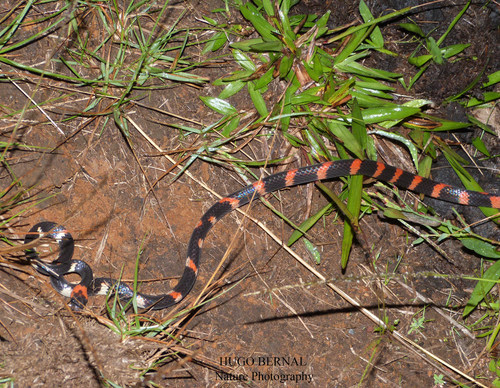
Werner's False Coral Snake
Oxyrhopus leucomelas
⭐ Iconic Species
📊 Most Spotted
Summers' Poison Dart Frog
Ranitomeya summersi
Pleasing Poison Frog
Ameerega bassleri
Eastern Cane Toad
Rhinella marina

Phyllomedusa chaparroi
Phyllomedusa chaparroi

Los Tayos Rocket Frog
Hyloxalus nexipus

Zimmermann's Poison Frog
Ranitomeya variabilis

Cainarachi Poison Frog
Ameerega cainarachi

Peru white-lipped frog
Leptodactylus rhodonotus

Tarapoto Poison Frog
Ameerega altamazonica

Red-skirted Tree Frog
Dendropsophus rhodopeplus

Río Huallaga Stubfoot Toad
Atelopus pulcher

South American Common Toad
Rhinella margaritifera
Animal Events
Dry Season Reptile Activity
During the drier months, reptiles such as the Tropical House Gecko become notably active as they seek out concentrated insect prey along sunlit forest edges and rocky outcrops.
Primate Foraging Peak
Mid-year forest conditions prompt increased movement among canopy-dwelling mammals, with the Marañón white-fronted capuchin actively foraging through fruiting trees in social groups.
Poison Frog Breeding Surge
Early seasonal rains trigger intense calling and territorial behaviors among leaf-litter amphibians, notably the Three-striped Poison Frog.
Sighting Calendar
Chance of spotting each species, month by month
Sighting Zones
Warm areas are where all species together are recorded most, so they track where people go as much as where animals are. For one species, see the map on its own page.
Where Wildlife Score
How good is this park for seeing wildlife?Biodiversity
ExcellentHow rich is the wildlife?
Sighting
GoodHow likely to see animals?
Quick answers
What animals can you see in Cordillera Azul National Park?
The most likely sightings are Three-striped Poison Frog (seen by 50–60% of wildlife watchers), Tropical Kingbird (seen by 50–60% of wildlife watchers), Smooth-billed Ani (seen by 50–60% of wildlife watchers), Black Vulture (seen by 50–60% of wildlife watchers), Blue-gray Tanager (seen by 40–50% of wildlife watchers) — among 1704 recorded vertebrate species, based on citizen-science data from GBIF.
When is the best time to visit Cordillera Azul National Park for wildlife?
January has the highest combined sighting rate for the park's top species in our month-by-month GBIF data. The full sighting calendar on this page shows each species' best months.
Can you see Three-striped Poison Frog in Cordillera Azul National Park?
Yes — about 59% of wildlife watchers report a Three-striped Poison Frog sighting in Cordillera Azul National Park, based on 57 days of visitor records from GBIF citizen-science data.
Can you see Imitating Poison Frog in Cordillera Azul National Park?
Yes — about 46% of wildlife watchers report a Imitating Poison Frog sighting in Cordillera Azul National Park, based on 34 days of visitor records from GBIF citizen-science data.
Can you see Tropical House Gecko in Cordillera Azul National Park?
Yes — about 37% of wildlife watchers report a Tropical House Gecko sighting in Cordillera Azul National Park, based on 23 days of visitor records from GBIF citizen-science data.
Can you see Brown-throated Sloth in Cordillera Azul National Park?
Yes — about 18% of wildlife watchers report a Brown-throated Sloth sighting in Cordillera Azul National Park, based on 14 days of visitor records from GBIF citizen-science data.
.jpg?width=1920)


