Fertő-Hanság National Park
🇭🇺 Hungary
🐦 Great Egret Marsh SpectacleFertő-Hanság National Park lies in north‑western Hungary, bordering Lake Fertő and a network of shallow wetlands framed by temperate forest and low, sandy dunes. Walking trails wind through reed‑filled marshes, mixed woodlands and open meadow patches, offering a varied mosaic of habitats.
47.656° N 17.150° E
Wildlife
⭐ Iconic Species
 ★
★ Black-winged Stilt
Himantopus himantopus
 ★
★ Great Egret
Ardea alba
 ★
★ European Pond Turtle
Emys orbicularis
📊 Most Spotted

Greylag Goose
Anser anser

Common Kestrel
Falco tinnunculus

Western Marsh-Harrier
Circus aeruginosus

Northern Lapwing
Vanellus vanellus

European Starling
Sturnus vulgaris
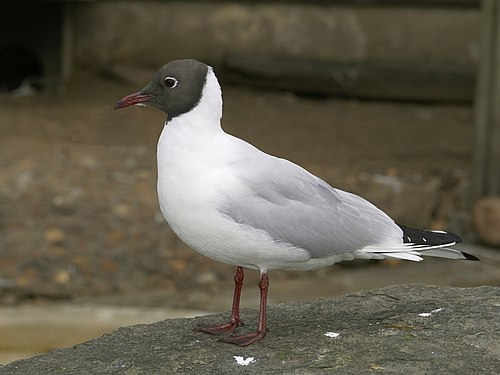
Black-headed Gull
Chroicocephalus ridibundus

Mallard
Anas platyrhynchos

Ring-necked Pheasant
Phasianus colchicus

White Wagtail
Motacilla alba

Common Shelduck
Tadorna tadorna

European Tree Frog
Hyla arborea

Hooded Crow
Corvus cornix
📊 Most Spotted

Brown Hare
Lepus europaeus

Western Roe Deer
Capreolus capreolus

European Ground Squirrel
Spermophilus citellus
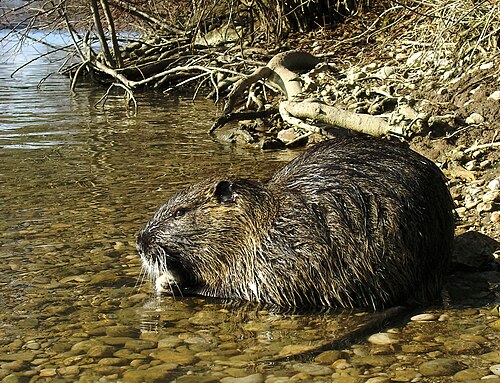
Coypu
Myocastor coypus

European Rabbit
Oryctolagus cuniculus

Wild Boar
Sus scrofa
European Mole
Talpa europaea

Eurasian Beaver
Castor fiber

Elk
Cervus elaphus
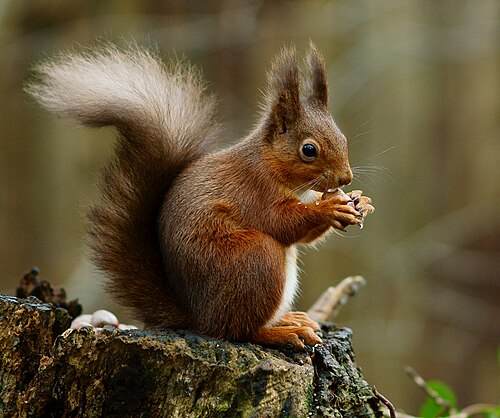
Eurasian Red Squirrel
Sciurus vulgaris

Northern White-breasted Hedgehog
Erinaceus roumanicus

Red Fox
Vulpes vulpes
⭐ Iconic Species
📊 Most Spotted
Greylag Goose
Anser anser
Common Kestrel
Falco tinnunculus
Western Marsh-Harrier
Circus aeruginosus
Northern Lapwing
Vanellus vanellus
European Starling
Sturnus vulgaris
Black-headed Gull
Chroicocephalus ridibundus
Mallard
Anas platyrhynchos
Ring-necked Pheasant
Phasianus colchicus
White Wagtail
Motacilla alba
Common Shelduck
Tadorna tadorna
Hooded Crow
Corvus cornix

Barn Swallow
Hirundo rustica
⭐ Iconic Species
📊 Most Spotted

grass snake
Natrix natrix

Sand Lizard
Lacerta agilis

Aesculapian Snake
Zamenis longissimus

Green Lizard
Lacerta viridis

Slow Worm
Anguis fragilis

Smooth Snake
Coronella austriaca

Pond Slider
Trachemys scripta

Common Wall Lizard
Podarcis muralis

Viviparous Lizard
Zootoca vivipara
📊 Most Spotted
European Tree Frog
Hyla arborea

Green Toad
Bufotes viridis

European Fire-Bellied Toad
Bombina bombina

Common Spadefoot
Pelobates fuscus

European Toad
Bufo bufo

Agile Frog
Rana dalmatina
Fire Salamander
Salamandra salamandra

Smooth Newt
Lissotriton vulgaris

Danube Crested Newt
Triturus dobrogicus

Italian Crested Newt
Triturus carnifex

Marsh Frog
Pelophylax ridibundus

Yellow-bellied Toad
Bombina variegata
Animal Events
Amphibian Chorus of European Tree Frogs
European Tree Frogs gather in dense choruses around Fertő’s reed-fringed pools, producing a loud, melodic chorus that fills the evenings—a hallmark of the park’s wetland soundscape.
Spring Marsh-Harrier & Lapwing Displays
Western Marsh-Harriers perform aerial courtship displays over the reed beds, while Northern Lapwings engage in dramatic flight displays to defend territories.
Heron & Egret Feeding Frenzy
Great Egrets and Grey Herons gather in large numbers to hunt fish and amphibians in the shallow Fertő Lake waters, creating a spectacular feeding frenzy visible from hides.

Sighting Calendar
Chance of spotting each species, month by month
Sighting Zones
Warm areas are where all species together are recorded most, so they track where people go as much as where animals are. For one species, see the map on its own page.
Where Wildlife Score
How good is this park for seeing wildlife?Biodiversity
GoodHow rich is the wildlife?
Sighting
Very goodHow likely to see animals?
Quick answers
What animals can you see in Fertő-Hanság National Park?
The most likely sightings are Greylag Goose (seen by 80–90% of wildlife watchers), Common Kestrel (seen by 70–80% of wildlife watchers), Western Marsh-Harrier (seen by 70–80% of wildlife watchers), Northern Lapwing (seen by 70–80% of wildlife watchers), European Starling (seen by 70–80% of wildlife watchers) — among 528 recorded vertebrate species, based on citizen-science data from GBIF.
When is the best time to visit Fertő-Hanság National Park for wildlife?
April has the highest combined sighting rate for the park's top species in our month-by-month GBIF data. The full sighting calendar on this page shows each species' best months.
Can you see Black-winged Stilt in Fertő-Hanság National Park?
Yes — about 58% of wildlife watchers report a Black-winged Stilt sighting in Fertő-Hanság National Park, based on 976 days of visitor records from GBIF citizen-science data.
Can you see Great Egret in Fertő-Hanság National Park?
Yes — about 63% of wildlife watchers report a Great Egret sighting in Fertő-Hanság National Park, based on 1,050 days of visitor records from GBIF citizen-science data.
Can you see European Pond Turtle in Fertő-Hanság National Park?
It's possible but not guaranteed: about 10% of wildlife watchers report a European Pond Turtle sighting in Fertő-Hanság National Park, based on 37 days of visitor records from GBIF citizen-science data. Sightings take luck and time in the field.


_on_hemp-agrimony_(Eupatorium_cannabinum).jpg?width=1920)