Glacier National Park
🇺🇸 United States
🐐 Mountain Goats at Logan PassGlacier National Park sits in the northern Rocky Mountains of the United States, a mosaic of rugged peaks, glacial valleys and dense temperate conifer forest. Alpine meadows give way to spruce‑filled slopes, and the park is renowned for its mountain goats and bighorn sheep that navigate steep ridges.
48.742° N 113.785° W
Wildlife
⭐ Iconic Species
 ★
★ Mountain Goat
Oreamnos americanus
 ★
★ Brown Bear
Ursus arctos
 ★
★ Bighorn Sheep
Ovis canadensis
 ★
★ Elk
Alces alces
📊 Most Spotted

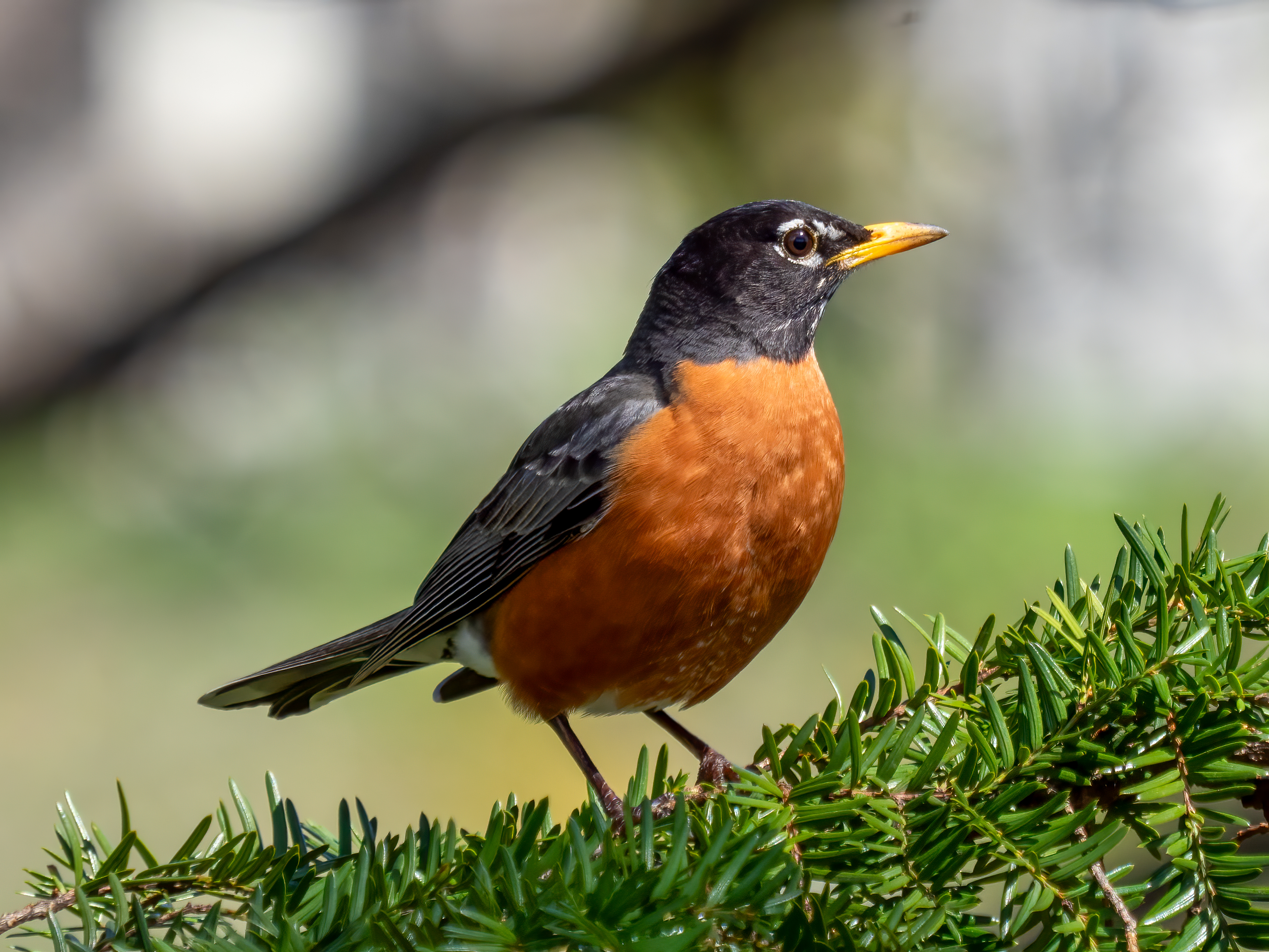
American Robin
Turdus migratorius

Columbian Ground Squirrel
Urocitellus columbianus

Red-breasted Nuthatch
Sitta canadensis

Hoary Marmot
Marmota caligata
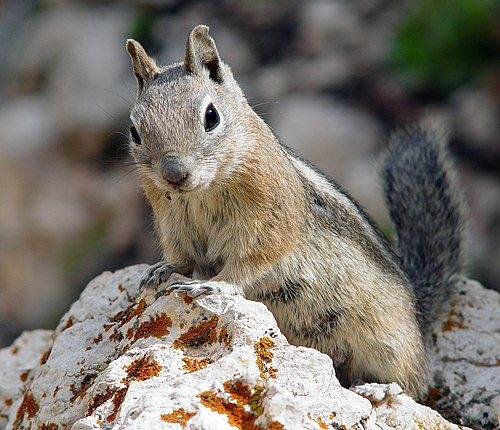
Golden-mantled Ground Squirrel
Callospermophilus lateralis

Black-capped Chickadee
Poecile atricapillus

Mule Deer
Odocoileus hemionus

Northern Flicker
Colaptes auratus

American Black Bear
Ursus americanus

White-tailed Deer
Odocoileus virginianus

Dark-eyed Junco
Junco hyemalis

Mountain Chickadee
Poecile gambeli
⭐ Iconic Species
★ Mountain Goat
Oreamnos americanus
★ Brown Bear
Ursus arctos
★ Bighorn Sheep
Ovis canadensis
★ Elk
Alces alces
📊 Most Spotted
Columbian Ground Squirrel
Urocitellus columbianus
Hoary Marmot
Marmota caligata
Golden-mantled Ground Squirrel
Callospermophilus lateralis
Mule Deer
Odocoileus hemionus
American Black Bear
Ursus americanus
White-tailed Deer
Odocoileus virginianus

American Red Squirrel
Tamiasciurus hudsonicus

Red Fox
Vulpes vulpes

Snowshoe Hare
Lepus americanus

American Pika
Ochotona princeps
Moose
Alces americanus

American Beaver
Castor canadensis
📊 Most Spotted
American Robin
Turdus migratorius
Red-breasted Nuthatch
Sitta canadensis
Black-capped Chickadee
Poecile atricapillus
Northern Flicker
Colaptes auratus
Dark-eyed Junco
Junco hyemalis
Mountain Chickadee
Poecile gambeli

Common Raven
Corvus corax

Yellow-rumped Warbler
Setophaga coronata

Pine Siskin
Spinus pinus

Chipping Sparrow
Spizella passerina

Cedar Waxwing
Bombycilla cedrorum

Swainson's Thrush
Catharus ustulatus


Animal Events
Mountain Goat Salt Lick Gathering
Mountain goats descend to the mineral-laden cliffs at Goat Lick on the Middle Fork Flathead River to lick clay and replenish minerals lost over winter; peak visitation runs through summer.
Bear Berry-Feeding Season
Grizzly and black bears feed intensively on ripening huckleberries in , moving into open berry slopes where they are most visible.
Alpine Meadow Congregation
As the high country melts out, bighorn sheep and hoary marmots congregate in the alpine meadows around Logan Pass, grazing and basking through the short subalpine summer.
Sighting Calendar
Chance of spotting each species, month by month
Sighting Zones
Warm areas are where all species together are recorded most, so they track where people go as much as where animals are. For one species, see the map on its own page.
Where Wildlife Score
How good is this park for seeing wildlife?Biodiversity
GoodHow rich is the wildlife?
Sighting
GoodHow likely to see animals?
Quick answers
What animals can you see in Glacier National Park?
The most likely sightings are American Robin (seen by 70–80% of wildlife watchers), Columbian Ground Squirrel (seen by 60–70% of wildlife watchers), Mountain Goat (seen by 60–70% of wildlife watchers), Bighorn Sheep (seen by 60–70% of wildlife watchers), Red-breasted Nuthatch (seen by 50–60% of wildlife watchers) — among 500 recorded vertebrate species, based on citizen-science data from GBIF.
When is the best time to visit Glacier National Park for wildlife?
July has the highest combined sighting rate for the park's top species in our month-by-month GBIF data. The full sighting calendar on this page shows each species' best months.
Can you see Mountain Goat in Glacier National Park?
Yes — about 69% of wildlife watchers report a Mountain Goat sighting in Glacier National Park, based on 686 days of visitor records from GBIF citizen-science data.
Can you see Brown Bear in Glacier National Park?
Yes — about 45% of wildlife watchers report a Brown Bear sighting in Glacier National Park, based on 270 days of visitor records from GBIF citizen-science data.
Can you see Bighorn Sheep in Glacier National Park?
Yes — about 68% of wildlife watchers report a Bighorn Sheep sighting in Glacier National Park, based on 670 days of visitor records from GBIF citizen-science data.
Can you see Elk in Glacier National Park?
Yes — about 47% of wildlife watchers report a Elk sighting in Glacier National Park, based on 284 days of visitor records from GBIF citizen-science data.