Gorongosa National Park
🇲🇿 Mozambique
🐕 Painted Hunting Dogs Return to GorongosaGorongosa National Park occupies a sprawling tropical savanna landscape in Mozambique, where seasonal floodplains meet dense woodlands and acacia flats. This protected basin supports a complex mosaic of habitats that differs from standard dry-land reserves through its massive permanent water systems and rich alluvial soils.
-18.770° S 34.448° E
Wildlife
⭐ Iconic Species
 ★
★ Lion
Panthera leo
 ★
★ African Bush Elephant
Loxodonta africana
 ★
★ Painted Hunting Dog
Lycaon pictus
 ★
★ Waterbuck
Kobus ellipsiprymnus
📊 Most Spotted

Common Bulbul
Pycnonotus barbatus

Fork-tailed Drongo
Dicrurus adsimilis

Black-backed Puffback
Dryoscopus cubla

Impala
Aepyceros melampus

Emerald-spotted Wood-Dove
Turtur chalcospilos

Common Warthog
Phacochoerus africanus

Cape Turtle Dove
Streptopelia capicola

Grey Foam-nest Treefrog
Chiromantis xerampelina

Chacma Baboon
Papio ursinus

Black-headed Oriole
Oriolus larvatus

Hadada
Bostrychia hagedash

Greater Kudu
Tragelaphus strepsiceros
⭐ Iconic Species
★ Lion
Panthera leo
★ African Bush Elephant
Loxodonta africana
★ Painted Hunting Dog
Lycaon pictus
★ Waterbuck
Kobus ellipsiprymnus
📊 Most Spotted
Impala
Aepyceros melampus
Common Warthog
Phacochoerus africanus
Chacma Baboon
Papio ursinus
Greater Kudu
Tragelaphus strepsiceros

Nyala
Tragelaphus angasii

Vervet Monkey
Chlorocebus pygerythrus
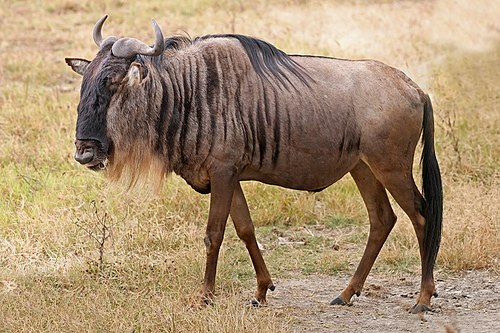
Blue Wildebeest
Connochaetes taurinus

Common Hippopotamus
Hippopotamus amphibius

Temminck's Ground Pangolin
Manis temminckii

Bushpig
Potamochoerus larvatus

Hartebeest
Alcelaphus buselaphus

Northern Bushbuck
Tragelaphus scriptus
📊 Most Spotted
Common Bulbul
Pycnonotus barbatus
Fork-tailed Drongo
Dicrurus adsimilis
Black-backed Puffback
Dryoscopus cubla
Emerald-spotted Wood-Dove
Turtur chalcospilos
Cape Turtle Dove
Streptopelia capicola
Black-headed Oriole
Oriolus larvatus
Hadada
Bostrychia hagedash

Blue-breasted Cordonbleu
Uraeginthus angolensis

Egyptian Goose
Alopochen aegyptiaca

Red-necked Francolin
Pternistis afer

Red-eyed Dove
Streptopelia semitorquata

White-backed Vulture
Gyps africanus
📊 Most Spotted

Nile Crocodile
Crocodylus niloticus

Nile Monitor
Varanus niloticus

Cape Dwarf Gecko
Lygodactylus capensis

African Striped Skink
Trachylepis striata

Tropical House Gecko
Hemidactylus mabouia

Flap-necked Chameleon
Chamaeleo dilepis

Zambezi Soft-shelled Turtle
Cycloderma frenatum
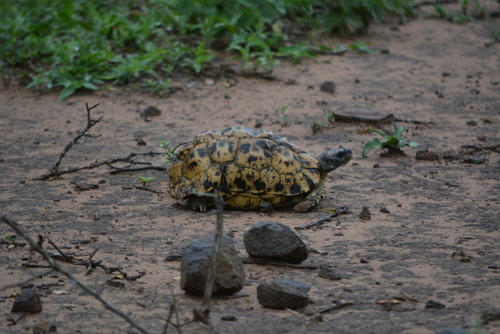
Eastern Hinged-Back Tortoise
Kinixys zombensis

Variable Skink
Trachylepis varia

Eastern Twig Snake
Thelotornis mossambicanus

Cape Wolf Snake
Lycophidion capense

Snouted Night Adder
Causus defilippii
📊 Most Spotted
Grey Foam-nest Treefrog
Chiromantis xerampelina

African Split-skin Toad
Schismaderma carens

Painted Reed Frog
Hyperolius marmoratus

Red-Banded Rubber Frog
Phrynomantis bifasciatus

Common Squeaker
Arthroleptis stenodactylus

Water Lily Reed Frog
Hyperolius pusillus

Fornasini's Spiny Reed Frog
Afrixalus fornasini

Senegal Kassina
Kassina senegalensis
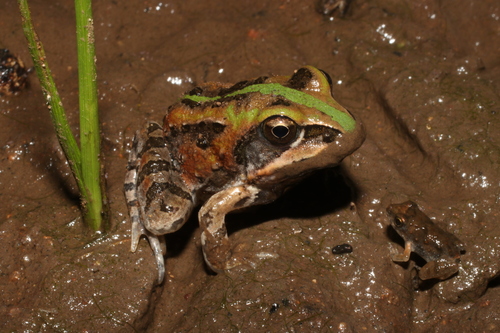
Ornate frog
Hildebrandtia ornata

Snoring Leaf-folding Frog
Afrixalus crotalus

Dwarf Squeaker
Arthroleptis xenodactyloides

Chimanimani Stream Frog
Strongylopus rhodesianus
Animal Events
Dry Season Wildlife Concentration
As water sources recede, wildlife heavily congregates around permanent rivers and shrinking pools, offering exceptional game viewing opportunities.
Amphibian Breeding Chorus
The arrival of early seasonal rains triggers massive, vocal breeding events among specialized floodplain frogs and toads.
Peak Birdwatching Season
A diverse array of resident and migratory bird species takes advantage of changing seasonal food supplies, making avian diversity remarkably visible.

Sighting Calendar
Chance of spotting each species, month by month
Sighting Zones
Warm areas are where all species together are recorded most, so they track where people go as much as where animals are. For one species, see the map on its own page.
Where Wildlife Score
How good is this park for seeing wildlife?Biodiversity
GoodHow rich is the wildlife?
Sighting
ExcellentHow likely to see animals?
Quick answers
What animals can you see in Gorongosa National Park?
The most likely sightings are Common Bulbul (seen by 60–70% of wildlife watchers), Fork-tailed Drongo (seen by 50–60% of wildlife watchers), Black-backed Puffback (seen by 50–60% of wildlife watchers), Waterbuck (seen by 50–60% of wildlife watchers), Impala (seen by 40–50% of wildlife watchers) — among 984 recorded vertebrate species, based on citizen-science data from GBIF.
When is the best time to visit Gorongosa National Park for wildlife?
October has the highest combined sighting rate for the park's top species in our month-by-month GBIF data. The full sighting calendar on this page shows each species' best months.
Can you see Lion in Gorongosa National Park?
Yes — about 47% of wildlife watchers report a Lion sighting in Gorongosa National Park, based on 32 days of visitor records from GBIF citizen-science data.
Can you see African Bush Elephant in Gorongosa National Park?
Yes — about 39% of wildlife watchers report a African Bush Elephant sighting in Gorongosa National Park, based on 22 days of visitor records from GBIF citizen-science data.
Can you see Painted Hunting Dog in Gorongosa National Park?
Yes — about 40% of wildlife watchers report a Painted Hunting Dog sighting in Gorongosa National Park, based on 23 days of visitor records from GBIF citizen-science data.
Can you see Waterbuck in Gorongosa National Park?
Yes — about 50% of wildlife watchers report a Waterbuck sighting in Gorongosa National Park, based on 36 days of visitor records from GBIF citizen-science data.
Explore Other Parks
 📍 383 km 🐘 Untamed Wilderness for the African Bush Elephant
 Gonarezhou National Park
 📍 447 km 🐘 Elephant River Spectacles at Liwonde
 Liwonde National Park
 📍 584 km 🐆 Leopard Prowls Kruger’s Wild Savannah
 Kruger National Park
 📍 605 km 🐊 Nile Crocodiles Patrol Lower Zambezi