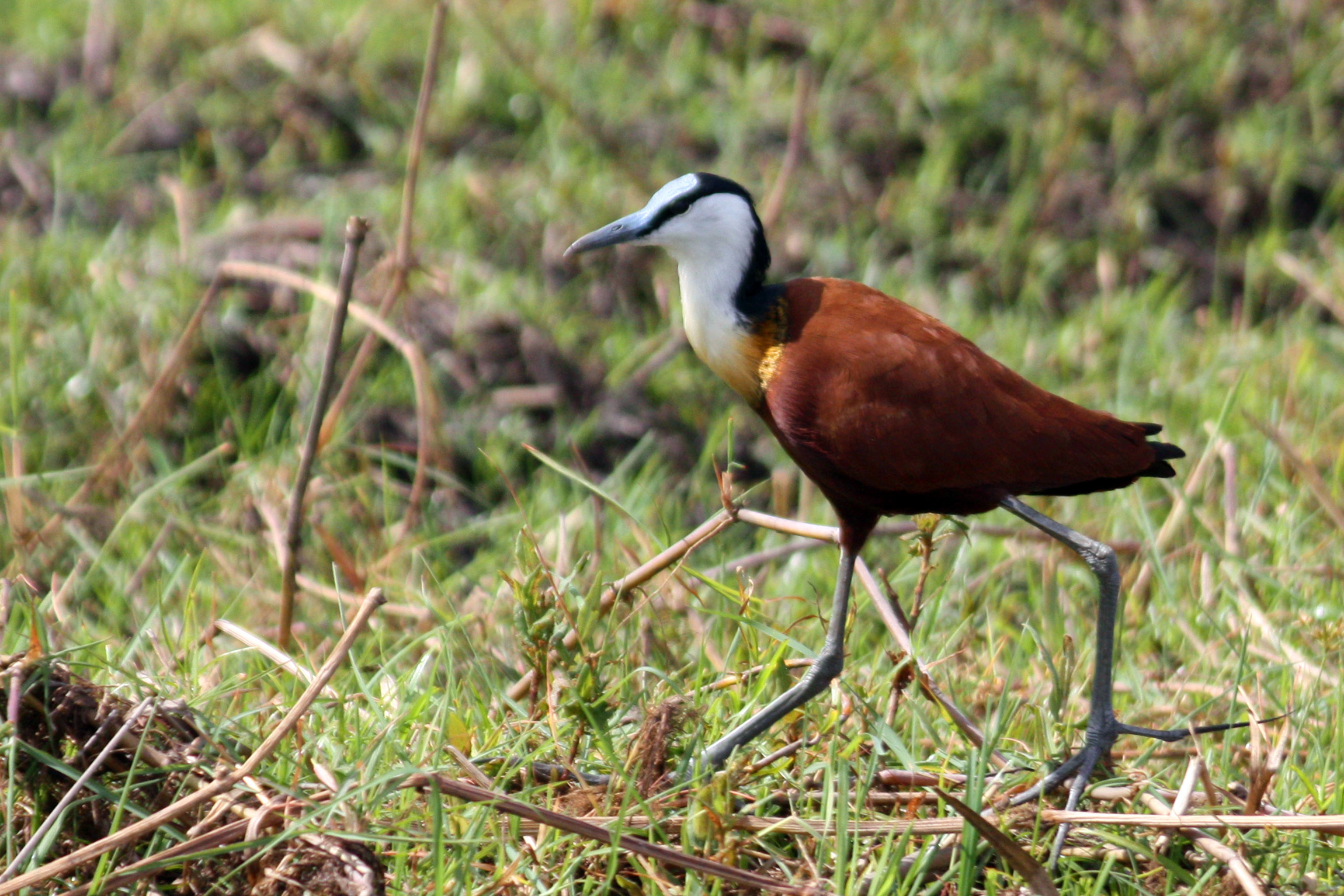
Hwange National Park
🇿🇼 Zimbabwe
🐘 Elephant Herds at Hwange's WaterholesHwange National Park sits in western Zimbabwe, spanning a vast tropical savanna of open grasslands, acacia scrub, and teak woodlands. This protected region differs from neighboring reserves through its reliance on pumped boreholes and artificial waterholes that sustain wildlife across wide, arid terrain.
-19.054° S 26.517° E
Wildlife
⭐ Iconic Species
 ★
★ African Bush Elephant
Loxodonta africana
 ★
★ Lion
Panthera leo
 ★
★ Painted Hunting Dog
Lycaon pictus
 ★
★ Sable Antelope
Hippotragus niger
📊 Most Spotted

Lilac-breasted Roller
Coracias caudatus

Cape Turtle Dove
Streptopelia capicola

Blacksmith Lapwing
Vanellus armatus

Fork-tailed Drongo
Dicrurus adsimilis

Egyptian Goose
Alopochen aegyptiaca

Southern Giraffe
Giraffa giraffa

White-browed Sparrow-Weaver
Plocepasser mahali

Plains Zebra
Equus quagga

Southern Yellow-billed Hornbill
Tockus leucomelas

Helmeted Guineafowl
Numida meleagris

Magpie Shrike
Urolestes melanoleucus

African Grey Hornbill
Lophoceros nasutus
⭐ Iconic Species
★ African Bush Elephant
Loxodonta africana
★ Lion
Panthera leo
★ Painted Hunting Dog
Lycaon pictus
★ Sable Antelope
Hippotragus niger
📊 Most Spotted
Southern Giraffe
Giraffa giraffa
Plains Zebra
Equus quagga

Greater Kudu
Tragelaphus strepsiceros

Impala
Aepyceros melampus

Chacma Baboon
Papio ursinus

Steenbok
Raphicerus campestris
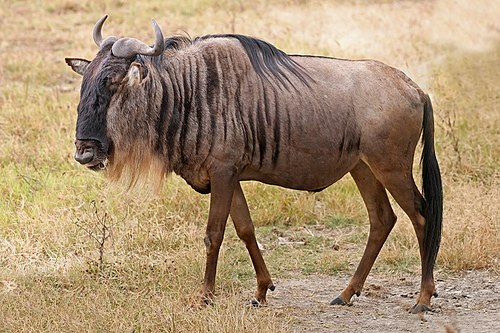
Blue Wildebeest
Connochaetes taurinus

Smith's Bush Squirrel
Paraxerus cepapi

Common Warthog
Phacochoerus africanus

Common Hippopotamus
Hippopotamus amphibius

Roan Antelope
Hippotragus equinus

African Buffalo
Syncerus caffer
📊 Most Spotted
Lilac-breasted Roller
Coracias caudatus
Cape Turtle Dove
Streptopelia capicola
Blacksmith Lapwing
Vanellus armatus
Fork-tailed Drongo
Dicrurus adsimilis
Egyptian Goose
Alopochen aegyptiaca
White-browed Sparrow-Weaver
Plocepasser mahali
Southern Yellow-billed Hornbill
Tockus leucomelas
Helmeted Guineafowl
Numida meleagris
Magpie Shrike
Urolestes melanoleucus
African Grey Hornbill
Lophoceros nasutus

Arrow-marked Babbler
Turdoides jardineii

Southern Red-billed Hornbill
Tockus rufirostris
📊 Most Spotted

Wahlberg’s Striped Skink
Trachylepis wahlbergii

Nile Crocodile
Crocodylus niloticus

Leopard Tortoise
Stigmochelys pardalis

Chobe Dwarf Gecko
Lygodactylus chobiensis

Rainbow Skink
Trachylepis margaritifera

Common Giant Plated Lizard
Matobosaurus validus

Nile Monitor
Varanus niloticus

Fischer's Thick-toed Gecko
Chondrodactylus laevigatus

Flap-necked Chameleon
Chamaeleo dilepis

Serrated Hinged Terrapin
Pelusios sinuatus

Tropical House Gecko
Hemidactylus mabouia

Southern Tree Agama
Acanthocercus atricollis
📊 Most Spotted

Grey Foam-nest Treefrog
Chiromantis xerampelina

Senegal Kassina
Kassina senegalensis

Shovel-nosed Frog
Hemisus marmoratus

Edible bullfrog
Pyxicephalus edulis

Garman's Toad
Sclerophrys garmani
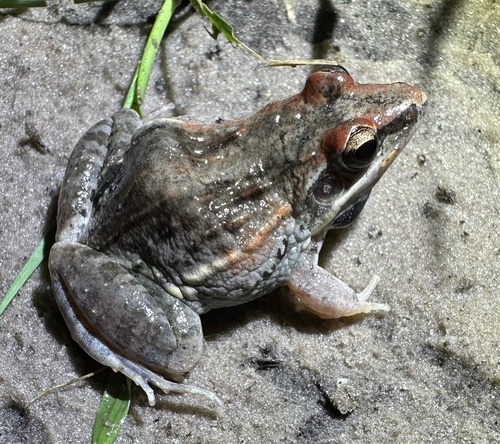
Mozambique ridged frog
Ptychadena mossambica
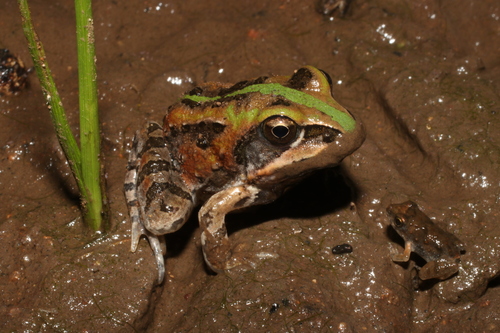
Ornate frog
Hildebrandtia ornata

Natal Puddle Frog
Phrynobatrachus natalensis

Margined Reed Frog
Hyperolius marginatus

Mababe puddle frog
Phrynobatrachus mababiensis

Knocking sand frog
Tomopterna krugerensis

African Split-skin Toad
Schismaderma carens
Animal Events
African Wild Dog Denning & Tracking
The dry winter months coincide with the wild dogs' denning period, making packs more localized and easier to track across the Kalahari sands.
Peak Dry Season Waterhole Gatherings
As natural water sources dry up, enormous concentrations of wildlife converge on artificial pumped waterholes, creating unparalleled game-viewing spectacles.
Intense Predator Activity at Dera Pans
The lush growth following early rains attracts various ungulates with newborn young, sharply elevating ambush predator activity in the bush.
Sighting Calendar
Chance of spotting each species, month by month
Sighting Zones
Warm areas are where all species together are recorded most, so they track where people go as much as where animals are. For one species, see the map on its own page.
Where Wildlife Score
How good is this park for seeing wildlife?Biodiversity
Very goodHow rich is the wildlife?
Sighting
ExcellentHow likely to see animals?
Quick answers
What animals can you see in Hwange National Park?
The most likely sightings are Lilac-breasted Roller (seen by 70–80% of wildlife watchers), African Bush Elephant (seen by 70–80% of wildlife watchers), Cape Turtle Dove (seen by 60–70% of wildlife watchers), Blacksmith Lapwing (seen by 60–70% of wildlife watchers), Fork-tailed Drongo (seen by 60–70% of wildlife watchers) — among 988 recorded vertebrate species, based on citizen-science data from GBIF.
When is the best time to visit Hwange National Park for wildlife?
July has the highest combined sighting rate for the park's top species in our month-by-month GBIF data. The full sighting calendar on this page shows each species' best months.
Can you see African Bush Elephant in Hwange National Park?
Yes — about 70% of wildlife watchers report a African Bush Elephant sighting in Hwange National Park, based on 99 days of visitor records from GBIF citizen-science data.
Can you see Lion in Hwange National Park?
Yes — about 52% of wildlife watchers report a Lion sighting in Hwange National Park, based on 48 days of visitor records from GBIF citizen-science data.
Can you see Painted Hunting Dog in Hwange National Park?
Yes — about 28% of wildlife watchers report a Painted Hunting Dog sighting in Hwange National Park, based on 16 days of visitor records from GBIF citizen-science data.
Can you see Sable Antelope in Hwange National Park?
Yes — about 37% of wildlife watchers report a Sable Antelope sighting in Hwange National Park, based on 25 days of visitor records from GBIF citizen-science data.