Jaragua National Park
🇩🇴 Dominican Republic
🦎 Rhinoceros Iguanas on the Dry CoastJaragua National Park lies on the southwest coast of the Dominican Republic, protecting a mosaic of tropical dry forest, mangrove fringes and shallow lagoons. The landscape opens onto sandy bays and limestone cliffs, and it is noted for the endemic rhinoceros iguana that basks on rocky outcrops.
17.628° N 71.572° W
Wildlife
⭐ Iconic Species
 ★
★ Rhinoceros Iguana
Cyclura cornuta
 ★
★ American Flamingo
Phoenicopterus ruber
 ★
★ Haitian Solenodon
Solenodon paradoxus
 ★
★ Ricord's Ground Iguana
Cyclura ricordi
📊 Most Spotted

Tricolored Heron
Egretta tricolor
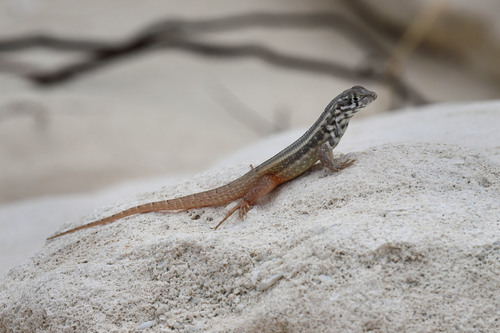
Barahona Curlytail Lizard
Leiocephalus barahonensis

Snowy Egret
Egretta thula

Royal Tern
Thalasseus maximus

Common Moorhen
Gallinula chloropus

Great Egret
Ardea alba

Yellow Warbler
Setophaga petechia

Greater Yellowlegs
Tringa melanoleuca

Blue-winged Teal
Spatula discors

Reddish Egret
Egretta rufescens

Lesser Yellowlegs
Tringa flavipes

Little Blue Heron
Egretta caerulea
⭐ Iconic Species
📊 Most Spotted

Waterhouse's Leaf-nosed Bat
Macrotus waterhousii
Cuvier's Hutia
Plagiodontia aedium

Mongoose
Herpestes javanicus
⭐ Iconic Species
📊 Most Spotted
Tricolored Heron
Egretta tricolor
Snowy Egret
Egretta thula
Royal Tern
Thalasseus maximus
Common Moorhen
Gallinula chloropus
Great Egret
Ardea alba
Yellow Warbler
Setophaga petechia
Greater Yellowlegs
Tringa melanoleuca
Blue-winged Teal
Spatula discors
Reddish Egret
Egretta rufescens
Lesser Yellowlegs
Tringa flavipes
Little Blue Heron
Egretta caerulea

Brown Pelican
Pelecanus occidentalis
⭐ Iconic Species
📊 Most Spotted
Barahona Curlytail Lizard
Leiocephalus barahonensis

Hispaniola Ameiva
Pholidoscelis chrysolaemus

Dwarf Teiid
Pholidoscelis lineolatus

Desert Gracile Anole
Anolis brevirostris

Bahoruco Long-snouted Anole
Anolis bahorucoensis
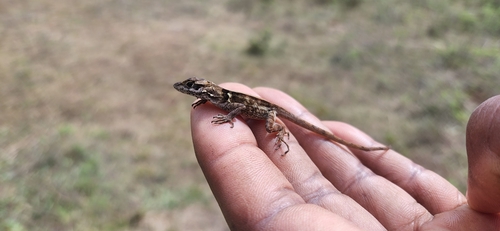
Strahm's Anole
Anolis strahmi
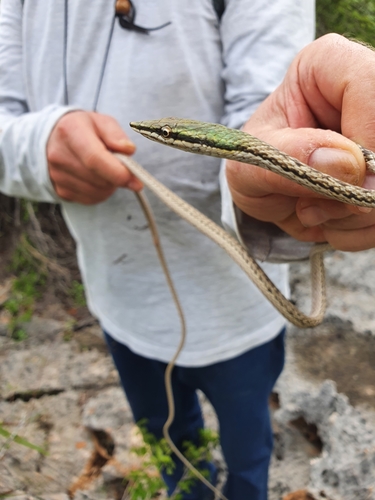
Island Pointed Snake
Uromacer frenatus
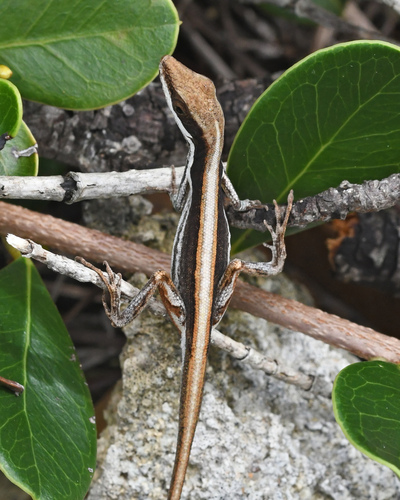
Barahona Anole
Anolis barahonae

Barahona Green Anole
Anolis viridius

Haitian Ameiva
Pholidoscelis taeniurus
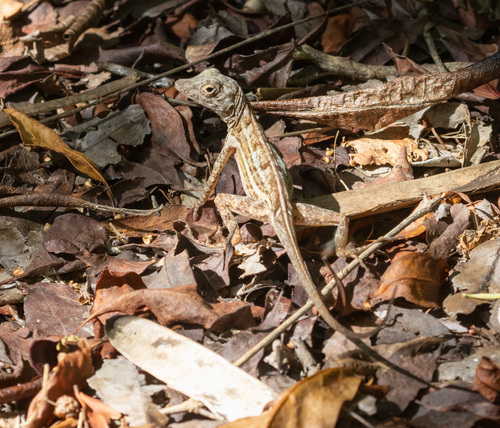
Isla Beata Anole
Anolis longitibialis
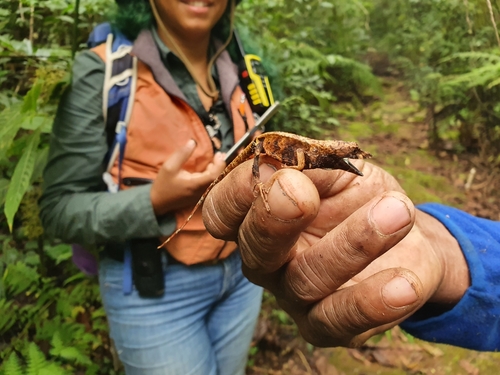
Hispaniolan hopping anole
Anolis barbouri
📊 Most Spotted

Eastern Cane Toad
Rhinella marina

Barahona Rock Frog
Eleutherodactylus alcoae

Hispaniolan Common Treefrog
Osteopilus dominicensis

Abbott's Robber Frog
Eleutherodactylus abbotti

La Selle Red-Legged Frog
Eleutherodactylus furcyensis

Hispaniolan yellow-mottled frog
Eleutherodactylus pictissimus

Spiny Giant Frog
Eleutherodactylus nortoni
Animal Events
Flamingo Congregation at Oviedo Lagoon
Large flocks of American Flamingos gather to feed on brine shrimp in the shallow hypersaline Oviedo Lagoon, the Dominican Republic's largest flamingo colony
Sea Turtle Nesting
Sea turtles nest on the park's protected beaches around Bahía de las Águilas during the season, with rangers monitoring and relocating threatened nests

Winter Waterbird Congregation
The Ramsar-listed Oviedo Lagoon wetlands concentrate wintering and resident waterbirds, including the threatened Reddish Egret and flocks of White Ibis

Sighting Calendar
Chance of spotting each species, month by month
Sighting Zones
Warm areas are where all species together are recorded most, so they track where people go as much as where animals are. For one species, see the map on its own page.
Where Wildlife Score
How good is this park for seeing wildlife?Biodiversity
GoodHow rich is the wildlife?
Sighting
GoodHow likely to see animals?
Quick answers
What animals can you see in Jaragua National Park?
The most likely sightings are Tricolored Heron (seen by 70–80% of wildlife watchers), Barahona Curlytail Lizard (seen by 60–70% of wildlife watchers), Rhinoceros Iguana (seen by 60–70% of wildlife watchers), Snowy Egret (seen by 60–70% of wildlife watchers), Royal Tern (seen by 60–70% of wildlife watchers) — among 438 recorded vertebrate species, based on citizen-science data from GBIF.
When is the best time to visit Jaragua National Park for wildlife?
December has the highest combined sighting rate for the park's top species in our month-by-month GBIF data. The full sighting calendar on this page shows each species' best months.
Can you see Rhinoceros Iguana in Jaragua National Park?
Yes — about 69% of wildlife watchers report a Rhinoceros Iguana sighting in Jaragua National Park, based on 37 days of visitor records from GBIF citizen-science data.
Can you see American Flamingo in Jaragua National Park?
Yes — about 35% of wildlife watchers report a American Flamingo sighting in Jaragua National Park, based on 67 days of visitor records from GBIF citizen-science data.
Can you see Haitian Solenodon in Jaragua National Park?
Yes — about 22% of wildlife watchers report a Haitian Solenodon sighting in Jaragua National Park, based on 4 days of visitor records from GBIF citizen-science data.
Can you see Ricord's Ground Iguana in Jaragua National Park?
It's possible but not guaranteed: about 14% of wildlife watchers report a Ricord's Ground Iguana sighting in Jaragua National Park, based on 2 days of visitor records from GBIF citizen-science data. Sightings take luck and time in the field.
Explore Other Parks
 📍 257 km 🦅 Ridgway's Hawks Above the Mangrove Cays
 Los Haitises National Park
_adult_male_2.jpg?width=1920) 📍 523 km 🐦 Streamertails in the Blue Mountain Mist
📍 523 km 🐦 Streamertails in the Blue Mountain Mist Blue and John Crow Mountains National Park
 📍 750 km 🦎 Green Iguana Paradise in Tayrona
 Tayrona National Natural Park
 📍 915 km 🦥 Sloth and Toucanet Cloud Forest