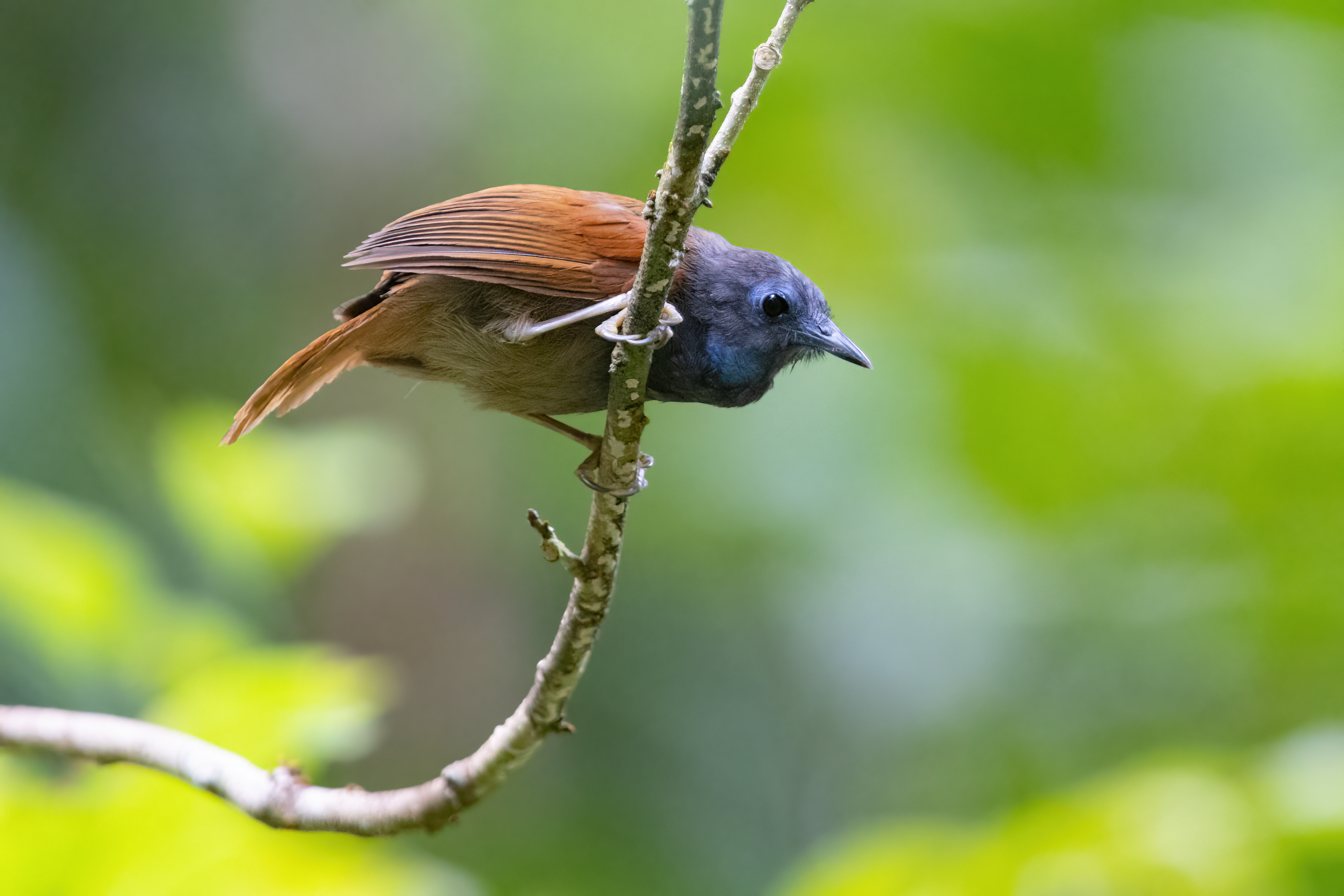
Kerinci Seblat National Park
🇮🇩 Indonesia
🐒 Sumatran Surili in Montane ForestKerinci Seblat is a massive protected tropical rainforest spanning the high Bukit Barisan mountain ridges of Sumatra, Indonesia. Visitors walk narrow dirt trails winding through dense, mist-draped jungle canopies, towering ancient trees, and tangled undergrowth. This reserve is famous for protecting the endangered Sumatran Surili and the loud, tree-dwelling Siamang, both endemic primates that swing through the high branches during morning hours.
-2.930° S 102.320° E
Wildlife
⭐ Iconic Species
 ★
★ Tiger
Panthera tigris
 ★
★ Sumatran Surili
Presbytis melalophos
 ★
★ Siamang
Symphalangus syndactylus
📊 Most Spotted

Black-browed Barbet
Psilopogon oorti

Grey-headed Canary-Flycatcher
Culicicapa ceylonensis

Fire-tufted Barbet
Psilopogon pyrolophus

Gray-throated Babbler
Stachyris nigriceps

Sumatran Trogon
Apalharpactes mackloti

Little Cuckoo-Dove
Macropygia ruficeps

Pearl-necked Dove
Spilopelia chinensis

White-throated Fantail
Rhipidura albicollis

Sumatran Treepie
Dendrocitta occipitalis

Plume-toed Swiftlet
Collocalia affinis

Ashy Drongo
Dicrurus leucophaeus

Shiny Whistling-Thrush
Myophonus melanurus
⭐ Iconic Species
★ Tiger
Panthera tigris
★ Sumatran Surili
Presbytis melalophos
★ Siamang
Symphalangus syndactylus
📊 Most Spotted
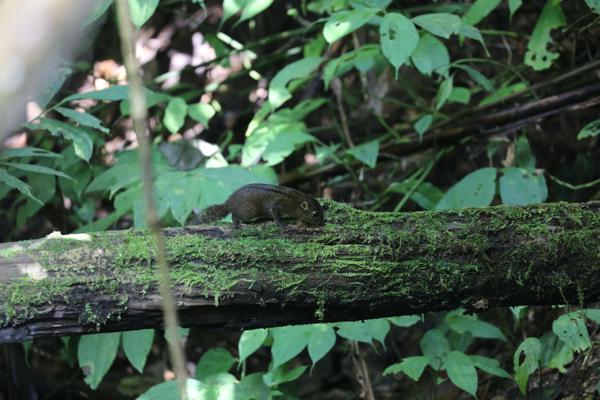
Niobe Ground Squirrel
Lariscus niobe

Southern Pig-tailed Macaque
Macaca nemestrina

Black-striped Squirrel
Callosciurus nigrovittatus

Sumatran Mountain Squirrel
Sundasciurus altitudinis
Three-striped Ground Squirrel
Lariscus insignis

Silvered Leaf Monkey
Trachypithecus cristatus

Black Giant Squirrel
Ratufa bicolor

Small-toothed Palm Civet
Arctogalidia trivirgata

Large Flying Fox
Pteropus vampyrus

Crab-eating Macaque
Macaca fascicularis

Plantain Squirrel
Callosciurus notatus

Sumatran Treeshrew
Tupaia ferruginea
📊 Most Spotted
Black-browed Barbet
Psilopogon oorti
Grey-headed Canary-Flycatcher
Culicicapa ceylonensis
Fire-tufted Barbet
Psilopogon pyrolophus
Gray-throated Babbler
Stachyris nigriceps
Sumatran Trogon
Apalharpactes mackloti
Little Cuckoo-Dove
Macropygia ruficeps
Pearl-necked Dove
Spilopelia chinensis
White-throated Fantail
Rhipidura albicollis
Sumatran Treepie
Dendrocitta occipitalis
Plume-toed Swiftlet
Collocalia affinis
Ashy Drongo
Dicrurus leucophaeus
Shiny Whistling-Thrush
Myophonus melanurus
📊 Most Spotted

Many-lined Sun-skink
Eutropis multifasciata

Spotted House Gecko
Gekko monarchus

Green Crested Lizard
Bronchocela cristatella

Common House Gecko
Hemidactylus frenatus

Kloss' Forest Dragon
Gonocephalus klossi

Flat-tailed House Gecko
Hemidactylus platyurus

Oriental Whipsnake
Ahaetulla prasina

Common Water Monitor
Varanus salvator

Oriental Long-tailed Grass Lizard
Takydromus sexlineatus

Black Copper Rat Snake
Coelognathus flavolineatus

Specklebelly Keelback
Rhabdophis chrysargos

Wagler's Pit Viper
Tropidolaemus wagleri
📊 Most Spotted

Common Indian Toad
Duttaphrynus melanostictus

North Sumatra White-lipped Frog
Chalcorana parvaccola

Common Tree Frog
Polypedates leucomystax

River Toad
Phrynoidis asper

Poisonous Rock Frog
Odorrana hosii

Alpine Cricket Frog
Fejervarya limnocharis

Rough-sided frog
Pulchrana glandulosa
_Figure_4_(cropped).jpg)
Nicobar Cricket Frog
Amnirana nicobariensis

Horned Toad
Megophrys nasuta

Green Paddy Frog
Hylarana erythraea

Brown-Striped Tree Frog
Polypedates macrotis

Brown Marsh Frog
Pulchrana baramica
Animal Events
Siamang Vocal Duets
Siamangs perform synchronized morning choruses at dawn, echoing through the dense canopy as part of territorial and social bonding rituals.
Sumatran Tiger Tracking Expeditions
Guided night patrols track tiger pugmarks and camera-trap images along riverbanks, coinciding with increased territorial scent-marking during dry season.
Sumatran Surili Foraging Trails
Guided dawn hikes follow troops of Sumatran Surili as they descend to fruiting fig trees, exhibiting seasonal shifts in diet and group movements.
Sighting Calendar
Chance of spotting each species, month by month
Sighting Zones
Warm areas are where all species together are recorded most, so they track where people go as much as where animals are. For one species, see the map on its own page.
Where Wildlife Score
How good is this park for seeing wildlife?Biodiversity
ExcellentHow rich is the wildlife?
Sighting
GoodHow likely to see animals?
Quick answers
What animals can you see in Kerinci Seblat National Park?
The most likely sightings are Black-browed Barbet (seen by 70–80% of wildlife watchers), Grey-headed Canary-Flycatcher (seen by 60–70% of wildlife watchers), Sumatran Surili (seen by 60–70% of wildlife watchers), Fire-tufted Barbet (seen by 60–70% of wildlife watchers), Gray-throated Babbler (seen by 60–70% of wildlife watchers) — among 1256 recorded vertebrate species, based on citizen-science data from GBIF.
When is the best time to visit Kerinci Seblat National Park for wildlife?
July has the highest combined sighting rate for the park's top species in our month-by-month GBIF data. The full sighting calendar on this page shows each species' best months.
Can you see Tiger in Kerinci Seblat National Park?
It's possible but not guaranteed: about 9% of wildlife watchers report a Tiger sighting in Kerinci Seblat National Park, based on 2 days of visitor records from GBIF citizen-science data. Sightings take luck and time in the field.
Can you see Sumatran Surili in Kerinci Seblat National Park?
Yes — about 65% of wildlife watchers report a Sumatran Surili sighting in Kerinci Seblat National Park, based on 64 days of visitor records from GBIF citizen-science data.
Can you see Siamang in Kerinci Seblat National Park?
Yes — about 43% of wildlife watchers report a Siamang sighting in Kerinci Seblat National Park, based on 27 days of visitor records from GBIF citizen-science data.