Kluane National Park
🇨🇦 Canada
🐻 Watch Brown Bears Roam CanadaKluane National Park is a massive mountain reserve in Canada's southwest Yukon, dominated by towering peaks, massive icefields, and sweeping alpine valleys. Hikers navigate rugged dirt trails winding through dense spruce forests and wide-open tundra slopes beneath the glaciers.
60.767° N 140.049° W
Wildlife
⭐ Iconic Species
 ★
★ Brown Bear
Ursus arctos
 ★
★ Dall Sheep
Ovis dalli
 ★
★ Gray Jay
Perisoreus canadensis
 ★
★ Northern Hawk Owl
Surnia ulula
📊 Most Spotted

Dark-eyed Junco
Junco hyemalis

Arctic Ground Squirrel
Urocitellus parryii

Common Raven
Corvus corax

Yellow-rumped Warbler
Setophaga coronata

American Robin
Turdus migratorius

Elk
Alces alces

Least Chipmunk
Tamias minimus

Boreal Chickadee
Poecile hudsonicus

American Red Squirrel
Tamiasciurus hudsonicus

Black-capped Chickadee
Poecile atricapillus

White-crowned Sparrow
Zonotrichia leucophrys

American Black Bear
Ursus americanus
⭐ Iconic Species
📊 Most Spotted
Arctic Ground Squirrel
Urocitellus parryii
Elk
Alces alces
Least Chipmunk
Tamias minimus
American Red Squirrel
Tamiasciurus hudsonicus
American Black Bear
Ursus americanus

Snowshoe Hare
Lepus americanus
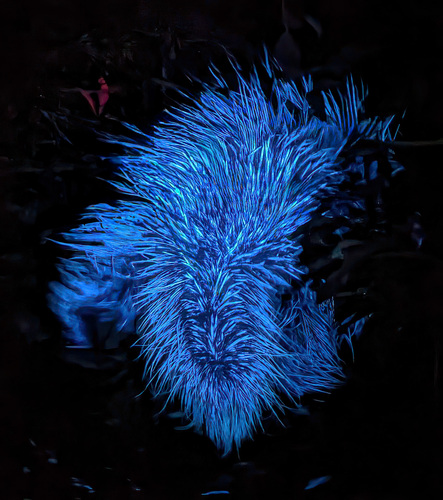
Quiller
Erethizon dorsatus

American Beaver
Castor canadensis

Coyote
Canis latrans

Canada Lynx
Lynx canadensis

Collared Pika
Ochotona collaris

Gray Wolf
Canis lupus
⭐ Iconic Species
📊 Most Spotted
Dark-eyed Junco
Junco hyemalis
Common Raven
Corvus corax
Yellow-rumped Warbler
Setophaga coronata
American Robin
Turdus migratorius
Boreal Chickadee
Poecile hudsonicus
Black-capped Chickadee
Poecile atricapillus
White-crowned Sparrow
Zonotrichia leucophrys

Black-billed Magpie
Pica hudsonia

Hairy Woodpecker
Leuconotopicus villosus

Mallard
Anas platyrhynchos

Northern Flicker
Colaptes auratus

Tree Swallow
Tachycineta bicolor
📊 Most Spotted

Animal Events
Fall Bear Viewing
As salmon runs peak, brown bears congregate along river corridors to feed, offering prime wildlife viewing.
Spring Sheep Rut
Male Dall sheep engage in dramatic head‑butting battles on high ridges during the breeding season.
Bird Migration Surge
Thousands of migratory songbirds pass through, filling the valleys with chorus and increasing sightings of warblers and sparrows.

Sighting Calendar
Chance of spotting each species, month by month
Sighting Zones
Warm areas are where all species together are recorded most, so they track where people go as much as where animals are. For one species, see the map on its own page.
Where Wildlife Score
How good is this park for seeing wildlife?Biodiversity
Very goodHow rich is the wildlife?
Sighting
GoodHow likely to see animals?
Quick answers
What animals can you see in Kluane National Park?
The most likely sightings are Dark-eyed Junco (seen by 70–80% of wildlife watchers), Arctic Ground Squirrel (seen by 60–70% of wildlife watchers), Common Raven (seen by 60–70% of wildlife watchers), Dall Sheep (seen by 60–70% of wildlife watchers), Gray Jay (seen by 60–70% of wildlife watchers) — among 380 recorded vertebrate species, based on citizen-science data from GBIF.
When is the best time to visit Kluane National Park for wildlife?
July has the highest combined sighting rate for the park's top species in our month-by-month GBIF data. The full sighting calendar on this page shows each species' best months.
Can you see Brown Bear in Kluane National Park?
Yes — about 59% of wildlife watchers report a Brown Bear sighting in Kluane National Park, based on 63 days of visitor records from GBIF citizen-science data.
Can you see Dall Sheep in Kluane National Park?
Yes — about 62% of wildlife watchers report a Dall Sheep sighting in Kluane National Park, based on 71 days of visitor records from GBIF citizen-science data.
Can you see Gray Jay in Kluane National Park?
Yes — about 60% of wildlife watchers report a Gray Jay sighting in Kluane National Park, based on 307 days of visitor records from GBIF citizen-science data.
Can you see Northern Hawk Owl in Kluane National Park?
Yes — about 31% of wildlife watchers report a Northern Hawk Owl sighting in Kluane National Park, based on 19 days of visitor records from GBIF citizen-science data.


