La Amistad International Park (Panama)
🇵🇦 Panama
🐸 Poison Dart Frog & Quetzal CloudforestLa Amistad International Park is a UNESCO World Heritage Site spanning the Talamanca mountain range across the Panama-Costa Rica border. The Panamanian sector protects 207,000 hectares of pristine cloud forest and páramo — one of the largest unbroken wilderness areas in Central America.
9.142° N 82.406° W
Wildlife
⭐ Iconic Species
 ★
★ Resplendent Quetzal
Pharomachrus mocinno
 ★
★ Three-wattled Bellbird
Procnias tricarunculatus
 ★
★ Brown-throated Sloth
Bradypus variegatus
 ★
★ Mantled Howler Monkey
Alouatta palliata
📊 Most Spotted

Black Vulture
Coragyps atratus

Rufous-tailed Hummingbird
Amazilia tzacatl

Clay-colored Thrush
Turdus grayi

Blue-gray Tanager
Thraupis episcopus

Turkey Vulture
Cathartes aura

Strawberry Poison-dart Frog
Oophaga pumilio

Tropical Kingbird
Tyrannus melancholicus

Southern House Wren
Troglodytes musculus

Great Kiskadee
Pitangus sulphuratus

Scarlet-rumped Tanager
Ramphocelus passerinii

Variable Seedeater
Sporophila corvina

Bananaquit
Coereba flaveola
⭐ Iconic Species
📊 Most Spotted

Hoffmann's Two-toed Sloth
Choloepus hoffmanni

Central American White-faced Capuchin
Cebus imitator

Red-tailed Squirrel
Sciurus granatensis

Variegated Squirrel
Sciurus variegatoides

White-nosed Coati
Nasua narica

Bottlenose Dolphin
Tursiops truncatus

Derby's Woolly Opossum
Caluromys derbianus

Central American Agouti
Dasyprocta punctata

Central American Spider Monkey
Ateles geoffroyi

Cacomistle
Bassariscus sumichrasti

Panamanian Night Monkey
Aotus zonalis

Jamaican Fruit-eating Bat
Artibeus jamaicensis
⭐ Iconic Species
★ Resplendent Quetzal
Pharomachrus mocinno
★ Three-wattled Bellbird
Procnias tricarunculatus
📊 Most Spotted
Black Vulture
Coragyps atratus
Rufous-tailed Hummingbird
Amazilia tzacatl
Clay-colored Thrush
Turdus grayi
Blue-gray Tanager
Thraupis episcopus
Turkey Vulture
Cathartes aura
Tropical Kingbird
Tyrannus melancholicus
Southern House Wren
Troglodytes musculus
Great Kiskadee
Pitangus sulphuratus
Scarlet-rumped Tanager
Ramphocelus passerinii
Variable Seedeater
Sporophila corvina
Bananaquit
Coereba flaveola

Great-tailed Grackle
Quiscalus mexicanus
📊 Most Spotted

Brown Basilisk
Basiliscus vittatus

Common Caiman
Caiman crocodilus

Green Iguana
Iguana iguana

Mourning Gecko
Lepidodactylus lugubris
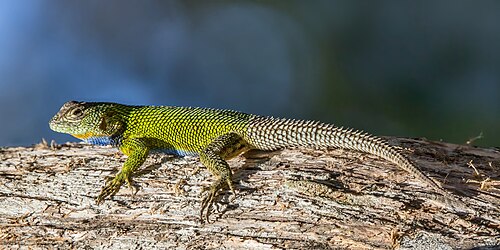
Emerald Swift
Sceloporus malachiticus

Border Anole
Anolis limifrons

White-throated Gecko
Gonatodes albogularis

Central American Boa
Boa imperator

Middle American Ameiva
Holcosus festivus

Neotropical Green Anole
Anolis biporcatus

Basiisk Verde
Basiliscus plumifrons

Fer-de-lance
Bothrops asper
📊 Most Spotted
Strawberry Poison-dart Frog
Oophaga pumilio

Giant Marine Toad
Rhinella horribilis

Green and Black Dart-poison Frog
Dendrobates auratus

Red-eyed Treefrog
Agalychnis callidryas

Savage's Thin-toed Frog
Leptodactylus savagei

Striped Rocket Frog
Allobates talamancae

Harlequin Treefrog
Dendropsophus ebraccatus

Masked Tree Frog
Smilisca phaeota

Green Climbing Toad
Incilius coniferus

Warszewitsch's Frog
Lithobates warszewitschii

Golden-groined Robber Frog
Pristimantis cruentus

Sipurio Snouted Treefrog
Scinax elaeochroa
Animal Events
Resplendent Quetzal Nesting Season
During breeding, the Resplendent Quetzal pairs excavate cavities in rotting cloud-forest trees, the emerald male trailing his shimmering meter-long tail streamers as he flashes into the nest hole to feed the chicks. It is the year's best window to spot this legendary bird against the misty canopy.
Three-wattled Bellbird Calling Season
In the breeding season, male Three-wattled Bellbirds claim high cloud-forest song perches and hurl out a metallic, ear-splitting BONK that carries across the valleys, the three worm-like wattles dangling from their beaks. Follow the ringing calls uphill and you can watch them duel for the best perch.
Rainy-season Frog Breeding Chorus
When the rains break, Red-eyed Treefrogs and Green-and-black Poison-dart Frogs erupt into an explosive breeding congregation, filling the humid nights with a pulsing chorus around forest pools. Scarlet-eyed treefrogs cling to dripping leaves while the tiny toxic dart frogs call from the wet leaf litter below.
Sighting Calendar
Chance of spotting each species, month by month
Sighting Zones
Warm areas are where all species together are recorded most, so they track where people go as much as where animals are. For one species, see the map on its own page.
Where Wildlife Score
How good is this park for seeing wildlife?Biodiversity
ExcellentHow rich is the wildlife?
Sighting
GoodHow likely to see animals?
Quick answers
What animals can you see in La Amistad International Park (Panama)?
The most likely sightings are Black Vulture (seen by 50–60% of wildlife watchers), Rufous-tailed Hummingbird (seen by 50–60% of wildlife watchers), Clay-colored Thrush (seen by 50–60% of wildlife watchers), Blue-gray Tanager (seen by 50–60% of wildlife watchers), Turkey Vulture (seen by 40–50% of wildlife watchers) — among 1664 recorded vertebrate species, based on citizen-science data from GBIF.
When is the best time to visit La Amistad International Park (Panama) for wildlife?
May has the highest combined sighting rate for the park's top species in our month-by-month GBIF data. The full sighting calendar on this page shows each species' best months.
Can you see Resplendent Quetzal in La Amistad International Park (Panama)?
It's possible but not guaranteed: about 11% of wildlife watchers report a Resplendent Quetzal sighting in La Amistad International Park (Panama), based on 1,242 days of visitor records from GBIF citizen-science data. Sightings take luck and time in the field.
Can you see Three-wattled Bellbird in La Amistad International Park (Panama)?
It's possible but not guaranteed: about 11% of wildlife watchers report a Three-wattled Bellbird sighting in La Amistad International Park (Panama), based on 1,191 days of visitor records from GBIF citizen-science data. Sightings take luck and time in the field.
Can you see Brown-throated Sloth in La Amistad International Park (Panama)?
Yes — about 31% of wildlife watchers report a Brown-throated Sloth sighting in La Amistad International Park (Panama), based on 245 days of visitor records from GBIF citizen-science data.
Can you see Mantled Howler Monkey in La Amistad International Park (Panama)?
Yes — about 23% of wildlife watchers report a Mantled Howler Monkey sighting in La Amistad International Park (Panama), based on 149 days of visitor records from GBIF citizen-science data.
Explore Other Parks
 📍 23 km 🐸 Strawberry Poison Dart Frogs Underfoot
 Bastimentos Island National Marine Park
 📍 40 km 🐦 Quetzals and Solitaires on Volcán Barú
 Volcán Barú National Park
 📍 59 km 🦥 Poison Dart Frog & Sloth Rainforest
 Gandoca-Manzanillo Wildlife Refuge
.jpg?width=1920) 📍 82 km 🦥 Poison Dart Frogs & Sloths
📍 82 km 🦥 Poison Dart Frogs & Sloths