Lago de Yojoa
🇭🇳 Honduras
🐦 Toucans Over the Lakeshore ForestLago de Yojoa is a tropical rainforest reserve in the Central Highlands of Honduras, surrounding a major natural lake. The park’s mosaic of lowland forest, coffee‑grown slopes and open wetlands creates a patchwork of canopy and water that supports a rich bird community.
14.857° N 88.014° W
Wildlife
⭐ Iconic Species
 ★
★ Snail Kite
Rostrhamus sociabilis
 ★
★ Montezuma Oropendola
Psarocolius montezuma
 ★
★ Keel-billed Toucan
Ramphastos sulfuratus
 ★
★ Resplendent Quetzal
Pharomachrus mocinno
📊 Most Spotted

Great-tailed Grackle
Quiscalus mexicanus

Great Egret
Ardea alba

Great Kiskadee
Pitangus sulphuratus

Black Vulture
Coragyps atratus

Golden-fronted Woodpecker
Melanerpes aurifrons

Melodious Blackbird
Dives dives

Northern Jacana
Jacana spinosa

Clay-colored Thrush
Turdus grayi

Brown Jay
Psilorhinus morio

Tropical Kingbird
Tyrannus melancholicus

Social Flycatcher
Myiozetetes similis

Common Moorhen
Gallinula chloropus
📊 Most Spotted

Variegated Squirrel
Sciurus variegatoides

Proboscis Bat
Rhynchonycteris naso

Common Opossum
Didelphis marsupialis

Central American Agouti
Dasyprocta punctata

Common Raccoon
Procyon lotor

Derby's Woolly Opossum
Caluromys derbianus

White-nosed Coati
Nasua narica

Common Hog-nosed Skunk
Conepatus leuconotus

Northern Silky Anteater
Cyclopes dorsalis

Virginia Opossum
Didelphis virginiana

Mexican Hairy Dwarf Porcupine
Sphiggurus mexicanus
⭐ Iconic Species
★ Snail Kite
Rostrhamus sociabilis
★ Montezuma Oropendola
Psarocolius montezuma
★ Keel-billed Toucan
Ramphastos sulfuratus
★ Resplendent Quetzal
Pharomachrus mocinno
📊 Most Spotted
Great-tailed Grackle
Quiscalus mexicanus
Great Egret
Ardea alba
Great Kiskadee
Pitangus sulphuratus
Black Vulture
Coragyps atratus
Golden-fronted Woodpecker
Melanerpes aurifrons
Melodious Blackbird
Dives dives
Northern Jacana
Jacana spinosa
Clay-colored Thrush
Turdus grayi
Brown Jay
Psilorhinus morio
Tropical Kingbird
Tyrannus melancholicus
Social Flycatcher
Myiozetetes similis
Common Moorhen
Gallinula chloropus
📊 Most Spotted

Brown Basilisk
Basiliscus vittatus

Green Iguana
Iguana iguana

Rose-bellied Lizard
Sceloporus variabilis

Ghost Anole
Anolis lemurinus

Central American Boa
Boa imperator

Moist Forest Anole
Anolis unilobatus

Mesoamerican Slider
Trachemys venusta

Gualaco Scaly Anole
Anolis mccraniei

False Fer-de-lance
Xenodon rabdocephalus
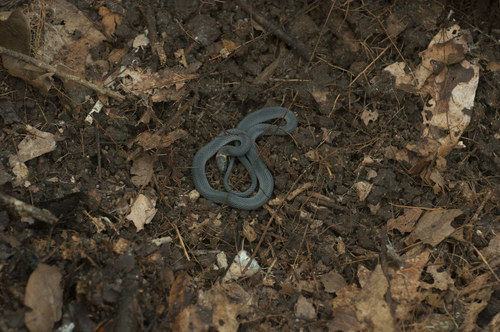
Ringneck Coffee Snake
Ninia diademata

Nombre de Dios anole
Anolis zeus

White-lipped Mud Turtle
Kinosternon leucostomum
📊 Most Spotted

Central American Gulf Coast Toad
Incilius valliceps

Mexican Smilisca
Smilisca baudinii

Highland Frog
Lithobates maculatus

Giant Marine Toad
Rhinella horribilis
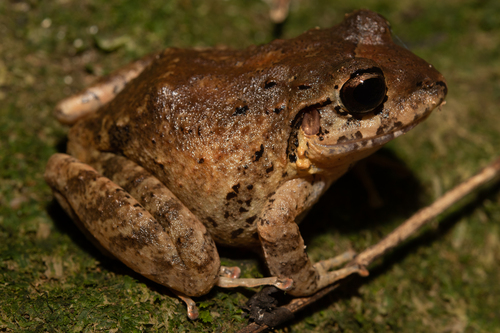
Chortis Streamside Frog
Craugastor laevissimus

Vaillant's Frog
Lithobates vaillanti

Mexican White-lipped Frog
Leptodactylus fragilis

Copan Stream Frog
Ptychohyla hypomykter

Narrow-footed Worm Salamander
Oedipina leptopoda

Yellow Treefrog
Dendropsophus microcephalus

Broad-headed rainfrog
Craugastor laticeps

Mexican Mushroomtongue Salamander
Bolitoglossa mexicana
Animal Events
Resplendent Quetzal Breeding Season
Quetzal breeding season in the cloud forests above the lake — the documented best window to see them
Snail Kite & Limpkin Snail Hunt
Snail Kites and Limpkins concentrate over the lake's marshes to feed on apple snails, best watched from rowboat trips through the marsh canals

Migratory Waterbird & Warbler Season
Enormous numbers of North American migrants — waterfowl on the lake and warblers in the surrounding forest — winter at Yojoa between and


Sighting Calendar
Chance of spotting each species, month by month
Sighting Zones
Warm areas are where all species together are recorded most, so they track where people go as much as where animals are. For one species, see the map on its own page.
Where Wildlife Score
How good is this park for seeing wildlife?Biodiversity
Very goodHow rich is the wildlife?
Sighting
Very goodHow likely to see animals?
Quick answers
What animals can you see in Lago de Yojoa?
The most likely sightings are Great-tailed Grackle (seen by 70–80% of wildlife watchers), Great Egret (seen by 70–80% of wildlife watchers), Montezuma Oropendola (seen by 70–80% of wildlife watchers), Snail Kite (seen by 70–80% of wildlife watchers), Great Kiskadee (seen by 60–70% of wildlife watchers) — among 977 recorded vertebrate species, based on citizen-science data from GBIF.
When is the best time to visit Lago de Yojoa for wildlife?
March has the highest combined sighting rate for the park's top species in our month-by-month GBIF data. The full sighting calendar on this page shows each species' best months.
Can you see Snail Kite in Lago de Yojoa?
Yes — about 70% of wildlife watchers report a Snail Kite sighting in Lago de Yojoa, based on 418 days of visitor records from GBIF citizen-science data.
Can you see Montezuma Oropendola in Lago de Yojoa?
Yes — about 73% of wildlife watchers report a Montezuma Oropendola sighting in Lago de Yojoa, based on 434 days of visitor records from GBIF citizen-science data.
Can you see Keel-billed Toucan in Lago de Yojoa?
Yes — about 36% of wildlife watchers report a Keel-billed Toucan sighting in Lago de Yojoa, based on 216 days of visitor records from GBIF citizen-science data.
Can you see Resplendent Quetzal in Lago de Yojoa?
Yes — about 19% of wildlife watchers report a Resplendent Quetzal sighting in Lago de Yojoa, based on 6 days of visitor records from GBIF citizen-science data.


