Lauca National Park
🇨🇱 Chile
🦙 Vicuña Herds Beside Lago ChungaráLauca National Park is a protected high-altitude grassland situated in the Chilean Altiplano, featuring vast plateaus, high-altitude wetlands, and towering volcanoes. Visitors walk along tracks that wind through sweeping Andean steppes and shimmering bogs surrounded by snow-capped peaks.
-18.232° S 69.400° W
Wildlife
⭐ Iconic Species
 ★
★ Vicuña
Vicugna vicugna
 ★
★ Northern Mountain Viscacha
Lagidium viscacia
 ★
★ Chilean Flamingo
Phoenicopterus chilensis
 ★
★ North Andean Huemul
Hippocamelus antisensis
📊 Most Spotted

Mourning Sierra-Finch
Rhopospina fruticeti

Black-hooded Sierra-Finch
Phrygilus atriceps

Rufous-collared Sparrow
Zonotrichia capensis

Bolivian Big-eared Mouse
Auliscomys boliviensis

Ash-breasted Sierra-Finch
Geospizopsis plebejus

Greenish Yellow-Finch
Sicalis olivascens

Buff-winged Cinclodes
Cinclodes fuscus

Spot-winged Pigeon
Patagioenas maculosa

Andean Hillstar
Oreotrochilus estella

Bare-faced Ground-Dove
Metriopelia ceciliae

Hooded Siskin
Spinus magellanicus

Creamy-breasted Canastero
Asthenes dorbignyi
⭐ Iconic Species
★ Vicuña
Vicugna vicugna
★ Northern Mountain Viscacha
Lagidium viscacia
★ North Andean Huemul
Hippocamelus antisensis
📊 Most Spotted
Bolivian Big-eared Mouse
Auliscomys boliviensis

Guanaco
Lama guanicoe

Culpeo
Lycalopex culpaeus

White-bellied Grass Mouse
Akodon albiventer

Brown Hare
Lepus europaeus

Highland Tuco-tuco
Ctenomys opimus

Jelski's altiplano mouse
Abrothrix jelskii

Humboldt's Hog-nosed Skunk
Conepatus chinga

Andean Cat
Leopardus jacobitus

Mountain Degu
Octodontomys gliroides
⭐ Iconic Species
📊 Most Spotted
Mourning Sierra-Finch
Rhopospina fruticeti
Black-hooded Sierra-Finch
Phrygilus atriceps
Rufous-collared Sparrow
Zonotrichia capensis
Ash-breasted Sierra-Finch
Geospizopsis plebejus
Greenish Yellow-Finch
Sicalis olivascens
Buff-winged Cinclodes
Cinclodes fuscus
Spot-winged Pigeon
Patagioenas maculosa
Andean Hillstar
Oreotrochilus estella
Bare-faced Ground-Dove
Metriopelia ceciliae
Hooded Siskin
Spinus magellanicus
Creamy-breasted Canastero
Asthenes dorbignyi

Chiguanco Thrush
Turdus chiguanco
📊 Most Spotted
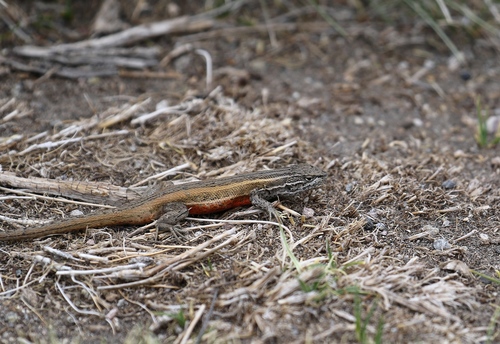
Chungará-glatstrubeleguan
Liolaemus chungara
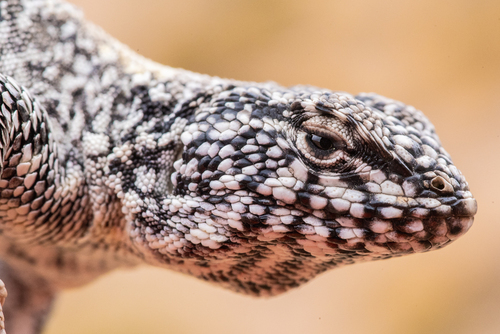
Tarapaca Smooth-throated Lizard
Liolaemus jamesi

Yanez's Lava Lizard
Microlophus yanezi

Brilliant Tree Iguana
Liolaemus alticolor

Peru Slender Snake
Tachymenis peruviana

Liolaemus tacnae
Liolaemus tacnae
Liolaemus pleopholis
Liolaemus pleopholis

Animal Events
Giant Coot Nesting at Lago Chungará
Giant Coots build and tend enormous floating nest platforms of aquatic vegetation on Lago Chungará, with breeding activity peaking in the austral spring

Vicuña Calving Season
Vicuña family groups give birth to their single crias during the altiplano wet season, with newborns visible beside the herds on the bofedales
Altiplano Flamingo Congregation
Wet-season (Andean summer) congregation of three flamingo species — Chilean, Andean and James's — feeding in the shallow wetlands of Lago Chungará and the Cotacotani lagoons


Sighting Calendar
Chance of spotting each species, month by month
Sighting Zones
Warm areas are where all species together are recorded most, so they track where people go as much as where animals are. For one species, see the map on its own page.
Where Wildlife Score
How good is this park for seeing wildlife?Biodiversity
GoodHow rich is the wildlife?
Sighting
Very goodHow likely to see animals?
Quick answers
What animals can you see in Lauca National Park?
The most likely sightings are Northern Mountain Viscacha (seen by 80–90% of wildlife watchers), Mourning Sierra-Finch (seen by 70–80% of wildlife watchers), Black-hooded Sierra-Finch (seen by 70–80% of wildlife watchers), Rufous-collared Sparrow (seen by 70–80% of wildlife watchers), Vicuña (seen by 70–80% of wildlife watchers) — among 335 recorded vertebrate species, based on citizen-science data from GBIF.
When is the best time to visit Lauca National Park for wildlife?
May has the highest combined sighting rate for the park's top species in our month-by-month GBIF data. The full sighting calendar on this page shows each species' best months.
Can you see Vicuña in Lauca National Park?
Yes — about 73% of wildlife watchers report a Vicuña sighting in Lauca National Park, based on 41 days of visitor records from GBIF citizen-science data.
Can you see Northern Mountain Viscacha in Lauca National Park?
Yes — about 84% of wildlife watchers report a Northern Mountain Viscacha sighting in Lauca National Park, based on 66 days of visitor records from GBIF citizen-science data.
Can you see Chilean Flamingo in Lauca National Park?
Yes — about 38% of wildlife watchers report a Chilean Flamingo sighting in Lauca National Park, based on 332 days of visitor records from GBIF citizen-science data.
Can you see North Andean Huemul in Lauca National Park?
Yes — about 60% of wildlife watchers report a North Andean Huemul sighting in Lauca National Park, based on 24 days of visitor records from GBIF citizen-science data.


