Machalilla National Park
🇪🇨 Ecuador
🐦 Blue-footed Boobies on Isla de la PlataMachalilla National Park stretches along the rugged Pacific coast of Ecuador, protecting a rare tropical dry forest where cactus-studded ridges drop directly into the ocean. This coastal sanctuary stands apart from typical rainforest reserves through its arid woodlands, dry brush, and secluded sandy bays. Trails wind through gnawed tree trunks and drought-resistant brush, leading hikers past hidden coves and panoramic ocean viewpoints.
-1.566° S 80.693° W
Wildlife
⭐ Iconic Species
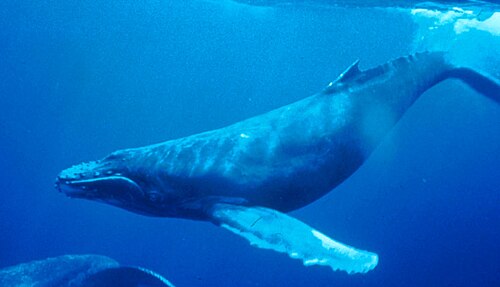 ★
★ Humpback Whale
Megaptera novaeangliae
 ★
★ Blue-footed Booby
Sula nebouxii
 ★
★ Green Turtle
Chelonia mydas
 ★
★ Magnificent Frigatebird
Fregata magnificens
📊 Most Spotted

Black Vulture
Coragyps atratus

Southern House Wren
Troglodytes musculus

Turkey Vulture
Cathartes aura

Brown Pelican
Pelecanus occidentalis

Scrub Blackbird
Dives warczewiczi

Blue-gray Tanager
Thraupis episcopus

Knobbed Pacific Iguana
Microlophus occipitalis

Tropical Kingbird
Tyrannus melancholicus

Tropical Gnatcatcher
Polioptila plumbea

Saffron Finch
Sicalis flaveola

Emerald Hummingbird
Amazilis amazilia

Tumbes Round Ray
Urobatis tumbesensis
⭐ Iconic Species
📊 Most Spotted

Southern Sea Lion
Otaria byronia

Mantled Howler Monkey
Alouatta palliata

Guayaquil Squirrel
Sciurus stramineus

Northern Ghost Bat
Diclidurus albus

Pantropical Spotted Dolphin
Stenella attenuata

Tayra
Eira barbara

Bottlenose Dolphin
Tursiops truncatus

White-tailed Deer
Odocoileus virginianus

Crab-eating Raccoon
Procyon cancrivorus

Northern Tamandua
Tamandua mexicana

Common Opossum
Didelphis marsupialis

Ocelot
Leopardus pardalis
⭐ Iconic Species
📊 Most Spotted
Black Vulture
Coragyps atratus
Southern House Wren
Troglodytes musculus
Turkey Vulture
Cathartes aura
Brown Pelican
Pelecanus occidentalis
Scrub Blackbird
Dives warczewiczi
Blue-gray Tanager
Thraupis episcopus
Tropical Kingbird
Tyrannus melancholicus
Tropical Gnatcatcher
Polioptila plumbea
Saffron Finch
Sicalis flaveola
Emerald Hummingbird
Amazilis amazilia

Eared Dove
Zenaida auriculata

Gray-breasted Martin
Progne chalybea
⭐ Iconic Species
📊 Most Spotted
Knobbed Pacific Iguana
Microlophus occipitalis

Bocourt's Ameiva
Medopheos edracanthus

Green Iguana
Iguana iguana

Shieldhead Gecko
Gonatodes caudiscutatus

Common House Gecko
Hemidactylus frenatus

Seven-lined Ameiva
Holcosus septemlineatus

Peters' Leaf-toed Gecko
Phyllodactylus reissii

Central American Boa
Boa imperator

Trans-Andean Vine Snake
Oxybelis transandinus
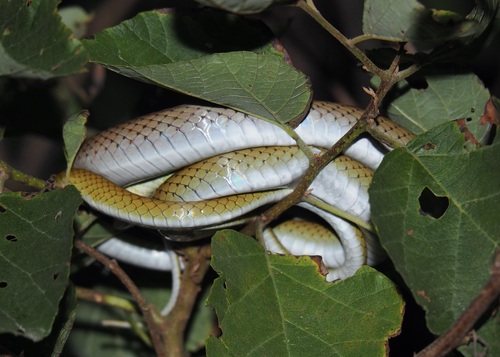
Mastigodryas reticulatus
Mastigodryas reticulatus
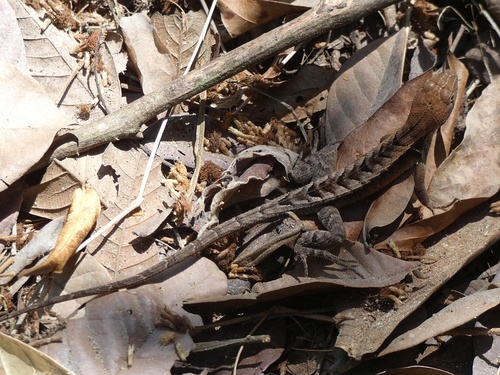
West Ecuadorian Whorl-tailed Iguana
Stenocercus iridescens

Peru Desert Tegu
Dicrodon guttulatum
📊 Most Spotted

Machalilla Poison Frog
Epipedobates machalilla

Cachabi Robber Frog
Pristimantis achatinus

Rosenberg's Gladiator Frog
Boana rosenbergi

Pacific Horned Frog
Ceratophrys stolzmanni

Jordan's Casque-headed Tree Frog
Trachycephalus jordani
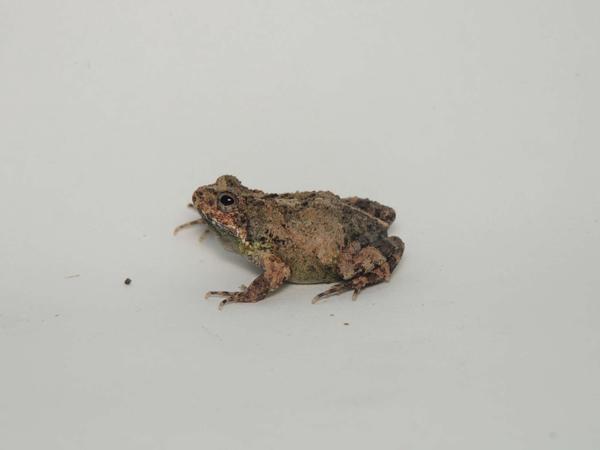
Guayaquil Dwarf Frog
Engystomops pustulatus

Montubio Bully Foam Frog
Engystomops montubio
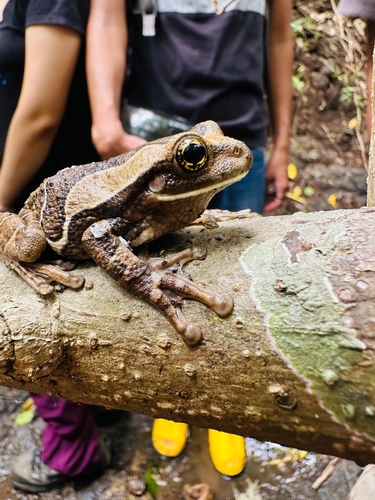
Chocoan milky frog
Trachycephalus quadrangulum

Masked Tree Frog
Smilisca phaeota
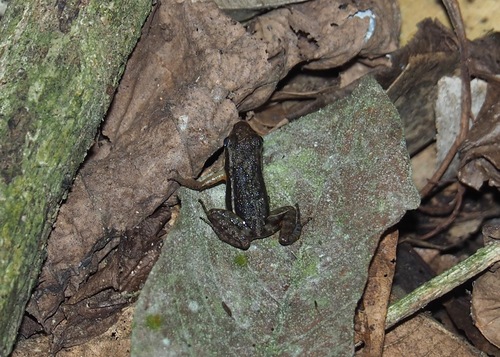
Chimbo Rocket Frog
Hyloxalus infraguttatus

Pimocha White-lipped Frog
Leptodactylus labrosus
📊 Most Spotted
Tumbes Round Ray
Urobatis tumbesensis

longtail stingray
Hypanus longus

Gorgona Guitarfish
Pseudobatos prahli
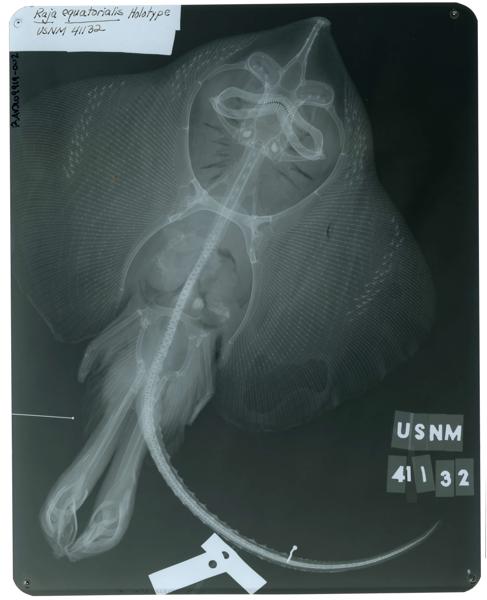
equatorial skate
Raja equatorialis

Whale Shark
Rhincodon typus

Southern Banded Guitarfish
Zapteryx xyster

Pacific Eagle Ray
Aetobatus laticeps

thorny stingray
Urotrygon rogersi

Bigeye Thresher Shark
Alopias superciliosus

Humpback Smooth-hound
Mustelus whitneyi

Oceanic Manta Ray
Mobula birostris

fox shark
Alopias pelagicus
Animal Events
Humpback Whale Breeding Season
Humpback whales migrate from Antarctica to breed and calve in the park's warm coastal waters
Giant Manta Ray Aggregation
Hundreds of oceanic manta rays gather around Isla de la Plata drawn by the nutrient-rich Humboldt current — one of the world's largest known giant manta aggregations, best in .
Seabird Nesting on Isla de la Plata
Blue-footed boobies court and nest along the island trails , alongside Nazca booby and frigatebird colonies — Isla de la Plata is one of mainland Ecuador's only nesting sites for these seabirds.

Sighting Calendar
Chance of spotting each species, month by month
Sighting Zones
Warm areas are where all species together are recorded most, so they track where people go as much as where animals are. For one species, see the map on its own page.
Where Wildlife Score
How good is this park for seeing wildlife?Biodiversity
ExcellentHow rich is the wildlife?
Sighting
Very goodHow likely to see animals?
Quick answers
What animals can you see in Machalilla National Park?
The most likely sightings are Magnificent Frigatebird (seen by 70–80% of wildlife watchers), Black Vulture (seen by 60–70% of wildlife watchers), Southern House Wren (seen by 60–70% of wildlife watchers), Turkey Vulture (seen by 60–70% of wildlife watchers), Brown Pelican (seen by 60–70% of wildlife watchers) — among 854 recorded vertebrate species, based on citizen-science data from GBIF.
When is the best time to visit Machalilla National Park for wildlife?
October has the highest combined sighting rate for the park's top species in our month-by-month GBIF data. The full sighting calendar on this page shows each species' best months.
Can you see Humpback Whale in Machalilla National Park?
Yes — about 51% of wildlife watchers report a Humpback Whale sighting in Machalilla National Park, based on 63 days of visitor records from GBIF citizen-science data.
Can you see Blue-footed Booby in Machalilla National Park?
Yes — about 30% of wildlife watchers report a Blue-footed Booby sighting in Machalilla National Park, based on 275 days of visitor records from GBIF citizen-science data.
Can you see Green Turtle in Machalilla National Park?
Yes — about 41% of wildlife watchers report a Green Turtle sighting in Machalilla National Park, based on 42 days of visitor records from GBIF citizen-science data.
Can you see Magnificent Frigatebird in Machalilla National Park?
Yes — about 75% of wildlife watchers report a Magnificent Frigatebird sighting in Machalilla National Park, based on 677 days of visitor records from GBIF citizen-science data.


