Monfragüe National Park
🇪🇸 Spain
🦌 Red Deer Haven in MonfragüeMonfragüe National Park is a rugged expanse of Mediterranean scrub in the heart of the Iberian Peninsula, defined by ancient woodlands, dense thickets, and sheer quartzite crags rising above winding rivers. This protected terrain offers a distinct sanctuary for specialized flora and fauna adapted to hot, dry summers and rocky terrain.
39.859° N 6.024° W
Wildlife
⭐ Iconic Species
 ★
★ Griffon Vulture
Gyps fulvus
 ★
★ Cinereous Vulture
Aegypius monachus
 ★
★ Red Kite
Milvus milvus
📊 Most Spotted

Elk
Cervus elaphus

Spotless Starling
Sturnus unicolor

Eurasian Blackbird
Turdus merula

Chaffinch
Fringilla coelebs

Sardinian Warbler
Curruca melanocephala

European Serin
Serinus serinus
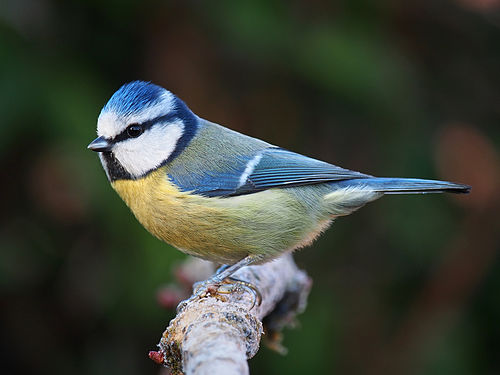
Blue Tit
Cyanistes caeruleus

Great Tit
Parus major

Barn Swallow
Hirundo rustica

Eurasian Goldfinch
Carduelis carduelis

Large Psammodromus
Psammodromus algirus

Grey Heron
Ardea cinerea
📊 Most Spotted
Elk
Cervus elaphus

Red Fox
Vulpes vulpes

Wild Boar
Sus scrofa

Egyptian Mongoose
Herpestes ichneumon

Stone Marten
Martes foina

Eurasian Otter
Lutra lutra

Granada Hare
Lepus granatensis

Common Hedgehog
Erinaceus europaeus

European Rabbit
Oryctolagus cuniculus

Northern Small-spotted Genet
Genetta genetta

Western Roe Deer
Capreolus capreolus

Fallow Deer
Dama dama
⭐ Iconic Species
★ Griffon Vulture
Gyps fulvus
★ Cinereous Vulture
Aegypius monachus
★ Red Kite
Milvus milvus
📊 Most Spotted
Spotless Starling
Sturnus unicolor
Eurasian Blackbird
Turdus merula
Chaffinch
Fringilla coelebs
Sardinian Warbler
Curruca melanocephala
European Serin
Serinus serinus
Blue Tit
Cyanistes caeruleus
Great Tit
Parus major
Barn Swallow
Hirundo rustica
Eurasian Goldfinch
Carduelis carduelis
Grey Heron
Ardea cinerea

House Martin
Delichon urbicum

Eurasian Crag Martin
Ptyonoprogne rupestris
📊 Most Spotted
Large Psammodromus
Psammodromus algirus

Mediterranean Turtle
Mauremys leprosa

Moorish Gecko
Tarentola mauritanica

Viperine Snake
Natrix maura

Ocellated Lizard
Timon lepidus

Horseshoe Whip Snake
Hemorrhois hippocrepis

Green Iberian Wall Lizard
Podarcis virescens

Iberian False Smooth Snake
Macroprotodon brevis

Ladder Snake
Zamenis scalaris

Pond Slider
Trachemys scripta

Iberian Grass Snake
Natrix astreptophora

Montpellier Snake
Malpolon monspessulanus
📊 Most Spotted

Iberian Green Frog
Pelophylax perezi

Bosca's newt
Lissotriton boscai

Giant Toad
Bufo spinosus

Spanish Newt
Pleurodeles waltl

Mediterranean Tree Frog
Hyla meridionalis
Fire Salamander
Salamandra salamandra

Pygmy Marbled Newt
Triturus pygmaeus

Natterjack Toad
Epidalea calamita

Iberian Spadefoot Toad
Pelobates cultripes

Iberian Painted Frog
Discoglossus galganoi

Iberian Midwife Toad
Alytes cisternasii

Iberian Frog
Rana iberica
Animal Events
Autumn Deer Rutting Season
The park’s dense forests and open meadows provide an ideal setting for observing the dramatic rutting displays of Red Deer, a sound-rich spectacle.
Vulture Feeding Stations
Controlled carcass feeding stations attract hundreds of Griffon and Cinereous Vultures, offering unparalleled viewing opportunities in a natural setting.
Spring Raptor Migration
Monfragüe’s strategic location along the western European flyway makes it a hotspot for migrating raptors, including Black Kites and Honey Buzzards.


Sighting Calendar
Chance of spotting each species, month by month
Sighting Zones
Warm areas are where all species together are recorded most, so they track where people go as much as where animals are. For one species, see the map on its own page.
Where Wildlife Score
How good is this park for seeing wildlife?Biodiversity
GoodHow rich is the wildlife?
Sighting
Very goodHow likely to see animals?
Quick answers
What animals can you see in Monfragüe National Park?
The most likely sightings are Elk (seen by 70–80% of wildlife watchers), Spotless Starling (seen by 60–70% of wildlife watchers), Eurasian Blackbird (seen by 60–70% of wildlife watchers), Griffon Vulture (seen by 60–70% of wildlife watchers), Chaffinch (seen by 60–70% of wildlife watchers) — among 473 recorded vertebrate species, based on citizen-science data from GBIF.
When is the best time to visit Monfragüe National Park for wildlife?
April has the highest combined sighting rate for the park's top species in our month-by-month GBIF data. The full sighting calendar on this page shows each species' best months.
Can you see Griffon Vulture in Monfragüe National Park?
Yes — about 63% of wildlife watchers report a Griffon Vulture sighting in Monfragüe National Park, based on 3,155 days of visitor records from GBIF citizen-science data.
Can you see Cinereous Vulture in Monfragüe National Park?
Yes — about 48% of wildlife watchers report a Cinereous Vulture sighting in Monfragüe National Park, based on 2,417 days of visitor records from GBIF citizen-science data.
Can you see Red Kite in Monfragüe National Park?
Yes — about 34% of wildlife watchers report a Red Kite sighting in Monfragüe National Park, based on 1,718 days of visitor records from GBIF citizen-science data.
_male_(14487390465).jpg?width=1920)


