Montes Azules Biosphere Reserve
🇲🇽 Mexico
🐒 Howler Monkey and Macaw RainforestMontes Azules holds the largest surviving block of the Lacandon rainforest, and the river is how you see it. Yucatán black howlers call from the banks on more than eight trips in ten and Geoffroy's spider monkeys are recorded on seven.
16.388° N 91.102° W
Wildlife
⭐ Iconic Species
 ★
★ Mexican Black Howler Monkey
Alouatta pigra
 ★
★ Central American Spider Monkey
Ateles geoffroyi
 ★
★ Scarlet Macaw
Ara macao
 ★
★ Belize Crocodile
Crocodylus moreletii
📊 Most Spotted

Magnolia Warbler
Setophaga magnolia

Brown Jay
Psilorhinus morio

American Redstart
Setophaga ruticilla

Social Flycatcher
Myiozetetes similis

Black-and-white Warbler
Mniotilta varia

Keel-billed Toucan
Ramphastos sulfuratus

Melodious Blackbird
Dives dives

Rufous-tailed Hummingbird
Amazilia tzacatl

Spot-breasted Wren
Pheugopedius maculipectus
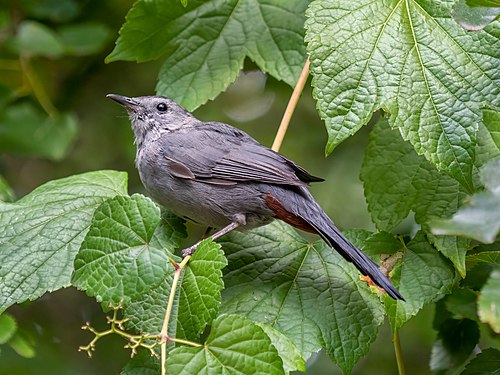
Gray Catbird
Dumetella carolinensis

Summer Tanager
Piranga rubra

Yellow Warbler
Setophaga petechia
⭐ Iconic Species
★ Mexican Black Howler Monkey
Alouatta pigra
★ Central American Spider Monkey
Ateles geoffroyi
📊 Most Spotted

Jamaican Fruit-eating Bat
Artibeus jamaicensis

Proboscis Bat
Rhynchonycteris naso

White-nosed Coati
Nasua narica

Yucatán Squirrel
Sciurus yucatanensis

Baird's Tapir
Tapirella bairdii

Mountain Lion
Puma concolor

Central American Agouti
Dasyprocta punctata

Big-eared Woolly Bat
Chrotopterus auritus

Northern Tamandua
Tamandua mexicana

Deppe's Squirrel
Sciurus deppei

Jaguar
Panthera onca

Greater Sac-winged Bat
Saccopteryx bilineata
⭐ Iconic Species
📊 Most Spotted
Magnolia Warbler
Setophaga magnolia
Brown Jay
Psilorhinus morio
American Redstart
Setophaga ruticilla
Social Flycatcher
Myiozetetes similis
Black-and-white Warbler
Mniotilta varia
Keel-billed Toucan
Ramphastos sulfuratus
Melodious Blackbird
Dives dives
Rufous-tailed Hummingbird
Amazilia tzacatl
Spot-breasted Wren
Pheugopedius maculipectus
Gray Catbird
Dumetella carolinensis
Summer Tanager
Piranga rubra
Yellow Warbler
Setophaga petechia
⭐ Iconic Species
📊 Most Spotted

Ghost Anole
Anolis lemurinus

Brown Basilisk
Basiliscus vittatus

Green Iguana
Iguana iguana

Middle American Ameiva
Holcosus festivus

Hernandez’s Helmeted Basilisk
Corytophanes hernandesii

Blue Spiny Lizard
Sceloporus serrifer

Yellow-spotted Night Lizard
Lepidophyma flavimaculatum

Helmeted Iguana
Corytophanes cristatus

Red Coffee Snake
Ninia sebae

Central American Jumping Pit Viper
Metlapilcoatlus mexicanus

Rainforest Hog-nosed Viper
Porthidium nasutum

Blunthead Tree Snake
Imantodes cenchoa
📊 Most Spotted

Mexican Smilisca
Smilisca baudinii

Central American Gulf Coast Toad
Incilius valliceps

Giant Marine Toad
Rhinella horribilis

Mexican Mushroomtongue Salamander
Bolitoglossa mexicana

Yellow Treefrog
Dendropsophus microcephalus

Stauffer's Tree Frog
Scinax staufferi

Browns' Frog
Lithobates brownorum

Vaillant's Frog
Lithobates vaillanti

Rufescent Salamander
Bolitoglossa rufescens

Common Leaf-Litter Frog
Craugastor loki
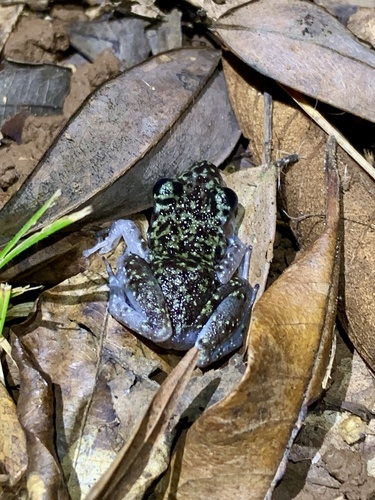
Leprus Chirping Frog
Eleutherodactylus leprus

Painted Tree Frog
Tlalocohyla picta
Animal Events
Crocodiles on the Sandbars
Morelet's crocodiles rest on the exposed river sandbars as the water drops.
Frogs and Salamanders in the Rains
Mexican tree frogs and mushroom-tongue salamanders breed in the wet forest and call after dark.
Howlers and Spider Monkeys in the Dry Months
Yucatán black howlers call at dawn and spider monkey troops feed in the fruiting canopy.
Sighting Calendar
Chance of spotting each species, month by month
Sighting Zones
Warm areas are where all species together are recorded most, so they track where people go as much as where animals are. For one species, see the map on its own page.
Where Wildlife Score
How good is this park for seeing wildlife?Biodiversity
Very goodHow rich is the wildlife?
Sighting
GoodHow likely to see animals?
Quick answers
What animals can you see in Montes Azules Biosphere Reserve?
The most likely sightings are Mexican Black Howler Monkey (seen by 50–60% of wildlife watchers), Magnolia Warbler (seen by 40–50% of wildlife watchers), Belize Crocodile (seen by 40–50% of wildlife watchers), Brown Jay (seen by 40–50% of wildlife watchers), American Redstart (seen by 40–50% of wildlife watchers) — among 978 recorded vertebrate species, based on citizen-science data from GBIF.
When is the best time to visit Montes Azules Biosphere Reserve for wildlife?
January has the highest combined sighting rate for the park's top species in our month-by-month GBIF data. The full sighting calendar on this page shows each species' best months.
Can you see Mexican Black Howler Monkey in Montes Azules Biosphere Reserve?
Yes — about 50% of wildlife watchers report a Mexican Black Howler Monkey sighting in Montes Azules Biosphere Reserve, based on 123 days of visitor records from GBIF citizen-science data.
Can you see Central American Spider Monkey in Montes Azules Biosphere Reserve?
Yes — about 45% of wildlife watchers report a Central American Spider Monkey sighting in Montes Azules Biosphere Reserve, based on 97 days of visitor records from GBIF citizen-science data.
Can you see Scarlet Macaw in Montes Azules Biosphere Reserve?
Yes — about 36% of wildlife watchers report a Scarlet Macaw sighting in Montes Azules Biosphere Reserve, based on 55 days of visitor records from GBIF citizen-science data.
Can you see Belize Crocodile in Montes Azules Biosphere Reserve?
Yes — about 46% of wildlife watchers report a Belize Crocodile sighting in Montes Azules Biosphere Reserve, based on 102 days of visitor records from GBIF citizen-science data.


