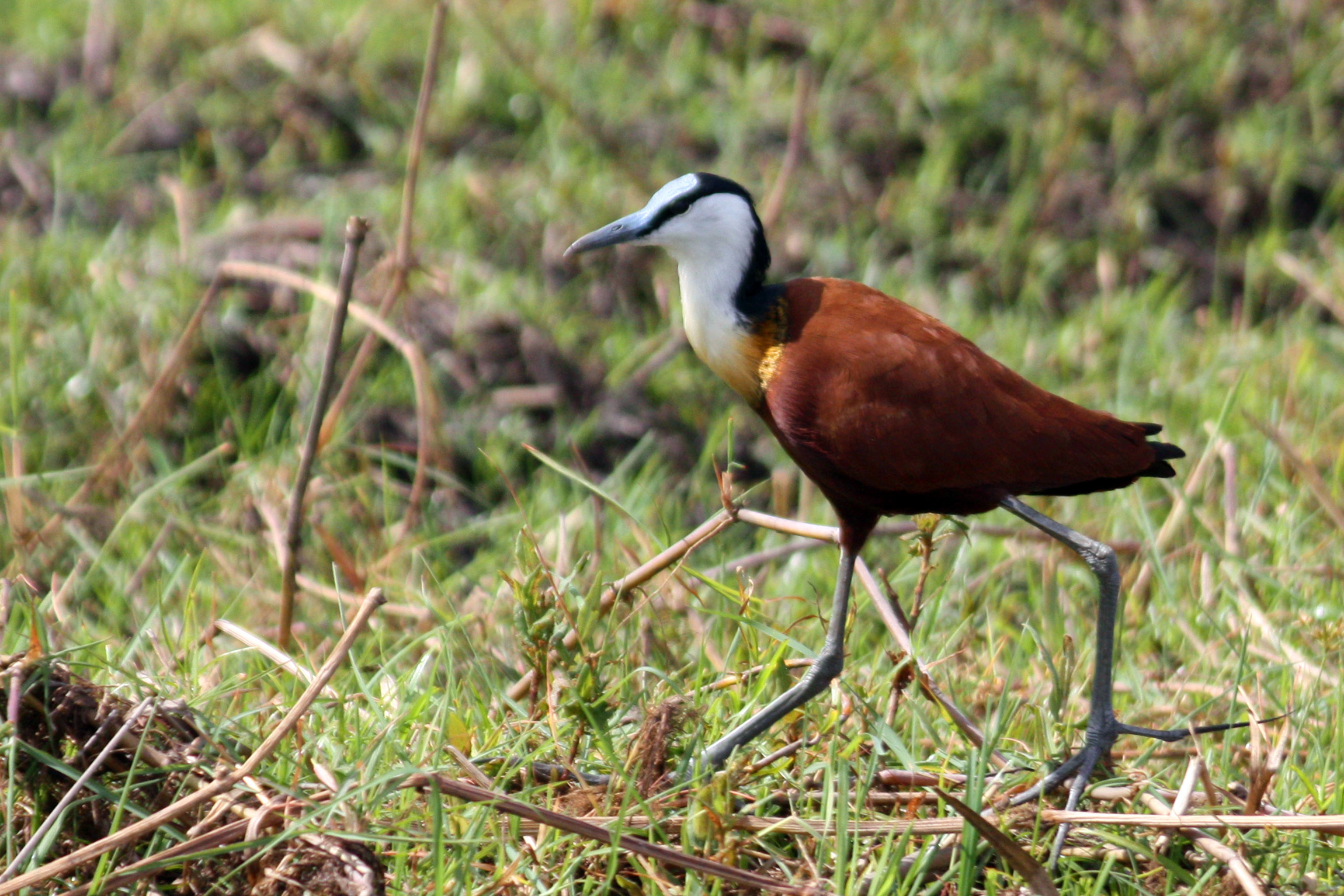
Namib-Naukluft National Park
🇳🇦 Namibia
🦎 Watch Namib Sand Geckos ThriveNamib-Naukluft National Park is a desert reserve stretching across southwestern Namibia, protecting a stark landscape of massive dunes, gravel plains, and coastal lagoons. Unlike tropical parks defined by dense forests, this harsh environment relies on coastal fogs and ephemeral rivers to sustain its specialized wildlife.
-24.065° S 15.102° E
Wildlife
⭐ Iconic Species
 ★
★ Gemsbok
Oryx gazella
 ★
★ Namib Sand Gecko
Pachydactylus rangei
 ★
★ Afro-Australian Fur Seal
Arctocephalus pusillus
 ★
★ Springbok
Antidorcas marsupialis
📊 Most Spotted

Cape Sparrow
Passer melanurus

Dominican Gull
Larus dominicanus

Hartlaub's Gull
Chroicocephalus hartlaubii

Greater Flamingo
Phoenicopterus roseus

Lesser Flamingo
Phoeniconaias minor

Cape Wagtail
Motacilla capensis

Speckled Pigeon
Columba guinea

Namaqua Chameleon
Chamaeleo namaquensis

Pied Avocet
Recurvirostra avosetta

Cape Cormorant
Phalacrocorax capensis

Wedge-snouted Desert Lizard
Meroles cuneirostris

LADO
Spilopelia senegalensis
⭐ Iconic Species
★ Gemsbok
Oryx gazella
★ Afro-Australian Fur Seal
Arctocephalus pusillus
★ Springbok
Antidorcas marsupialis
📊 Most Spotted

Cape Ground Squirrel
Xerus inauris

Hartmann's zebra
Equus hartmannae

Chacma Baboon
Papio ursinus

Klipspringer
Oreotragus oreotragus

Rock Hyrax
Procavia capensis

Southern Giraffe
Giraffa giraffa

Dassie Rat
Petromus typicus

Greater Kudu
Tragelaphus strepsiceros

Brown Hyaena
Hyaena brunnea

Heaviside's Dolphin
Cephalorhynchus heavisidii
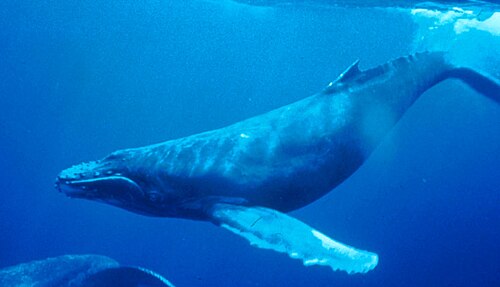
Humpback Whale
Megaptera novaeangliae

Cape Four-striped Grass Mouse
Rhabdomys pumilio
📊 Most Spotted
Cape Sparrow
Passer melanurus
Dominican Gull
Larus dominicanus
Hartlaub's Gull
Chroicocephalus hartlaubii
Greater Flamingo
Phoenicopterus roseus
Lesser Flamingo
Phoeniconaias minor
Cape Wagtail
Motacilla capensis
Speckled Pigeon
Columba guinea
Pied Avocet
Recurvirostra avosetta
Cape Cormorant
Phalacrocorax capensis
LADO
Spilopelia senegalensis

Black-bellied Plover
Pluvialis squatarola

Crested Tern
Thalasseus bergii
⭐ Iconic Species
📊 Most Spotted
Namaqua Chameleon
Chamaeleo namaquensis
Wedge-snouted Desert Lizard
Meroles cuneirostris

Shovel-snouted Lizard
Meroles anchietae

Peringuey's Adder
Bitis peringueyi

Namib Day Gecko
Rhoptropus afer

Horned Adder
Bitis caudalis

Spotted Sand Lizard
Meroles suborbitalis

Kalahari Tree Skink
Trachylepis spilogaster

Fischer's Thick-toed Gecko
Chondrodactylus laevigatus

Anchieta's Agama
Agama anchietae

Variegated Skink
Trachylepis variegata

Short Blind Dart Skink
Typhlacontias brevipes
📊 Most Spotted
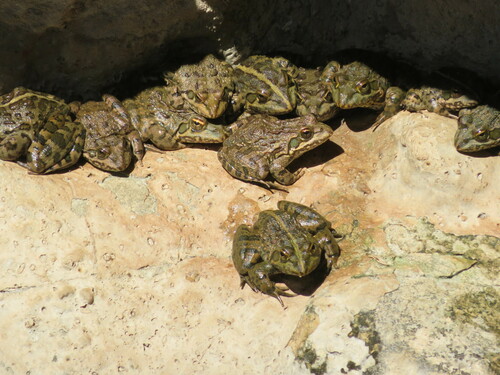
Poynton's River Frog
Amietia poyntoni

Marbled rubber frog
Phrynomantis annectens

African Clawed Frog
Xenopus laevis
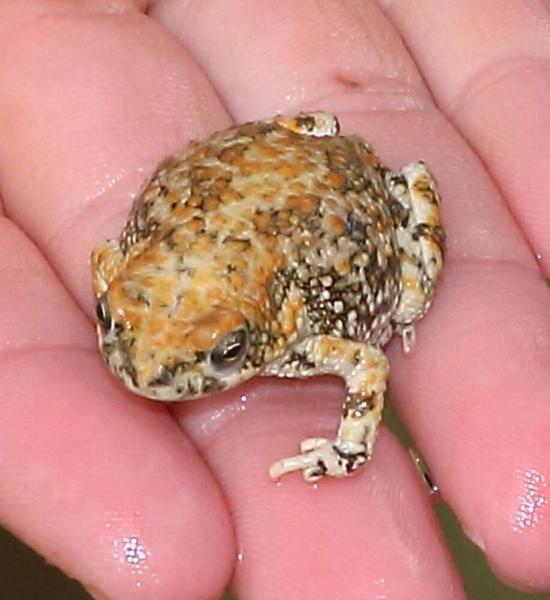
Hoesch's toad
Poyntonophrynus hoeschi

Tandy's sand frog
Tomopterna tandyi

Power's Toad
Sclerophrys poweri

Senegal Kassina
Kassina senegalensis

Boettger's dainty frog
Cacosternum boettgeri
Animal Events
Coastal Fog and Marine Life Gathering
Dense Atlantic fog rolls inland over the frigid coast, providing vital moisture while the Afro-Australian Fur Seal gathers in massive numbers along the shorelines to breed and nurse their pups.
Arid Plain Grazing and Rutting
During the cooler winter months, the Springbok engage in active social interactions, congregating in large herds across the gravel plains to take advantage of sparse winter grazing.
Endemic Dune Activity Peak
With the intense heat of mid-summer, nocturnal reptiles like the Namib Sand Gecko emerge to hunt actively across the cooling sand slopes, utilizing specialized behavioral adaptations to survive the harsh dunes.
Sighting Calendar
Chance of spotting each species, month by month
Sighting Zones
Warm areas are where all species together are recorded most, so they track where people go as much as where animals are. For one species, see the map on its own page.
Where Wildlife Score
How good is this park for seeing wildlife?Biodiversity
ExcellentHow rich is the wildlife?
Sighting
Very goodHow likely to see animals?
Quick answers
What animals can you see in Namib-Naukluft National Park?
The most likely sightings are Cape Sparrow (seen by 60–70% of wildlife watchers), Dominican Gull (seen by 50–60% of wildlife watchers), Hartlaub's Gull (seen by 50–60% of wildlife watchers), Greater Flamingo (seen by 50–60% of wildlife watchers), Gemsbok (seen by 50–60% of wildlife watchers) — among 908 recorded vertebrate species, based on citizen-science data from GBIF.
When is the best time to visit Namib-Naukluft National Park for wildlife?
December has the highest combined sighting rate for the park's top species in our month-by-month GBIF data. The full sighting calendar on this page shows each species' best months.
Can you see Gemsbok in Namib-Naukluft National Park?
Yes — about 53% of wildlife watchers report a Gemsbok sighting in Namib-Naukluft National Park, based on 331 days of visitor records from GBIF citizen-science data.
Can you see Namib Sand Gecko in Namib-Naukluft National Park?
Yes — about 41% of wildlife watchers report a Namib Sand Gecko sighting in Namib-Naukluft National Park, based on 195 days of visitor records from GBIF citizen-science data.
Can you see Afro-Australian Fur Seal in Namib-Naukluft National Park?
Yes — about 39% of wildlife watchers report a Afro-Australian Fur Seal sighting in Namib-Naukluft National Park, based on 181 days of visitor records from GBIF citizen-science data.
Can you see Springbok in Namib-Naukluft National Park?
Yes — about 42% of wildlife watchers report a Springbok sighting in Namib-Naukluft National Park, based on 203 days of visitor records from GBIF citizen-science data.
-1574_-_Flickr_-_Ragnhild_%26_Neil_Crawford.jpg?width=1920)