Rincón de la Vieja National Park
🇨🇷 Costa Rica
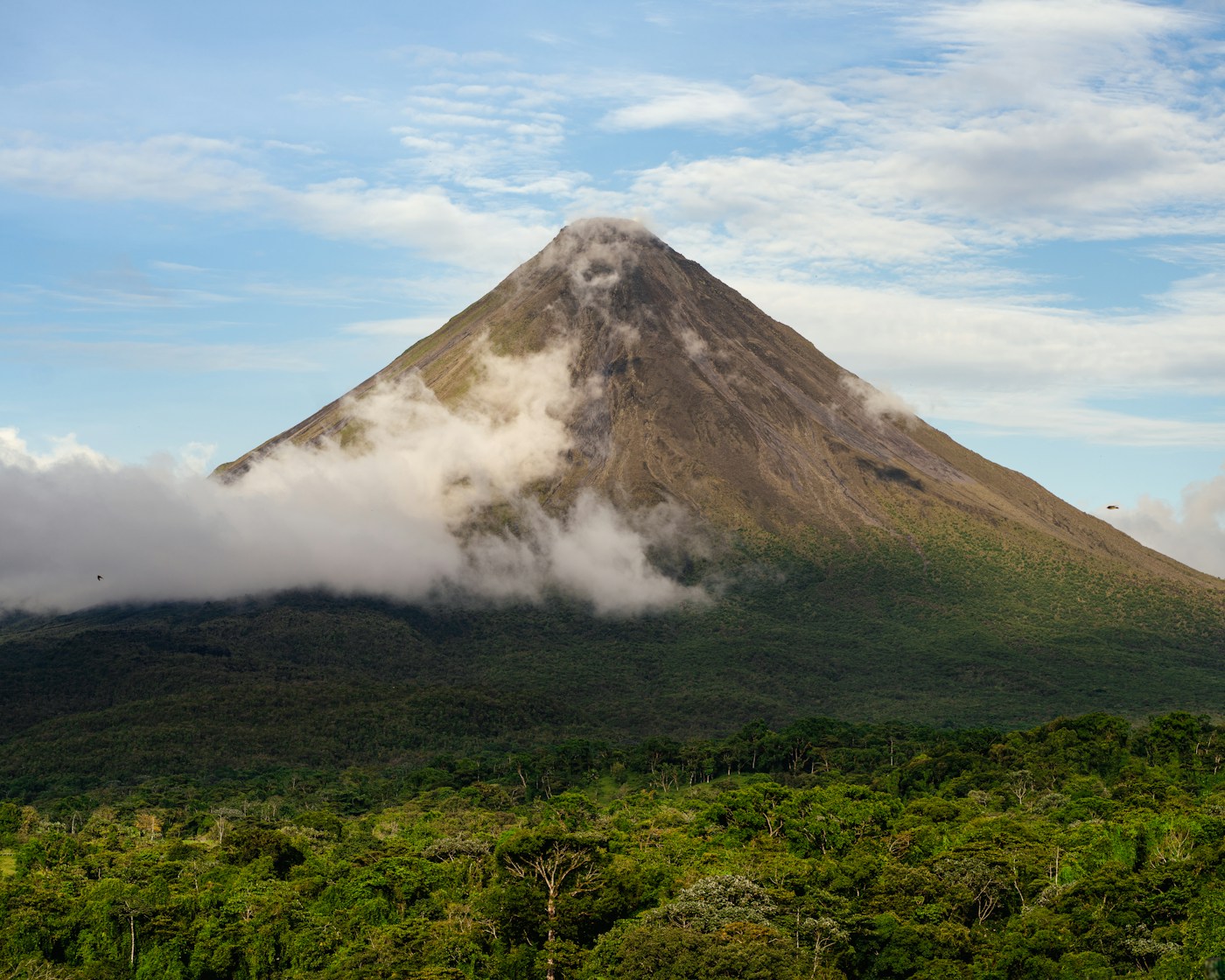
🦎 Black Spiny-tailed Iguana Volcanic TrailsRincón de la Vieja is Guanacaste's wildest national park — an active volcano surrounded by fumaroles, bubbling mud pots, and hot springs, wrapped in tropical dry forest that transitions to cloud forest at higher elevations. The park protects over 300 bird species and an impressive roster of mammals including three monkey species, tapirs, peccaries, coatis, and elusive big cats.
10.809° N 85.310° W
Wildlife
⭐ Iconic Species
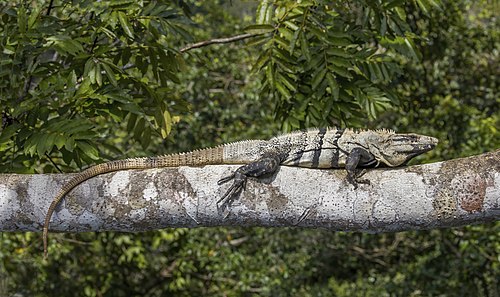 ★
★ Black Spiny-tailed Iguana
Ctenosaura similis
 ★
★ White-Throated Magpie-Jay
Calocitta formosa
 ★
★ Long-tailed Manakin
Chiroxiphia linearis
 ★
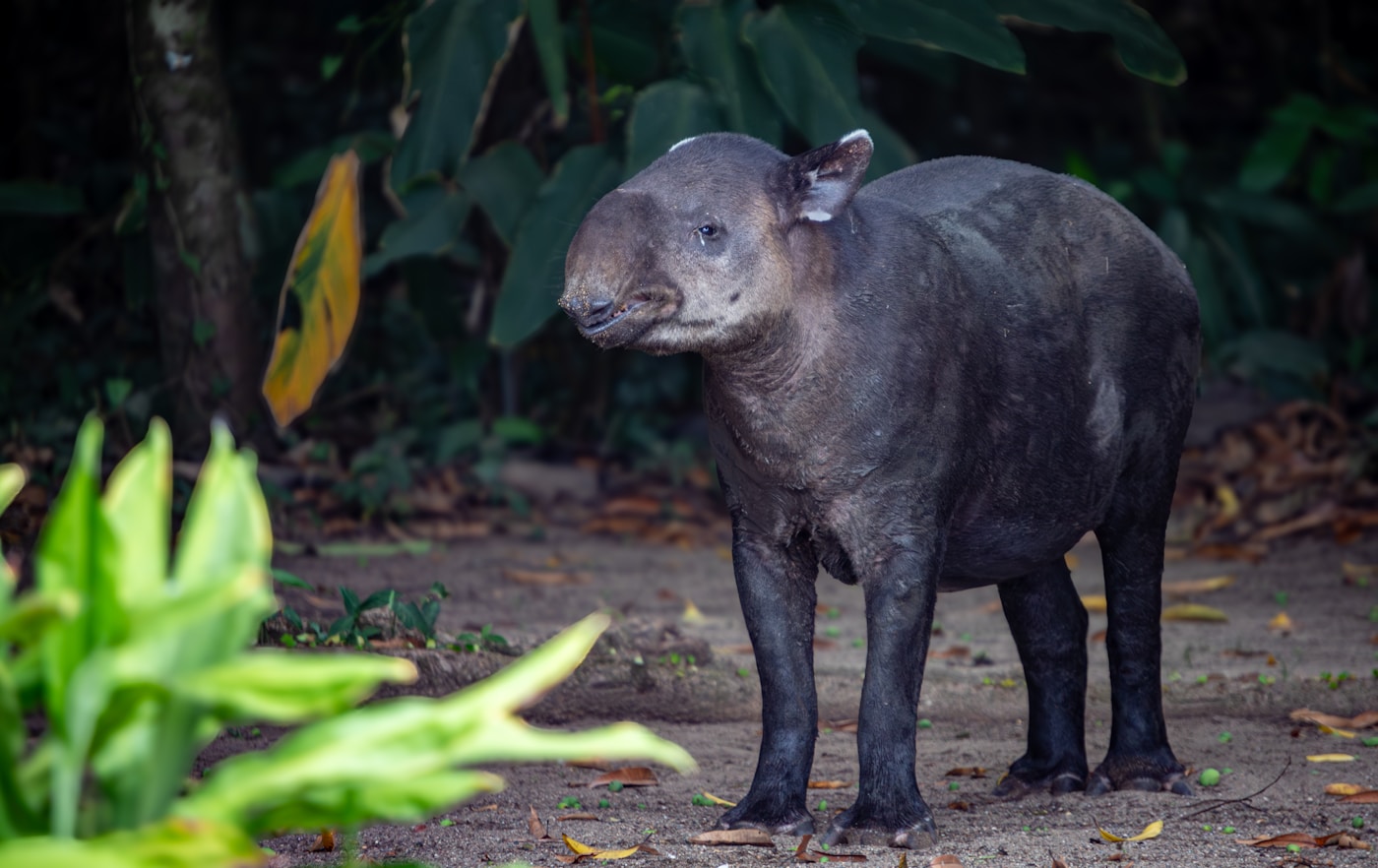
★ Baird's Tapir
Tapirella bairdii
📊 Most Spotted

Central American White-faced Capuchin
Cebus imitator

Great Kiskadee
Pitangus sulphuratus

Central American Agouti
Dasyprocta punctata

Rainbow Ameiva
Holcosus undulatus

Keel-billed Toucan
Ramphastos sulfuratus

Lesser Greenlet
Hylophilus decurtatus

Rufous-capped Warbler
Basileuterus rufifrons

Hoffmann's Woodpecker
Melanerpes hoffmannii

Turkey Vulture
Cathartes aura

Giant Marine Toad
Rhinella horribilis

Lesson's Motmot
Momotus lessonii

Orange-chinned Parakeet
Brotogeris jugularis
⭐ Iconic Species
📊 Most Spotted
Central American White-faced Capuchin
Cebus imitator
Central American Agouti
Dasyprocta punctata

Variegated Squirrel
Sciurus variegatoides

Central American Spider Monkey
Ateles geoffroyi

Mantled Howler Monkey
Alouatta palliata

White-nosed Coati
Nasua narica

Northern Tamandua
Tamandua mexicana

White-tailed Deer
Odocoileus virginianus

Tayra
Eira barbara

chestnut short-tailed bat
Carollia castanea

hairy big-eared bat
Micronycteris hirsuta

Sumichrast's Vesper Rat
Nyctomys sumichrasti
⭐ Iconic Species
📊 Most Spotted
Great Kiskadee
Pitangus sulphuratus
Keel-billed Toucan
Ramphastos sulfuratus
Lesser Greenlet
Hylophilus decurtatus
Rufous-capped Warbler
Basileuterus rufifrons
Hoffmann's Woodpecker
Melanerpes hoffmannii
Turkey Vulture
Cathartes aura
Lesson's Motmot
Momotus lessonii
Orange-chinned Parakeet
Brotogeris jugularis

White-fronted Parrot
Amazona albifrons

Black Vulture
Coragyps atratus

Montezuma Oropendola
Psarocolius montezuma

Banded Wren
Thryophilus pleurostictus
⭐ Iconic Species
📊 Most Spotted
Rainbow Ameiva
Holcosus undulatus

Neotropical Green Anole
Anolis biporcatus

Copper Anole
Anolis cupreus

Black-banded Snake
Scolecophis atrocinctus

Stream Anole
Anolis oxylophus

Four-lined Ameiva
Holcosus quadrilineatus

Fer-de-lance
Bothrops asper

Puffing Snake
Phrynonax poecilonotus

Helmeted Iguana
Corytophanes cristatus

Common House Gecko
Hemidactylus frenatus

Bighead Anole
Anolis capito

Central American Boa
Boa imperator
📊 Most Spotted
Giant Marine Toad
Rhinella horribilis

Warszewitsch's Frog
Lithobates warszewitschii
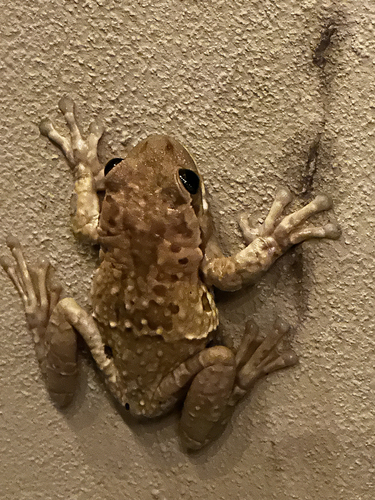
Milk Frog
Trachycephalus macrotis

Dry Forest Toad
Incilius coccifer

Fitzinger's Robber Frog
Craugastor fitzingeri

Masked Tree Frog
Smilisca phaeota

Turbo White-lipped Frog
Leptodactylus poecilochilus

Savage's Thin-toed Frog
Leptodactylus savagei

Mexican Smilisca
Smilisca baudinii

Yellow Treefrog
Dendropsophus microcephalus

Red-eyed Treefrog
Agalychnis callidryas

Wet Forest Toad
Incilius melanochlorus
Animal Events
Long-tailed Manakin Lek Courtship
Male Long-tailed Manakins pair up at traditional leks to perform their coordinated duet-and-dance display for females.
Rainy Season Amphibian Breeding
With the rains, giant toads and harlequin treefrogs gather to breed and call around ponds and streams.
Howler Monkey Vocal Activity
Mantled howler troops call at dawn through the canopy, their roars carrying across the volcano slopes.
Dry Forest Birding Peak
Bare dry-season canopy makes magpie-jays and both motmots easy to spot along the Las Pailas trails.

Sighting Calendar
Chance of spotting each species, month by month
Sighting Zones
Warm areas are where all species together are recorded most, so they track where people go as much as where animals are. For one species, see the map on its own page.
Where Wildlife Score
How good is this park for seeing wildlife?Biodiversity
Very goodHow rich is the wildlife?
Sighting
Very goodHow likely to see animals?
Quick answers
What animals can you see in Rincón de la Vieja National Park?
The most likely sightings are Black Spiny-tailed Iguana (seen by 90–100% of wildlife watchers), White-Throated Magpie-Jay (seen by 70–80% of wildlife watchers), Central American White-faced Capuchin (seen by 60–70% of wildlife watchers), Long-tailed Manakin (seen by 60–70% of wildlife watchers), Great Kiskadee (seen by 60–70% of wildlife watchers) — among 1031 recorded vertebrate species, based on citizen-science data from GBIF.
When is the best time to visit Rincón de la Vieja National Park for wildlife?
June has the highest combined sighting rate for the park's top species in our month-by-month GBIF data. The full sighting calendar on this page shows each species' best months.
Can you see Black Spiny-tailed Iguana in Rincón de la Vieja National Park?
Yes — about 91% of wildlife watchers report a Black Spiny-tailed Iguana sighting in Rincón de la Vieja National Park, based on 179 days of visitor records from GBIF citizen-science data.
Can you see White-Throated Magpie-Jay in Rincón de la Vieja National Park?
Yes — about 73% of wildlife watchers report a White-Throated Magpie-Jay sighting in Rincón de la Vieja National Park, based on 590 days of visitor records from GBIF citizen-science data.
Can you see Long-tailed Manakin in Rincón de la Vieja National Park?
Yes — about 64% of wildlife watchers report a Long-tailed Manakin sighting in Rincón de la Vieja National Park, based on 516 days of visitor records from GBIF citizen-science data.
Can you see Baird's Tapir in Rincón de la Vieja National Park?
Yes — about 36% of wildlife watchers report a Baird's Tapir sighting in Rincón de la Vieja National Park, based on 5 days of visitor records from GBIF citizen-science data.