Rocky Mountain National Park
🇺🇸 United States
🫎 Elk Bugling in Moraine ParkRocky Mountain National Park occupies a stretch of the central Rocky Mountains in the United States, where temperate conifer forests rise from river valleys to subalpine meadows and alpine ridges. The park is celebrated for its iconic red deer and elk that roam the high country.
40.371° N 105.726° W
Wildlife
⭐ Iconic Species
 ★
★ Elk
Cervus elaphus
 ★
★ Elk
Alces alces
 ★
★ Bighorn Sheep
Ovis canadensis
 ★
★ American Pika
Ochotona princeps
📊 Most Spotted

Mountain Chickadee
Poecile gambeli
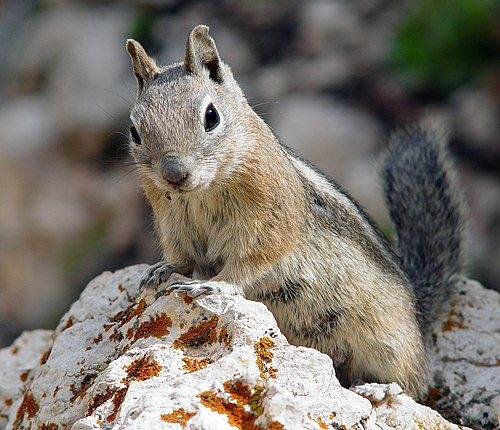
Golden-mantled Ground Squirrel
Callospermophilus lateralis

American Robin
Turdus migratorius

Mule Deer
Odocoileus hemionus

Yellow-bellied Marmot
Marmota flaviventris

Black-billed Magpie
Pica hudsonia

American Crow
Corvus brachyrhynchos

Pygmy Nuthatch
Sitta pygmaea

Dark-eyed Junco
Junco hyemalis

Steller's Jay
Cyanocitta stelleri

Common Raven
Corvus corax
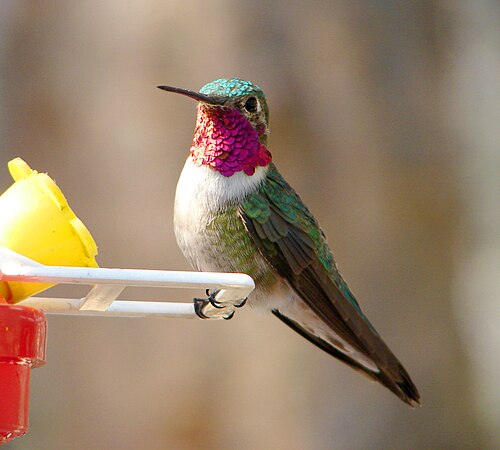
Broad-tailed Hummingbird
Selasphorus platycercus
⭐ Iconic Species
★ Elk
Cervus elaphus
★ Elk
Alces alces
★ Bighorn Sheep
Ovis canadensis
★ American Pika
Ochotona princeps
📊 Most Spotted
Golden-mantled Ground Squirrel
Callospermophilus lateralis
Mule Deer
Odocoileus hemionus
Yellow-bellied Marmot
Marmota flaviventris

Wyoming Ground Squirrel
Urocitellus elegans

American Red Squirrel
Tamiasciurus hudsonicus

Coyote
Canis latrans

Least Chipmunk
Tamias minimus

Snowshoe Hare
Lepus americanus

Mountain Cottontail
Sylvilagus nuttallii

Abert's Squirrel
Sciurus aberti

American Black Bear
Ursus americanus

Muskrat
Ondatra zibethicus
📊 Most Spotted
Mountain Chickadee
Poecile gambeli
American Robin
Turdus migratorius
Black-billed Magpie
Pica hudsonia
American Crow
Corvus brachyrhynchos
Pygmy Nuthatch
Sitta pygmaea
Dark-eyed Junco
Junco hyemalis
Steller's Jay
Cyanocitta stelleri
Common Raven
Corvus corax
Broad-tailed Hummingbird
Selasphorus platycercus

Northern Flicker
Colaptes auratus

Yellow-rumped Warbler
Setophaga coronata

Violet-green Swallow
Tachycineta thalassina


Animal Events
Elk Rut and Bugling
Autumn mating season: bull elk gather harems in the meadows (Moraine Park, Horseshoe Park) and their bugling echoes through the valleys from to — the park's most famous wildlife event.
Bighorn Sheep at Sheep Lakes
Bighorn sheep descend from the Mummy Range to the mineral licks at Sheep Lakes in Horseshoe Park through — a documented congregation the NPS manages with a dedicated crossing zone.
Alpine Tundra Wildlife Season
With Trail Ridge Road open, the high tundra comes alive: marmots emerge from hibernation to sun on boulders, pikas haypile for winter, and white-tailed ptarmigan forage above treeline.

Sighting Calendar
Chance of spotting each species, month by month
Sighting Zones
Warm areas are where all species together are recorded most, so they track where people go as much as where animals are. For one species, see the map on its own page.
Where Wildlife Score
How good is this park for seeing wildlife?Biodiversity
Very goodHow rich is the wildlife?
Sighting
GoodHow likely to see animals?
Quick answers
What animals can you see in Rocky Mountain National Park?
The most likely sightings are Elk (seen by 80–90% of wildlife watchers), Mountain Chickadee (seen by 80–90% of wildlife watchers), Golden-mantled Ground Squirrel (seen by 70–80% of wildlife watchers), American Robin (seen by 70–80% of wildlife watchers), Elk (seen by 60–70% of wildlife watchers) — among 550 recorded vertebrate species, based on citizen-science data from GBIF.
When is the best time to visit Rocky Mountain National Park for wildlife?
September has the highest combined sighting rate for the park's top species in our month-by-month GBIF data. The full sighting calendar on this page shows each species' best months.
Can you see Elk in Rocky Mountain National Park?
Yes — about 85% of wildlife watchers report a Elk sighting in Rocky Mountain National Park, based on 2,368 days of visitor records from GBIF citizen-science data.
Can you see Elk in Rocky Mountain National Park?
Yes — about 68% of wildlife watchers report a Elk sighting in Rocky Mountain National Park, based on 1,094 days of visitor records from GBIF citizen-science data.
Can you see Bighorn Sheep in Rocky Mountain National Park?
Yes — about 29% of wildlife watchers report a Bighorn Sheep sighting in Rocky Mountain National Park, based on 200 days of visitor records from GBIF citizen-science data.
Can you see American Pika in Rocky Mountain National Park?
Yes — about 49% of wildlife watchers report a American Pika sighting in Rocky Mountain National Park, based on 515 days of visitor records from GBIF citizen-science data.


