


Land Mullet
Bellatorias major
- KingdomAnimalia (Animals)
- PhylumChordata (Cordats)
- ClassSquamata
- FamilyScincidae (Escíncid)
- GenusBellatorias (Bellatorias Skinks)
- SpeciesBellatorias major (Land Mullet)
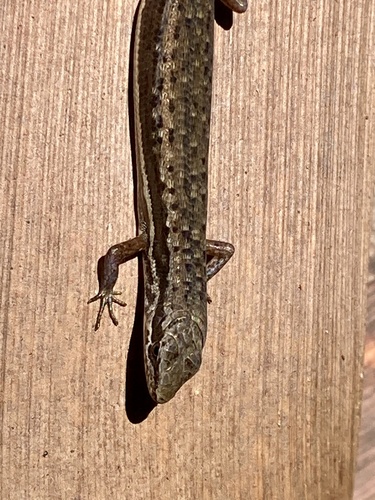
The land mullet (Bellatorias major) is one of the largest members of the skink family (Scincidae). Wikipedia →
50–60% of wildlife watchers report a Land Mullet sighting in Springbrook National Park, based on 167 days of visitor records from GBIF citizen-science data.
Closest Relatives at Springbrook National Park

Major Skink
Bellatorias frerei

Blue-speckled Forest Skink
Silvascincus murrayi

Eastern Water Skink
Eulamprus quoyii

Pink-Tongued Lizard
Cyclodomorphus gerrardii

Dark Barsided Skink
Concinnia martini

Gully Shadeskink
Saproscincus spectabilis

Rainbow Skink
Lampropholis delicata

Common Bluetongue
Tiliqua scincoides

Bar-sided Skink
Concinnia tenuis

Short-limbed Snake-skink
Ophioscincus truncatus

Open-litter Rainbow Skink
Carlia pectoralis
Highland Forest Skink
Saproscincus rosei
📅 Monthly Probability
☀️ When They're Spotted
Most active during daytime hours (6am–6pm) · across all parks (global)
Global Distribution
Where this species is recorded worldwide. Restricted to human observations from 2019 onwards — the same kind of record and the same period the probabilities on this page are built from, so collar-tracking studies, camera-trap arrays and museum specimens are excluded. Around Santa Rosa that removes 5,924 GPS fixes from a handful of tagged jaguars.
where this species is recorded (GBIF density — it tracks where observers go, not how likely a sighting is) · parks where it occurs — tap a pin for the sighting probability there
Parks Where Found
| # | Park | Country | Probability |
|---|---|---|---|
| 1 | Lamington National Park | 🇦🇺 Australia | |
| 2 | Springbrook National Park | 🇦🇺 Australia |
Quick answers
What are the chances of seeing a Land Mullet in Springbrook National Park?
About 52% of wildlife watchers report a Land Mullet sighting in Springbrook National Park, based on 167 days of visitor records from GBIF citizen-science data.
When is the best time to see Land Mullet in Springbrook National Park?
December has the highest sighting rate for Land Mullet in Springbrook National Park in our monthly data.