Tijuca National Park
🇧🇷 Brazil
🐒 Capuchin and Toucan City ForestTijuca is Atlantic forest inside Rio de Janeiro, replanted in the 19th century and now dense enough to hold its own fauna. Black-horned capuchins are recorded on nearly nine visits in ten and channel-billed toucans on more than half.
-22.949° S 43.287° W
Wildlife
⭐ Iconic Species
 ★
★ Mono Cai
Sapajus nigritus
 ★
★ Channel-billed Toucan
Ramphastos vitellinus
 ★
★ South American Coati
Nasua nasua
 ★
★ Green-headed Tanager
Tangara seledon
📊 Most Spotted

Great Kiskadee
Pitangus sulphuratus

Bananaquit
Coereba flaveola

Southern House Wren
Troglodytes musculus

Palm Tanager
Thraupis palmarum

Ruddy Ground-Dove
Columbina talpacoti

Rufous-bellied Thrush
Turdus rufiventris

Pale-breasted Thrush
Turdus leucomelas

Black Vulture
Coragyps atratus

Gray-headed Tody-Flycatcher
Todirostrum poliocephalum

Masked Water-Tyrant
Fluvicola nengeta

Social Flycatcher
Myiozetetes similis

Plain Parakeet
Brotogeris tirica
⭐ Iconic Species
📊 Most Spotted

Black-pencilled Marmoset
Callithrix penicillata

Common Marmoset
Callithrix jacchus

Capybara
Hydrochoerus hydrochaeris

Brown-throated Sloth
Bradypus variegatus

Big-eared Opossum
Didelphis aurita
Paraguaian Hairy Dwarf Porcupine
Sphiggurus spinosus

Crested Agouti
Dasyprocta leporina

Nine-banded Armadillo
Dasypus novemcinctus

Spotted Paca
Cuniculus paca

Crab-eating Raccoon
Procyon cancrivorus

Southern Tamandua
Tamandua tetradactyla

Falkland Fur Seal
Arctocephalus australis
⭐ Iconic Species
📊 Most Spotted
Great Kiskadee
Pitangus sulphuratus
Bananaquit
Coereba flaveola
Southern House Wren
Troglodytes musculus
Palm Tanager
Thraupis palmarum
Ruddy Ground-Dove
Columbina talpacoti
Rufous-bellied Thrush
Turdus rufiventris
Pale-breasted Thrush
Turdus leucomelas
Black Vulture
Coragyps atratus
Gray-headed Tody-Flycatcher
Todirostrum poliocephalum
Masked Water-Tyrant
Fluvicola nengeta
Social Flycatcher
Myiozetetes similis
Plain Parakeet
Brotogeris tirica
📊 Most Spotted

Amazon Lava Lizard
Tropidurus torquatus

Argentine Black-and-white Tegu
Salvator merianae

Red-tailed Boa
Boa constrictor

Tropical House Gecko
Hemidactylus mabouia

Yarará Lancehead
Bothrops jararaca

South American Yellowfoot Tortoise
Chelonoidis denticulatus

Military Ground Snake
Erythrolamprus miliaris
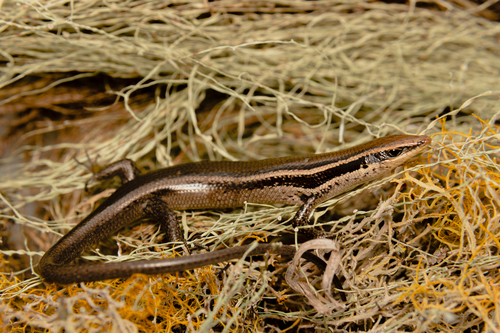
Hoge's Mabuya
Psychosaura macrorhyncha

Painted Coral Snake
Micrurus corallinus

Brown Sipo
Chironius fuscus

Two-headed Sipo
Chironius bicarinatus

Coastal Sipo
Chironius foveatus
📊 Most Spotted

Ornate Forest toad
Rhinella ornata

Gaudichaud's Frog
Crossodactylus gaudichaudii

Santa Catarina Tree Toad
Hylodes nasus

White-edged Treefrog
Boana albomarginata

Military River Frog
Thoropa miliaris

Elegant Forest Tree Frog
Dendropsophus elegans

Spotted Leaf Frog
Phasmahyla guttata

Blacksmith Tree Frog
Boana faber

Goeldi's Frog
Fritziana goeldii
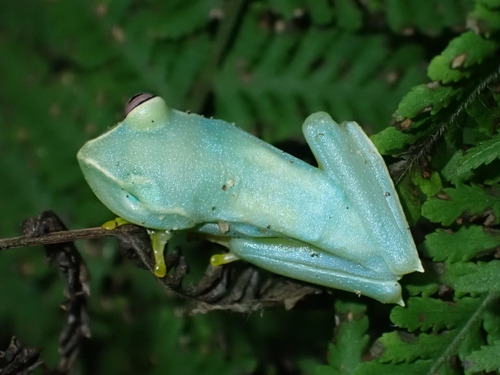
White-fronted Tree Frog
Aplastodiscus albofrenatus

Steindachner's Robber Frog
Ischnocnema guentheri

Striped Toad
Rhinella crucifer
Animal Events
Stream Frogs Call in the Rains
Ornate toads and torrent frogs breed in the forest streams and call after dark.
Capuchins and Coatis on the Trails
Black-horned capuchin troops and coati bands work the forest trails and picnic areas.
Toucans and Tanagers in
Channel-billed toucans call from the ridge and green-headed tanagers feed in mixed flocks.
Sighting Calendar
Chance of spotting each species, month by month
Sighting Zones
Warm areas are where all species together are recorded most, so they track where people go as much as where animals are. For one species, see the map on its own page.
Where Wildlife Score
How good is this park for seeing wildlife?Biodiversity
ExcellentHow rich is the wildlife?
Sighting
GoodHow likely to see animals?
Quick answers
What animals can you see in Tijuca National Park?
The most likely sightings are Great Kiskadee (seen by 80–90% of wildlife watchers), Bananaquit (seen by 70–80% of wildlife watchers), Southern House Wren (seen by 70–80% of wildlife watchers), Palm Tanager (seen by 70–80% of wildlife watchers), Ruddy Ground-Dove (seen by 60–70% of wildlife watchers) — among 1214 recorded vertebrate species, based on citizen-science data from GBIF.
When is the best time to visit Tijuca National Park for wildlife?
December has the highest combined sighting rate for the park's top species in our month-by-month GBIF data. The full sighting calendar on this page shows each species' best months.
Can you see Mono Cai in Tijuca National Park?
Yes — about 47% of wildlife watchers report a Mono Cai sighting in Tijuca National Park, based on 163 days of visitor records from GBIF citizen-science data.
Can you see Channel-billed Toucan in Tijuca National Park?
Yes — about 56% of wildlife watchers report a Channel-billed Toucan sighting in Tijuca National Park, based on 801 days of visitor records from GBIF citizen-science data.
Can you see South American Coati in Tijuca National Park?
Yes — about 43% of wildlife watchers report a South American Coati sighting in Tijuca National Park, based on 135 days of visitor records from GBIF citizen-science data.
Can you see Green-headed Tanager in Tijuca National Park?
Yes — about 50% of wildlife watchers report a Green-headed Tanager sighting in Tijuca National Park, based on 716 days of visitor records from GBIF citizen-science data.


