Vicente Pérez Rosales National Park
🇨🇱 Chile
🐦 Magellanic Woodpecker Echoes Through ValleysVicente Pérez Rosales National Park sits in Chile’s Lake District, a mosaic of volcanic lakes, Andean foothills and temperate rainforest. The park’s dense Nothofagus forest and moss‑laden understory give it a character distinct from the neighboring steppe parks, offering a cool, damp woodland experience.
-41.135° S 72.068° W
Wildlife
⭐ Iconic Species
 ★
★ Southern Pudú
Pudu puda
 ★
★ Magellanic Woodpecker
Campephilus magellanicus
 ★
★ Güiña
Leopardus guigna
 ★
★ Chucao Tapaculo
Scelorchilus rubecula
📊 Most Spotted

Pampas Fox
Lycalopex gymnocercus

Green-backed Firecrown
Sephanoides sephaniodes

Painted Tree Iguana
Liolaemus pictus

Austral Thrush
Turdus falcklandii

Thorn-tailed Rayadito
Aphrastura spinicauda

Patagonian Sierra-Finch
Phrygilus patagonicus

White-crested Elaenia
Elaenia albiceps

Chilean Swallow
Tachycineta leucopyga

Southern House Wren
Troglodytes musculus

Dark-bellied Cinclodes
Cinclodes patagonicus

Black Vulture
Coragyps atratus

Tufted Tit-Tyrant
Anairetes parulus
⭐ Iconic Species
📊 Most Spotted
Pampas Fox
Lycalopex gymnocercus

Culpeo
Lycalopex culpaeus

Southern Monito del Monte
Dromiciops gliroides

Brown Hare
Lepus europaeus

Southern River Otter
Lontra provocax

Elk
Cervus elaphus
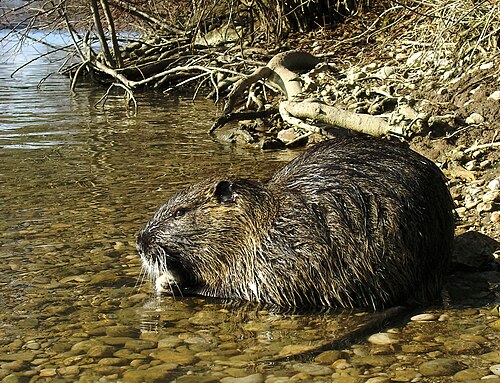
Coypu
Myocastor coypus

Cinnamon Red Bat
Lasiurus varius

Olive Grass Mouse
Abrothrix olivaceus

Mexican Free-tailed Bat
Tadarida brasiliensis

Mountain Lion
Puma concolor

Northern Mountain Viscacha
Lagidium viscacia
⭐ Iconic Species
📊 Most Spotted
Green-backed Firecrown
Sephanoides sephaniodes
Austral Thrush
Turdus falcklandii
Thorn-tailed Rayadito
Aphrastura spinicauda
Patagonian Sierra-Finch
Phrygilus patagonicus
White-crested Elaenia
Elaenia albiceps
Chilean Swallow
Tachycineta leucopyga
Southern House Wren
Troglodytes musculus
Dark-bellied Cinclodes
Cinclodes patagonicus
Black Vulture
Coragyps atratus
Tufted Tit-Tyrant
Anairetes parulus

Crested Caracara
Caracara plancus

Fire-eyed Diucon
Xolmis pyrope

📊 Most Spotted

Marbled Wood Frog
Batrachyla antartandica

Gray Wood Frog
Batrachyla leptopus

Emerald Forest Frog
Hylorina sylvatica
Chiloe Island Ground Frog
Eupsophus calcaratus

Emilio's Ground Frog
Eupsophus emiliopugini

Chilean Four-eyed Frog
Pleurodema thaul

Olive Spiny-chest Frog
Alsodes verrucosus

Darwin's Frog
Rhinoderma darwinii

Banded Wood Frog
Batrachyla taeniata
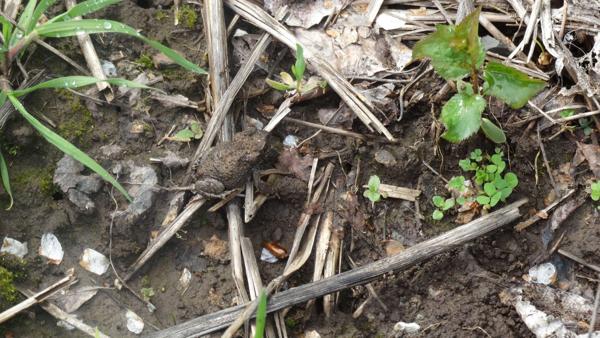
Red-Spotted Toad
Rhinella rubropunctata

Warty Toad
Rhinella spinulosa
Pelado Mountains False Toad
Telmatobufo australis
Animal Events
Magellanic Woodpecker Breeding Season
Pairs of Magellanic woodpeckers breed and excavate nests in old-growth forest in austral spring, when drumming and sightings peak in the Petrohué sector.
Monito del Monte Active Season
The relict marsupial monito del monte is active and feeding in the warm months before entering winter torpor, when detections in the park peak.
Valdivian Forest Frog Chorus
Austral-summer breeding activity of the temperate rainforest's endemic frogs, including the famous Darwin's frog, calling from the moss and leaf litter.
Sighting Calendar
Chance of spotting each species, month by month
Sighting Zones
Warm areas are where all species together are recorded most, so they track where people go as much as where animals are. For one species, see the map on its own page.
Where Wildlife Score
How good is this park for seeing wildlife?Biodiversity
GoodHow rich is the wildlife?
Sighting
Very goodHow likely to see animals?
Quick answers
What animals can you see in Vicente Pérez Rosales National Park?
The most likely sightings are Pampas Fox (seen by 80–90% of wildlife watchers), Green-backed Firecrown (seen by 80–90% of wildlife watchers), Painted Tree Iguana (seen by 70–80% of wildlife watchers), Chucao Tapaculo (seen by 70–80% of wildlife watchers), Austral Thrush (seen by 70–80% of wildlife watchers) — among 300 recorded vertebrate species, based on citizen-science data from GBIF.
When is the best time to visit Vicente Pérez Rosales National Park for wildlife?
December has the highest combined sighting rate for the park's top species in our month-by-month GBIF data. The full sighting calendar on this page shows each species' best months.
Can you see Southern Pudú in Vicente Pérez Rosales National Park?
Yes — about 25% of wildlife watchers report a Southern Pudú sighting in Vicente Pérez Rosales National Park, based on 16 days of visitor records from GBIF citizen-science data.
Can you see Magellanic Woodpecker in Vicente Pérez Rosales National Park?
Yes — about 16% of wildlife watchers report a Magellanic Woodpecker sighting in Vicente Pérez Rosales National Park, based on 85 days of visitor records from GBIF citizen-science data.
Can you see Güiña in Vicente Pérez Rosales National Park?
Yes — about 18% of wildlife watchers report a Güiña sighting in Vicente Pérez Rosales National Park, based on 8 days of visitor records from GBIF citizen-science data.
Can you see Chucao Tapaculo in Vicente Pérez Rosales National Park?
Yes — about 77% of wildlife watchers report a Chucao Tapaculo sighting in Vicente Pérez Rosales National Park, based on 414 days of visitor records from GBIF citizen-science data.


