Yala National Park
🇱🇰 Sri Lanka
🐆 Leopards Prowl the Dry ScrublandYala National Park sits on the southeastern tip of Sri Lanka, combines tropical dry forest, savanna grassland and coastal lagoons. The landscape supports a trio of iconic mammals: Asian elephants wander the grasslands and river edges, mugger crocodiles bask on the banks of the park’s water bodies, and leopards stalk the dense forest patches.
6.548° N 81.393° E
Wildlife
⭐ Iconic Species
 ★
★ Leopard
Panthera pardus
 ★
★ Asian Elephant
Elephas maximus
 ★
★ Sloth Bear
Melursus ursinus
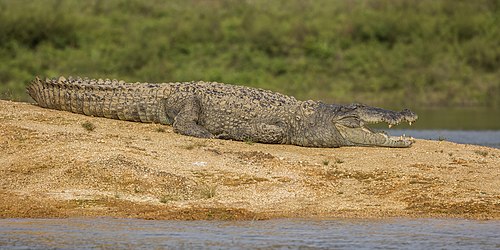 ★
★ Mugger Crocodile
Crocodylus palustris
📊 Most Spotted

Pearl-necked Dove
Spilopelia chinensis

Common Peafowl
Pavo cristatus

Axis Deer
Axis axis

Tufted Langur
Semnopithecus priam

Bengal Monitor
Varanus bengalensis

Red-wattled Lapwing
Vanellus indicus

Asian Green Bee-eater
Merops orientalis

Rose-ringed Parakeet
Psittacula krameri

Ruddy Mongoose
Herpestes smithii

Black-headed Ibis
Threskiornis melanocephalus

White-throated Kingfisher
Halcyon smyrnensis

Indian Pond Heron
Ardeola grayii
⭐ Iconic Species
★ Leopard
Panthera pardus
★ Asian Elephant
Elephas maximus
★ Sloth Bear
Melursus ursinus
📊 Most Spotted
Axis Deer
Axis axis
Tufted Langur
Semnopithecus priam
Ruddy Mongoose
Herpestes smithii

Wild Water Buffalo
Bubalus arnee

Wild Boar
Sus scrofa

Indian Hare
Lepus nigricollis

Indian Flying Fox
Pteropus medius

Sambar
Rusa unicolor

Asian Jackal
Canis aureus

Toque Macaque
Macaca sinica

Stripe-necked Mongoose
Herpestes vitticollis

Sri Lankan Giant Squirrel
Ratufa macroura
📊 Most Spotted
Pearl-necked Dove
Spilopelia chinensis
Common Peafowl
Pavo cristatus
Red-wattled Lapwing
Vanellus indicus
Asian Green Bee-eater
Merops orientalis
Rose-ringed Parakeet
Psittacula krameri
Black-headed Ibis
Threskiornis melanocephalus
White-throated Kingfisher
Halcyon smyrnensis
Indian Pond Heron
Ardeola grayii

Grey Heron
Ardea cinerea

Indian Robin
Saxicoloides fulicatus

Painted Stork
Mycteria leucocephala

Brahminy Kite
Haliastur indus
⭐ Iconic Species
📊 Most Spotted
Bengal Monitor
Varanus bengalensis

Oriental Garden Lizard
Calotes versicolor

Indian Star Tortoise
Geochelone elegans

Sri Lankan Flapshell Turtle
Lissemys ceylonensis

Common Green Forest Lizard
Calotes calotes
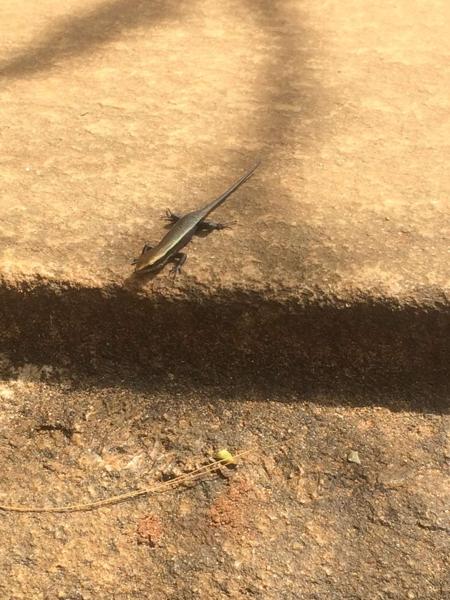
Sri Lanka Bronze Skink
Eutropis madaraszi

Indian Black Turtle
Melanochelys trijuga

Dhaman
Ptyas mucosa

Common Water Monitor
Varanus salvator
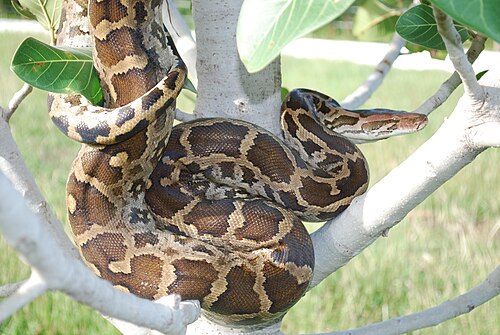
Indian Python
Python molurus

Ceylon Bloodsucker
Calotes ceylonensis

Bark Gecko
Hemidactylus leschenaultii
📊 Most Spotted

Chunam Tree Frog
Polypedates maculatus

Common skittering frog
Euphlyctis cyanophlyctis

Indian Five-Fingered Frog
Euphlyctis hexadactylus

Jerdon's Bullfrog
Hoplobatrachus crassus

Common Indian Cricket Frog
Minervarya agricola

Common Indian Toad
Duttaphrynus melanostictus

Rohan's Globular Frog
Uperodon rohani

Schneider's Toad
Duttaphrynus scaber

Sri Lankan Bullfrog
Uperodon taprobanicus

Sri Lanka wood frog
Hydrophylax gracilis

Mihintale Red Narrow-mouthed Frog
Microhyla mihintalei

Common Hourglass Tree Frog
Polypedates cruciger
Animal Events
Leopard and Sloth Bear Mating and Foraging Season
During the drier mid-to-late months, vegetation thins out and animals concentrate around shrinking water sources, significantly boosting predator visibility and sloth bear activity around palu fruit trees.
Migratory and Resident Waterbird Breeding Gathering
The interplay of seasonal monsoons and receding water levels creates rich feeding grounds in Yala's lagoons, attracting large congregations of wading birds and raptors.

Dry Season Herbivore Concentration
As drought conditions peak, large herds of herbivores gather around the remaining permanent water reservoirs, accompanied by active avian predators.
Sighting Calendar
Chance of spotting each species, month by month
Sighting Zones
Warm areas are where all species together are recorded most, so they track where people go as much as where animals are. For one species, see the map on its own page.
Where Wildlife Score
How good is this park for seeing wildlife?Biodiversity
GoodHow rich is the wildlife?
Sighting
ExcellentHow likely to see animals?
Quick answers
What animals can you see in Yala National Park?
The most likely sightings are Pearl-necked Dove (seen by 80–90% of wildlife watchers), Common Peafowl (seen by 80–90% of wildlife watchers), Axis Deer (seen by 80–90% of wildlife watchers), Asian Elephant (seen by 70–80% of wildlife watchers), Mugger Crocodile (seen by 70–80% of wildlife watchers) — among 703 recorded vertebrate species, based on citizen-science data from GBIF.
When is the best time to visit Yala National Park for wildlife?
February has the highest combined sighting rate for the park's top species in our month-by-month GBIF data. The full sighting calendar on this page shows each species' best months.
Can you see Leopard in Yala National Park?
Yes — about 71% of wildlife watchers report a Leopard sighting in Yala National Park, based on 159 days of visitor records from GBIF citizen-science data.
Can you see Asian Elephant in Yala National Park?
Yes — about 79% of wildlife watchers report a Asian Elephant sighting in Yala National Park, based on 226 days of visitor records from GBIF citizen-science data.
Can you see Sloth Bear in Yala National Park?
Yes — about 38% of wildlife watchers report a Sloth Bear sighting in Yala National Park, based on 40 days of visitor records from GBIF citizen-science data.
Can you see Mugger Crocodile in Yala National Park?
Yes — about 79% of wildlife watchers report a Mugger Crocodile sighting in Yala National Park, based on 219 days of visitor records from GBIF citizen-science data.


