Aigüestortes National Park
🇪🇸 Spain
🐿️ Marmots Whistle Among Alpine LakesAigüestortes National Park is a protected area of high mountains and temperate forests in the Pyrenees of northern Spain. Its landscape is defined by granite peaks, steep valleys, tumbling rivers, and nearly two hundred glacial lakes. This terrain creates a distinct environment of dense pine woods and high alpine meadows that differs from the arid lowlands surrounding the region.
42.633° N 0.968° E
Wildlife
⭐ Iconic Species
 ★
★ Pyrenean Chamois
Rupicapra pyrenaica
 ★
★ Common Wall Lizard
Podarcis muralis
 ★
★ European Common Frog
Rana temporaria
📊 Most Spotted

Chaffinch
Fringilla coelebs

Great Tit
Parus major

Griffon Vulture
Gyps fulvus

European Robin
Erithacus rubecula

Eurasian Blackbird
Turdus merula

Coal Tit
Periparus ater
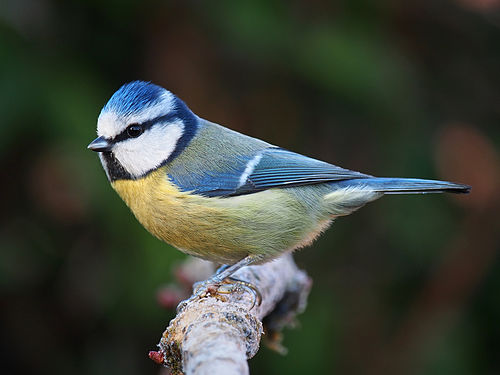
Blue Tit
Cyanistes caeruleus

Black Redstart
Phoenicurus ochruros

White Wagtail
Motacilla alba

Alpine Marmot
Marmota marmota

Carrion Crow
Corvus corone

Blackcap
Sylvia atricapilla
⭐ Iconic Species
📊 Most Spotted
Alpine Marmot
Marmota marmota

Fallow Deer
Dama dama

Elk
Cervus elaphus

Western Roe Deer
Capreolus capreolus

Red Fox
Vulpes vulpes
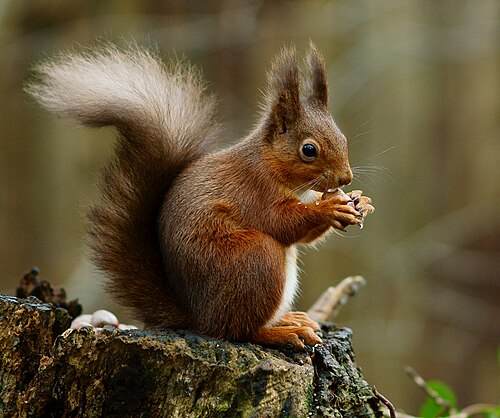
Eurasian Red Squirrel
Sciurus vulgaris

Brown Bear
Ursus arctos

Brown Hare
Lepus europaeus

Edible Dormouse
Glis glis

Greater Horseshoe Bat
Rhinolophus ferrumequinum

Stone Marten
Martes foina

Bank Vole
Myodes glareolus
📊 Most Spotted
Chaffinch
Fringilla coelebs
Great Tit
Parus major
Griffon Vulture
Gyps fulvus
European Robin
Erithacus rubecula
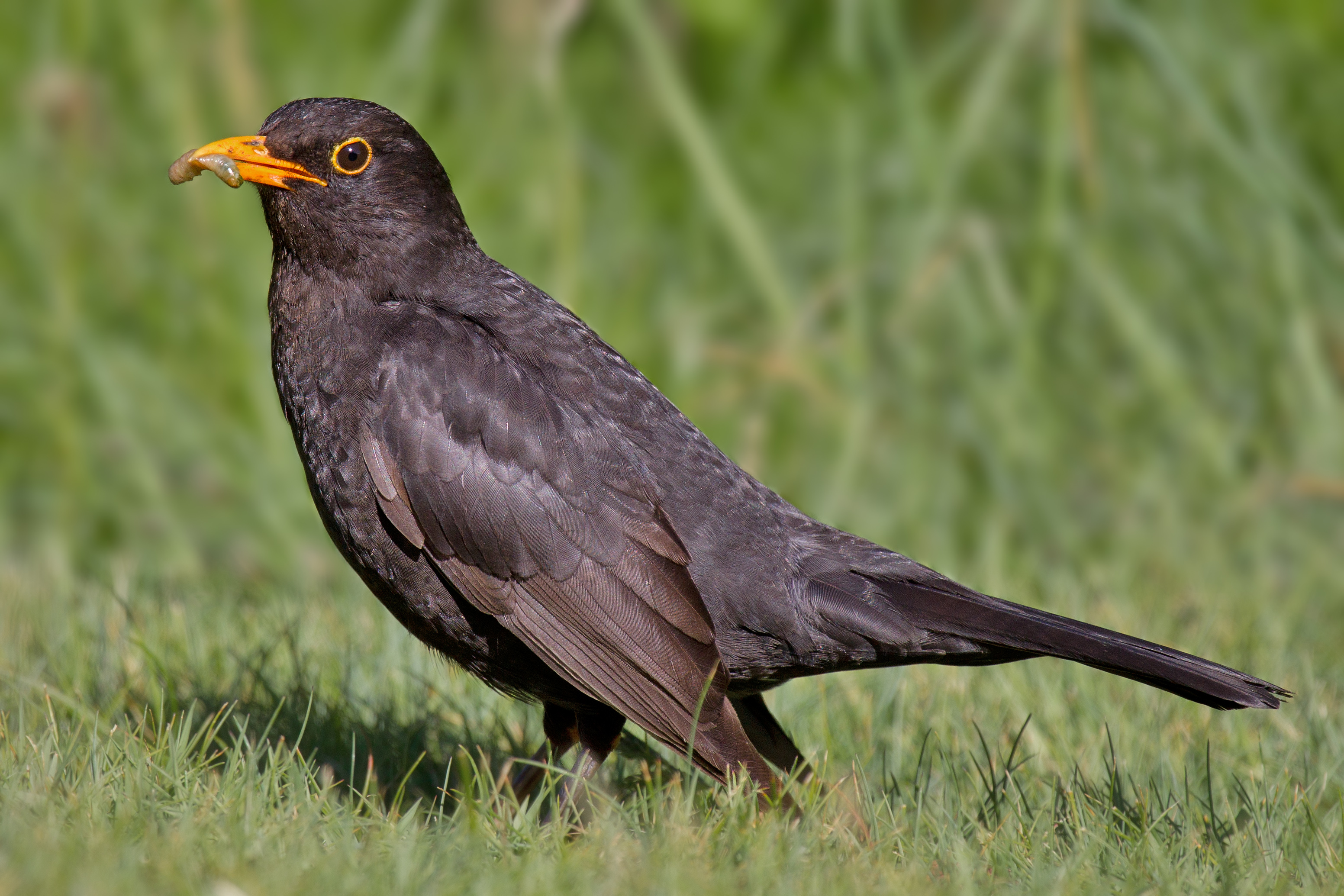
Eurasian Blackbird
Turdus merula
Coal Tit
Periparus ater
Blue Tit
Cyanistes caeruleus
Black Redstart
Phoenicurus ochruros
White Wagtail
Motacilla alba
Carrion Crow
Corvus corone
Blackcap
Sylvia atricapilla

Eurasian Crag Martin
Ptyonoprogne rupestris
⭐ Iconic Species
📊 Most Spotted

Asp Viper
Vipera aspis

Western Green Lizard
Lacerta bilineata

Viviparous Lizard
Zootoca vivipara

Aran Rock Lizard
Iberolacerta aranica

Catalonian Wall Lizard
Podarcis liolepis

Slow Worm
Anguis fragilis

Green Whip Snake
Hierophis viridiflavus

Large Psammodromus
Psammodromus algirus

Pyrenean Rock Lizard
Iberolacerta bonnali

Viperine Snake
Natrix maura

Southern Smooth Snake
Coronella girondica

Smooth Snake
Coronella austriaca
⭐ Iconic Species
📊 Most Spotted

Giant Toad
Bufo spinosus

Pyrenean Brook Salamander
Calotriton asper
Fire Salamander
Salamandra salamandra

Common Midwife Toad
Alytes obstetricans

Iberian Green Frog
Pelophylax perezi

Catalonian Midwife Toad
Alytes almogavarii

Palmate Newt
Lissotriton helveticus

Pyrenean frog
Rana pyrenaica
Animal Events
Alpine Marmot Emergence
Alpine marmots emerge from hibernation and gather in colonies to bask on sunny rocks, often seen whistling warnings at visitors.
Pyrenean Brook Salamander Breeding
During warm summer nights, the Pyrenean Brook Salamander congregates in clear mountain streams to breed, laying eggs under submerged rocks.
Red Deer Rutting Season
Male red deer engage in dramatic roaring contests and battles to establish dominance during the autumn rut, drawing eerie echoes across the valleys.
Sighting Calendar
Chance of spotting each species, month by month
Sighting Zones
Warm areas are where all species together are recorded most, so they track where people go as much as where animals are. For one species, see the map on its own page.
Where Wildlife Score
How good is this park for seeing wildlife?Biodiversity
GoodHow rich is the wildlife?
Sighting
GoodHow likely to see animals?
Quick answers
What animals can you see in Aigüestortes National Park?
The most likely sightings are Common Wall Lizard (seen by 80–90% of wildlife watchers), European Common Frog (seen by 80–90% of wildlife watchers), Chaffinch (seen by 70–80% of wildlife watchers), Great Tit (seen by 60–70% of wildlife watchers), Griffon Vulture (seen by 60–70% of wildlife watchers) — among 439 recorded vertebrate species, based on citizen-science data from GBIF.
When is the best time to visit Aigüestortes National Park for wildlife?
June has the highest combined sighting rate for the park's top species in our month-by-month GBIF data. The full sighting calendar on this page shows each species' best months.
Can you see Pyrenean Chamois in Aigüestortes National Park?
Yes — about 50% of wildlife watchers report a Pyrenean Chamois sighting in Aigüestortes National Park, based on 55 days of visitor records from GBIF citizen-science data.
Can you see Common Wall Lizard in Aigüestortes National Park?
Yes — about 84% of wildlife watchers report a Common Wall Lizard sighting in Aigüestortes National Park, based on 223 days of visitor records from GBIF citizen-science data.
Can you see European Common Frog in Aigüestortes National Park?
Yes — about 81% of wildlife watchers report a European Common Frog sighting in Aigüestortes National Park, based on 192 days of visitor records from GBIF citizen-science data.
Explore Other Parks
 📍 77 km 🦅 Griffon Vultures Soar Over Monte Perdido
 Ordesa y Monte Perdido National Park
 📍 82 km 🐐 Pyrenean Chamois Above the Cirques
 Pyrénées National Park
_young_male_Cumnor.jpg?width=1920) 📍 282 km 🦅 Griffon Vultures Over the Gorges
📍 282 km 🦅 Griffon Vultures Over the Gorges Cévennes National Park
_male_(14487390465).jpg?width=1920) 📍 449 km 🦅 Griffon Vulture Soaring Guadarrama Cliffs
📍 449 km 🦅 Griffon Vulture Soaring Guadarrama Cliffs