Cévennes National Park
🇫🇷 France
🦅 Griffon Vultures Over the GorgesCévennes National Park lies in the heart of south‑central France, straddling the Massif Central and the Mediterranean foothills. Its rugged limestone ridges, deep valleys and patches of Mediterranean scrub create a mosaic of oak, pine and rocky outcrops that feels distinct from the neighboring Atlantic‑influenced reserves.
44.245° N 3.666° E
Wildlife
⭐ Iconic Species
 ★
★ Griffon Vulture
Gyps fulvus
 ★
★ Western Roe Deer
Capreolus capreolus
 ★
★ Common Wall Lizard
Podarcis muralis
📊 Most Spotted

Chaffinch
Fringilla coelebs

Great Tit
Parus major

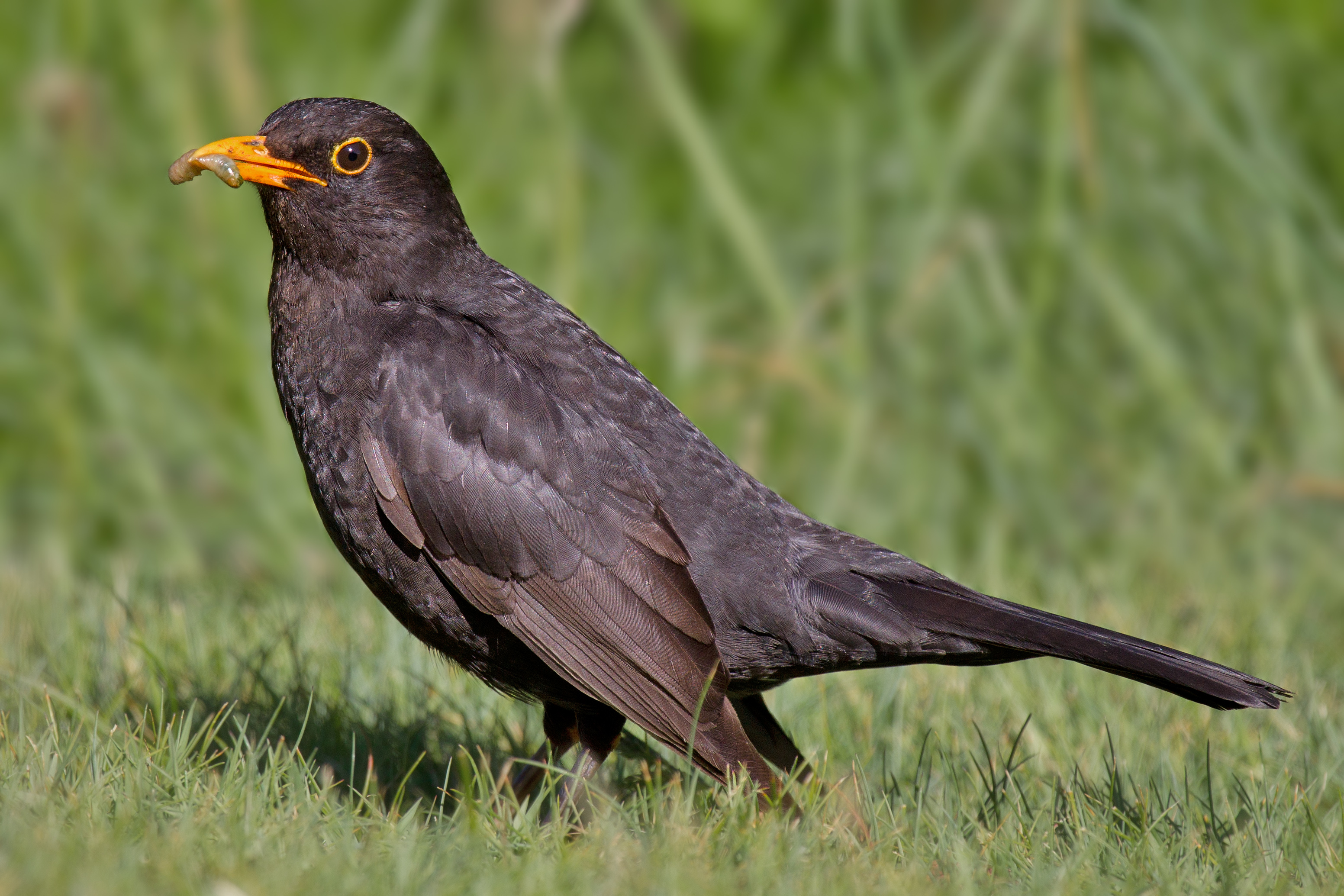
Eurasian Blackbird
Turdus merula

Western Green Lizard
Lacerta bilineata

Carrion Crow
Corvus corone

European Robin
Erithacus rubecula

Blackcap
Sylvia atricapilla

Giant Toad
Bufo spinosus
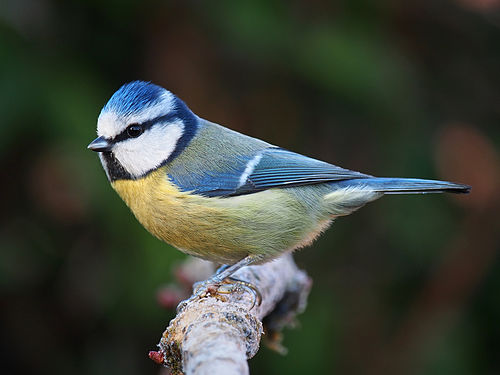
Blue Tit
Cyanistes caeruleus

Wood Pigeon
Columba palumbus

Viperine Snake
Natrix maura
Fire Salamander
Salamandra salamandra
⭐ Iconic Species
📊 Most Spotted

Wild Boar
Sus scrofa

Red Fox
Vulpes vulpes

Eurasian Beaver
Castor fiber

Takhi
Equus przewalskii

Northern Small-spotted Genet
Genetta genetta

European Badger
Meles meles

Eurasian Otter
Lutra lutra

Stone Marten
Martes foina

Lesser Horseshoe Bat
Rhinolophus hipposideros

Elk
Cervus elaphus
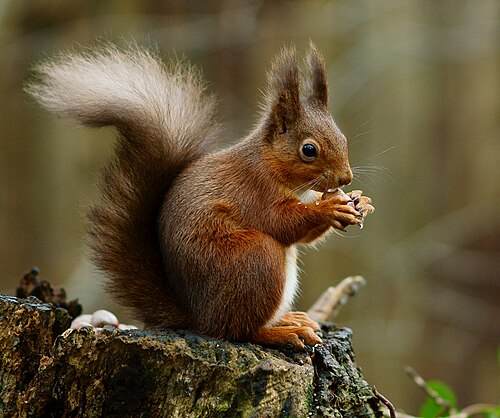
Eurasian Red Squirrel
Sciurus vulgaris
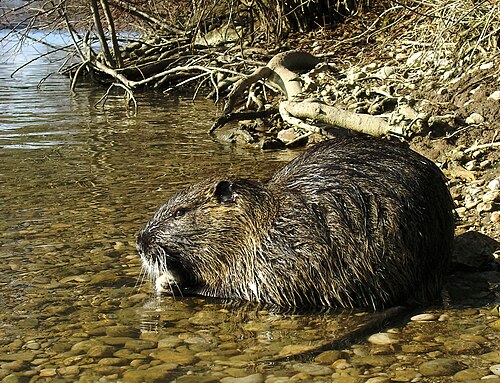
Coypu
Myocastor coypus
⭐ Iconic Species
📊 Most Spotted
Chaffinch
Fringilla coelebs
Great Tit
Parus major
Eurasian Blackbird
Turdus merula
Carrion Crow
Corvus corone
European Robin
Erithacus rubecula
Blackcap
Sylvia atricapilla
Blue Tit
Cyanistes caeruleus
Wood Pigeon
Columba palumbus

Black Redstart
Phoenicurus ochruros

Eurasian Jay
Garrulus glandarius

Eurasian Crag Martin
Ptyonoprogne rupestris

Common Swift
Apus apus
⭐ Iconic Species
📊 Most Spotted
Western Green Lizard
Lacerta bilineata
Viperine Snake
Natrix maura

Catalonian Wall Lizard
Podarcis liolepis

Slow Worm
Anguis fragilis

Moorish Gecko
Tarentola mauritanica

Aesculapian Snake
Zamenis longissimus

Montpellier Snake
Malpolon monspessulanus

Ocellated Lizard
Timon lepidus

barred grass snake
Natrix helvetica

Green Whip Snake
Hierophis viridiflavus

Asp Viper
Vipera aspis

Southern Smooth Snake
Coronella girondica
📊 Most Spotted
Giant Toad
Bufo spinosus
Fire Salamander
Salamandra salamandra

European Common Frog
Rana temporaria

Mediterranean Tree Frog
Hyla meridionalis

Palmate Newt
Lissotriton helveticus

Common Midwife Toad
Alytes obstetricans

Common Parsley Frog
Pelodytes punctatus

Natterjack Toad
Epidalea calamita

Iberian Spadefoot Toad
Pelobates cultripes

Marsh Frog
Pelophylax ridibundus

Marbled Newt
Triturus marmoratus

Alpine Newt
Ichthyosaura alpestris
Animal Events
Griffon Vulture Nesting Season
Thousands of Griffon Vultures gather to nest and rear chicks on rocky cliffs, creating dramatic aerial displays and communal roosts visible from key viewpoints.
Fire Salamander Breeding
After rains, Fire Salamanders emerge to breed in clear, cold streams, their striking black-and-yellow patterns visible along forest paths and watercourses.
Autumn Bat Migration
Bats such as Lesser Horseshoe and Common Pipistrelle migrate and forage intensively before hibernation, with echolocation calls audible at dusk and swarms of insects attracting night hunters.

Sighting Calendar
Chance of spotting each species, month by month
Sighting Zones
Warm areas are where all species together are recorded most, so they track where people go as much as where animals are. For one species, see the map on its own page.
Where Wildlife Score
How good is this park for seeing wildlife?Biodiversity
GoodHow rich is the wildlife?
Sighting
GoodHow likely to see animals?
Quick answers
What animals can you see in Cévennes National Park?
The most likely sightings are Chaffinch (seen by 70–80% of wildlife watchers), Great Tit (seen by 60–70% of wildlife watchers), Common Wall Lizard (seen by 60–70% of wildlife watchers), Eurasian Blackbird (seen by 50–60% of wildlife watchers), Western Green Lizard (seen by 50–60% of wildlife watchers) — among 515 recorded vertebrate species, based on citizen-science data from GBIF.
When is the best time to visit Cévennes National Park for wildlife?
May has the highest combined sighting rate for the park's top species in our month-by-month GBIF data. The full sighting calendar on this page shows each species' best months.
Can you see Griffon Vulture in Cévennes National Park?
Yes — about 52% of wildlife watchers report a Griffon Vulture sighting in Cévennes National Park, based on 168 days of visitor records from GBIF citizen-science data.
Can you see Western Roe Deer in Cévennes National Park?
Yes — about 28% of wildlife watchers report a Western Roe Deer sighting in Cévennes National Park, based on 74 days of visitor records from GBIF citizen-science data.
Can you see Common Wall Lizard in Cévennes National Park?
Yes — about 62% of wildlife watchers report a Common Wall Lizard sighting in Cévennes National Park, based on 359 days of visitor records from GBIF citizen-science data.