Ankarafantsika National Park
🇲🇬 Madagascar
🐒 Coquerel's Sifakas Leaping Through Dry ForestsAnkarafantsika National Park is a protected area of tropical dry forest situated in northwestern Madagascar. Visitors walk along sandy tracks beneath towering deciduous trees and past scattered savanna pockets, experiencing a landscape markedly different from the eastern rainforests.
-16.137° S 47.120° E
Wildlife
⭐ Iconic Species
 ★
★ Coquerel's Sifaka
Propithecus coquereli
 ★
★ Oustalet's Giant Chameleon
Furcifer oustaleti
 ★
★ Henkel's Leaf-tailed Gecko
Uroplatus henkeli
📊 Most Spotted

Crested Drongo
Dicrurus forficatus

Madagascar Paradise-Flycatcher
Terpsiphone mutata

Cuvier's Madagascar Swift
Oplurus cuvieri

Western Girdled Lizard
Zonosaurus laticaudatus

Madagascar Bulbul
Hypsipetes madagascariensis

Koch's Giant Day Gecko
Phelsuma kochi

Souimanga Sunbird
Cinnyris sovimanga

Madagascar Magpie-Robin
Copsychus albospecularis

Common Newtonia
Newtonia brunneicauda

Giant Madagascan Hognose Snake
Leioheterodon madagascariensis

Rhinoceros Chameleon
Furcifer rhinoceratus

Crested Coua
Coua cristata
⭐ Iconic Species
📊 Most Spotted

Milne-Edwards' Sportive Lemur
Lepilemur edwardsi

Lorenz Von Liburnau’s Woolly Lemur
Avahi occidentalis

Common Brown Lemur
Eulemur fulvus

Grey Mouse-lemur
Microcebus murinus

Mongoose Lemur
Eulemur mongoz

Western Fat-tailed Dwarf Lemur
Cheirogaleus medius

Golden-brown Mouse Lemur
Microcebus ravelobensis

Mauritian Tomb Bat
Taphozous mauritianus

dormouse tufted-tailed rat
Eliurus myoxinus
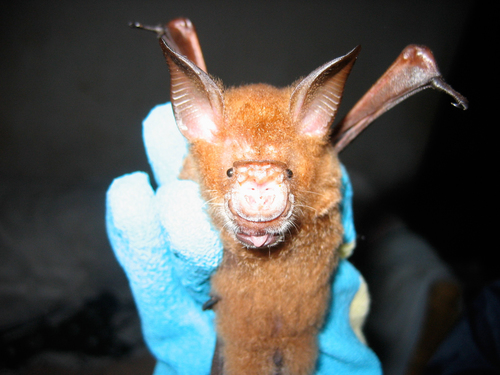
Commerson's Roundleaf Bat
Macronycteris commersonii
Western sucker-footed bat
Myzopoda schliemanni

Greater Hedgehog Tenrec
Setifer setosus
📊 Most Spotted
Crested Drongo
Dicrurus forficatus
Madagascar Paradise-Flycatcher
Terpsiphone mutata
Madagascar Bulbul
Hypsipetes madagascariensis
Souimanga Sunbird
Cinnyris sovimanga
Madagascar Magpie-Robin
Copsychus albospecularis
Common Newtonia
Newtonia brunneicauda
Crested Coua
Coua cristata

Long-billed Bernieria
Bernieria madagascariensis

Lesser Vasa-Parrot
Coracopsis nigra

Broad-billed Roller
Eurystomus glaucurus

Madagascar Bee-eater
Merops superciliosus

Squacco Heron
Ardeola ralloides
⭐ Iconic Species
★ Oustalet's Giant Chameleon
Furcifer oustaleti
★ Henkel's Leaf-tailed Gecko
Uroplatus henkeli
📊 Most Spotted
Cuvier's Madagascar Swift
Oplurus cuvieri
Western Girdled Lizard
Zonosaurus laticaudatus
Koch's Giant Day Gecko
Phelsuma kochi
Giant Madagascan Hognose Snake
Leioheterodon madagascariensis
Rhinoceros Chameleon
Furcifer rhinoceratus

Nosy Komba ground boa
Sanzinia volontany

Madagascar Ground Boa
Acrantophis madagascariensis

Madagascar Cat-eyed Snake
Madagascarophis colubrinus

Blonde Hognose Snake
Leioheterodon modestus

Elegant Mabuya
Trachylepis elegans
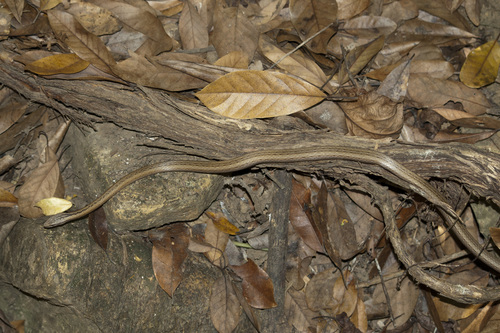
Northern Pencil Snake
Mimophis occultus

Gunther's Flat-tail Gecko
Uroplatus guentheri
📊 Most Spotted

Madagascar Bullfrog
Laliostoma labrosum

Mascarene Ridged Frog
Ptychadena mascareniensis

Western Bright-eyed Frog
Boophis doulioti
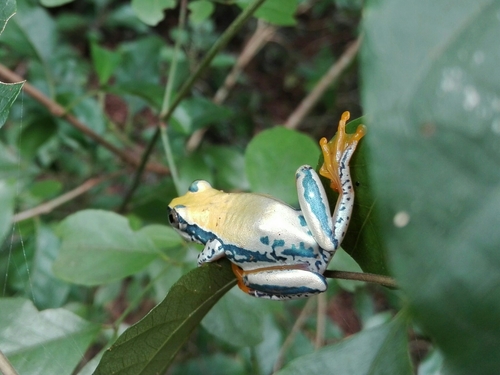
Three-color Reed Frog
Heterixalus tricolor

Moquard's Burrowing Frog
Scaphiophryne calcarata

Antsouhy tomato frog
Dyscophus insularis

Witte's Madagascar Frog
Blommersia wittei
Animal Events
Coquerel's Sifaka Mating Season
During the rainy season, Coquerel's Sifaka engage in energetic mating displays with vocalizations, leaping between trees and performing acrobatic jumps to attract mates. This period coincides with increased food availability, making it a prime time for observing social behaviors.
Reptile Nesting Boom
As temperatures rise and humidity peaks, reptiles such as the Giant Madagascan Hognose Snake and Western Girdled Lizard emerge to nest, with females laying eggs in sandy or leaf-littered soil. This coincides with increased hatchling activity, offering unique opportunities to observe juvenile reptiles.
Nocturnal Lemur Foraging Peak
During the dry season, nocturnal lemurs like the Fat-tailed Dwarf Lemur and Gray Mouse Lemur increase their foraging activity to build fat reserves for hibernation. This period offers exceptional nighttime wildlife viewing, with lemurs actively searching for fruits and insects.
Sighting Calendar
Chance of spotting each species, month by month
Sighting Zones
Warm areas are where all species together are recorded most, so they track where people go as much as where animals are. For one species, see the map on its own page.
Where Wildlife Score
How good is this park for seeing wildlife?Biodiversity
GoodHow rich is the wildlife?
Sighting
ExcellentHow likely to see animals?
Quick answers
What animals can you see in Ankarafantsika National Park?
The most likely sightings are Crested Drongo (seen by 80–90% of wildlife watchers), Oustalet's Giant Chameleon (seen by 80–90% of wildlife watchers), Madagascar Paradise-Flycatcher (seen by 80–90% of wildlife watchers), Coquerel's Sifaka (seen by 80–90% of wildlife watchers), Cuvier's Madagascar Swift (seen by 80–90% of wildlife watchers) — among 438 recorded vertebrate species, based on citizen-science data from GBIF.
When is the best time to visit Ankarafantsika National Park for wildlife?
October has the highest combined sighting rate for the park's top species in our month-by-month GBIF data. The full sighting calendar on this page shows each species' best months.
Can you see Coquerel's Sifaka in Ankarafantsika National Park?
Yes — about 85% of wildlife watchers report a Coquerel's Sifaka sighting in Ankarafantsika National Park, based on 69 days of visitor records from GBIF citizen-science data.
Can you see Oustalet's Giant Chameleon in Ankarafantsika National Park?
Yes — about 88% of wildlife watchers report a Oustalet's Giant Chameleon sighting in Ankarafantsika National Park, based on 81 days of visitor records from GBIF citizen-science data.
Can you see Henkel's Leaf-tailed Gecko in Ankarafantsika National Park?
Yes — about 32% of wildlife watchers report a Henkel's Leaf-tailed Gecko sighting in Ankarafantsika National Park, based on 7 days of visitor records from GBIF citizen-science data.


