


Giant Madagascan Hognose Snake
Leioheterodon madagascariensis
- KingdomAnimalia (Animals)
- PhylumChordata (Cordats)
- ClassSquamata
- FamilyPseudoxyrhophiidae (Madagascar Brook Snakes)
- GenusLeioheterodon (Madagascar Hognose Snakes)
- SpeciesLeioheterodon madagascariensis (Giant Madagascan Hognose Snake)
Leioheterodon madagascariensis, the Malagasy, Madagascar or Madagascan giant hognose (snake), is a harmless species of pseudoxyrhophiid snake endemic to the island nation of Madagascar. The species is also found on the country's smaller islands of Nosy Be, Nosy Mangabe, and Nosy Sakatia, as well as on the Comoros archipelago, in the Mozambique Channel. It is thought, by some, to have been introduced to the Grande Comoro. Mature giant hognose snakes can measure between 130 and 180 cm (4 ft. to nearly 6 ft., or between 1-2 meters) in length, and be roughly the thickness of an average adult human's arm. Similarly to the Heterodon or Lystrophis genera of new-world hognoses, the Madagascar giant hognose, when threatened, will raise its head, open its mouth and inflate the skin around its neck and chin, superficially mimicking a cobra (or even a bearded dragon) in defensive posture, in an attempt to look larger and more intimidating. Wikipedia →
70–80% of wildlife watchers report a Giant Madagascan Hognose Snake sighting in Ankarafantsika National Park, based on 41 days of visitor records from GBIF citizen-science data.
Closest Relatives at Ankarafantsika National Park

Blonde Hognose Snake
Leioheterodon modestus

Madagascar Cat-eyed Snake
Madagascarophis colubrinus
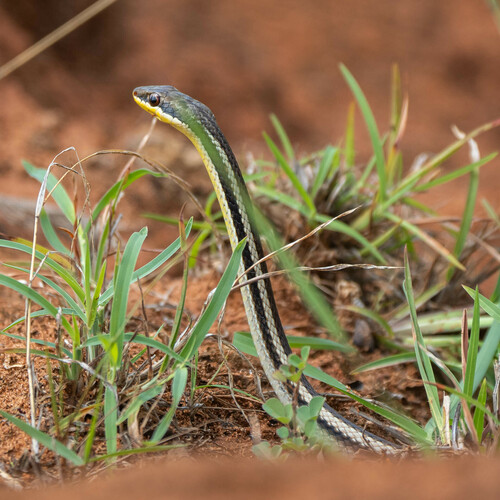
Bernier's Striped Snake
Dromicodryas bernieri
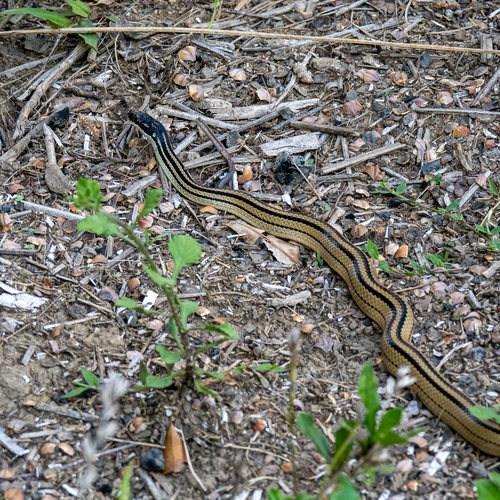
Four-striped Snake
Dromicodryas quadrilineatus

Madagascar Leaf-nosed Snake
Langaha madagascariensis

Tiny Night Snake
Ithycyphus miniatus
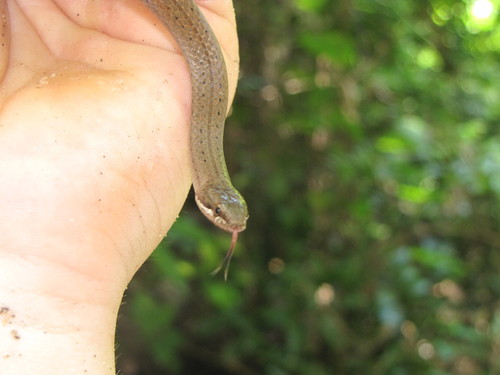
White-lipped Smooth Snake
Liophidium torquatum
_(9629535604).jpg)
Vaillant's Madagascar Ground Snake
Liophidium vaillanti
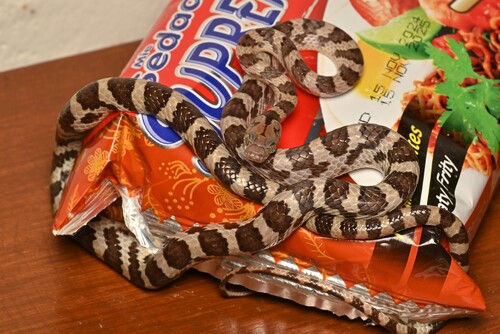
Ampijoroa Tree Snake
Lycodryas pseudogranuliceps
📅 Monthly Probability
☀️ When They're Spotted
Most active during daytime hours (6am–6pm) · across all parks (global)
Global Distribution
Where this species is recorded worldwide. Restricted to human observations from 2019 onwards — the same kind of record and the same period the probabilities on this page are built from, so collar-tracking studies, camera-trap arrays and museum specimens are excluded. Around Santa Rosa that removes 5,924 GPS fixes from a handful of tagged jaguars.
where this species is recorded (GBIF density — it tracks where observers go, not how likely a sighting is) · parks where it occurs — tap a pin for the sighting probability there
Parks Where Found
| # | Park | Country | Probability |
|---|---|---|---|
| 1 | Ankarafantsika National Park | 🇲🇬 Madagascar | |
| 2 | Ranomafana National Park | 🇲🇬 Madagascar |
Quick answers
What are the chances of seeing a Giant Madagascan Hognose Snake in Ankarafantsika National Park?
About 74% of wildlife watchers report a Giant Madagascan Hognose Snake sighting in Ankarafantsika National Park, based on 41 days of visitor records from GBIF citizen-science data.
When is the best time to see Giant Madagascan Hognose Snake in Ankarafantsika National Park?
April has the highest sighting rate for Giant Madagascan Hognose Snake in Ankarafantsika National Park in our monthly data.