Bavarian Forest National Park
🇩🇪 Germany
🐆 Lynx Country in the Bohemian ForestBavarian Forest National Park sits in the low mountain range of southeastern Germany, forming a continuous stretch of temperate forest that borders the Czech Republic. The park preserves primeval woodlands, sandstone outcrops and clear streams, creating a mosaic of habitats that differ from the alpine scenery of nearby national parks.
49.100° N 12.854° E
Wildlife
⭐ Iconic Species
 ★
★ Western Roe Deer
Capreolus capreolus
 ★
★ Eurasian Lynx
Lynx lynx
 ★
★ Eurasian Beaver
Castor fiber
 ★
★ Common Buzzard
Buteo buteo
📊 Most Spotted

Eurasian Blackbird
Turdus merula

Great Tit
Parus major
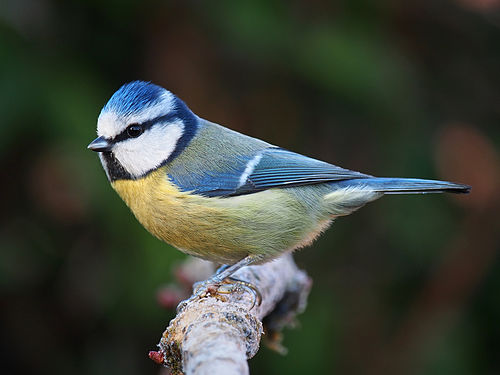
Blue Tit
Cyanistes caeruleus

Chaffinch
Fringilla coelebs

Common Chiffchaff
Phylloscopus collybita

Mallard
Anas platyrhynchos

Carrion Crow
Corvus corone

European Robin
Erithacus rubecula

Great Spotted Woodpecker
Dendrocopos major

Eurasian Wren
Troglodytes troglodytes

Wood Pigeon
Columba palumbus

European Toad
Bufo bufo
⭐ Iconic Species
★ Western Roe Deer
Capreolus capreolus
★ Eurasian Lynx
Lynx lynx
★ Eurasian Beaver
Castor fiber
📊 Most Spotted

Brown Hare
Lepus europaeus
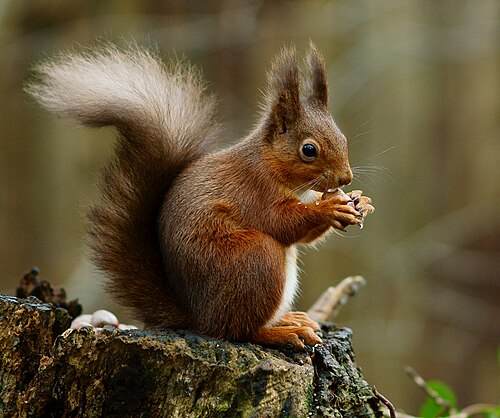
Eurasian Red Squirrel
Sciurus vulgaris

Common Hedgehog
Erinaceus europaeus
European Mole
Talpa europaea

Red Fox
Vulpes vulpes
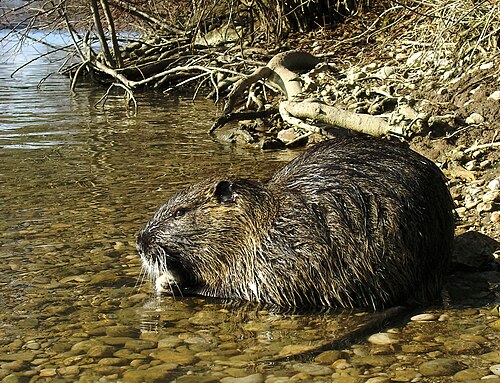
Coypu
Myocastor coypus

Elk
Cervus elaphus

Muskrat
Ondatra zibethicus

Wild Boar
Sus scrofa

Stone Marten
Martes foina

European Badger
Meles meles

Yellow-necked Field Mouse
Apodemus flavicollis
⭐ Iconic Species
📊 Most Spotted
Eurasian Blackbird
Turdus merula
Great Tit
Parus major
Blue Tit
Cyanistes caeruleus
Chaffinch
Fringilla coelebs
Common Chiffchaff
Phylloscopus collybita
Mallard
Anas platyrhynchos
Carrion Crow
Corvus corone
European Robin
Erithacus rubecula
Great Spotted Woodpecker
Dendrocopos major
Eurasian Wren
Troglodytes troglodytes
Wood Pigeon
Columba palumbus

Blackcap
Sylvia atricapilla
📊 Most Spotted

Slow Worm
Anguis fragilis

Common Wall Lizard
Podarcis muralis

Sand Lizard
Lacerta agilis

Viviparous Lizard
Zootoca vivipara

grass snake
Natrix natrix

Adder
Vipera berus

Smooth Snake
Coronella austriaca

Green Lizard
Lacerta viridis

Aesculapian Snake
Zamenis longissimus

Tessellated Water Snake
Natrix tessellata

Pond Slider
Trachemys scripta
📊 Most Spotted
European Toad
Bufo bufo

European Common Frog
Rana temporaria
Fire Salamander
Salamandra salamandra

Yellow-bellied Toad
Bombina variegata

Agile Frog
Rana dalmatina

Alpine Newt
Ichthyosaura alpestris

European Tree Frog
Hyla arborea

Smooth Newt
Lissotriton vulgaris

Green Toad
Bufotes viridis

Moor Frog
Rana arvalis

Natterjack Toad
Epidalea calamita

Marsh Frog
Pelophylax ridibundus
Animal Events
Spring Bird Migration
Thousands of migratory birds pass through the park, boosting bird activity and sightings.
Summer Amphibian Breeding
Amphibians gather in ponds to breed, making them highly visible and audible.
Autumn Mammal Rut
Deer and predators become more active during the rut, increasing chances to spot them.
Sighting Calendar
Chance of spotting each species, month by month
Sighting Zones
Warm areas are where all species together are recorded most, so they track where people go as much as where animals are. For one species, see the map on its own page.
Where Wildlife Score
How good is this park for seeing wildlife?Biodiversity
GoodHow rich is the wildlife?
Sighting
GoodHow likely to see animals?
Quick answers
What animals can you see in Bavarian Forest National Park?
The most likely sightings are Eurasian Blackbird (seen by 70–80% of wildlife watchers), Great Tit (seen by 70–80% of wildlife watchers), Blue Tit (seen by 60–70% of wildlife watchers), Chaffinch (seen by 60–70% of wildlife watchers), Common Chiffchaff (seen by 60–70% of wildlife watchers) — among 487 recorded vertebrate species, based on citizen-science data from GBIF.
When is the best time to visit Bavarian Forest National Park for wildlife?
April has the highest combined sighting rate for the park's top species in our month-by-month GBIF data. The full sighting calendar on this page shows each species' best months.
Can you see Western Roe Deer in Bavarian Forest National Park?
Yes — about 36% of wildlife watchers report a Western Roe Deer sighting in Bavarian Forest National Park, based on 134 days of visitor records from GBIF citizen-science data.
Can you see Eurasian Lynx in Bavarian Forest National Park?
It's possible but not guaranteed: about 8% of wildlife watchers report a Eurasian Lynx sighting in Bavarian Forest National Park, based on 13 days of visitor records from GBIF citizen-science data. Sightings take luck and time in the field.
Can you see Eurasian Beaver in Bavarian Forest National Park?
Yes — about 34% of wildlife watchers report a Eurasian Beaver sighting in Bavarian Forest National Park, based on 121 days of visitor records from GBIF citizen-science data.
Can you see Common Buzzard in Bavarian Forest National Park?
Yes — about 38% of wildlife watchers report a Common Buzzard sighting in Bavarian Forest National Park, based on 480 days of visitor records from GBIF citizen-science data.

_in_Breeding_Plumage%2C_Cape_May_County%2C_New_Jersey%2C_USA_(cropped).png?width=1920)

