Cairngorms National Park
🇬🇧 United Kingdom
🐿️ Red Squirrels in Caledonian PinewoodCairngorms National Park lies in the heart of the Scottish Highlands, covering rugged granite peaks, deep glacial lochs and extensive temperate conifer forest. Its ancient Caledonian pine woods and high‑plateau moorlands give it a character distinct from the rolling lowlands of nearby parks.
57.098° N 3.557° W
Wildlife
⭐ Iconic Species
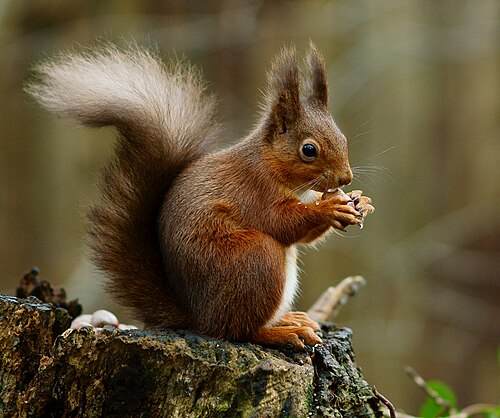 ★
★ Eurasian Red Squirrel
Sciurus vulgaris
 ★
★ Elk
Cervus elaphus
 ★
★ Mountain Hare
Lepus timidus
 ★
★ Adder
Vipera berus
📊 Most Spotted

Chaffinch
Fringilla coelebs

Wood Pigeon
Columba palumbus

European Robin
Erithacus rubecula

Coal Tit
Periparus ater

European Toad
Bufo bufo
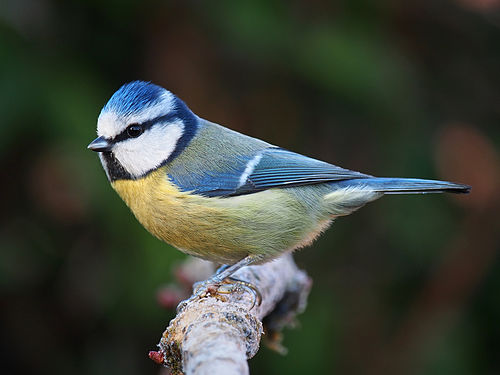
Blue Tit
Cyanistes caeruleus

Great Tit
Parus major

Mallard
Anas platyrhynchos

European Common Frog
Rana temporaria

Eurasian Siskin
Spinus spinus

Eurasian Wren
Troglodytes troglodytes

Eurasian Blackbird
Turdus merula
⭐ Iconic Species
★ Eurasian Red Squirrel
Sciurus vulgaris
★ Elk
Cervus elaphus
★ Mountain Hare
Lepus timidus
📊 Most Spotted

Western Roe Deer
Capreolus capreolus

European Rabbit
Oryctolagus cuniculus

Brown Hare
Lepus europaeus

European Badger
Meles meles

Pine Marten
Martes martes

Eurasian Beaver
Castor fiber
European Mole
Talpa europaea

Caribou
Rangifer tarandus

European Wood Mouse
Apodemus sylvaticus

Bank Vole
Myodes glareolus

Field Vole
Microtus agrestis

Common Hedgehog
Erinaceus europaeus
📊 Most Spotted
Chaffinch
Fringilla coelebs
Wood Pigeon
Columba palumbus
European Robin
Erithacus rubecula
Coal Tit
Periparus ater
Blue Tit
Cyanistes caeruleus
Great Tit
Parus major
Mallard
Anas platyrhynchos
Eurasian Siskin
Spinus spinus
Eurasian Wren
Troglodytes troglodytes
Eurasian Blackbird
Turdus merula

Common Buzzard
Buteo buteo

Willow Warbler
Phylloscopus trochilus
⭐ Iconic Species
📊 Most Spotted


Animal Events
Spring Breeding and Amphibian Emergence
As milder spring weather arrives, amphibians emerge from hibernation and birds begin their intensive breeding and territorial displays.
Summer Upland Activity
Long daylight hours bring peak foraging activity for upland birds, mammals, and active reptiles across the varied terrain.
Autumn Rut and Woodland Foraging
The autumn season brings dramatic deer rutting behavior alongside woodland residents frantically caching food for winter.
Sighting Calendar
Chance of spotting each species, month by month
Sighting Zones
Warm areas are where all species together are recorded most, so they track where people go as much as where animals are. For one species, see the map on its own page.
Where Wildlife Score
How good is this park for seeing wildlife?Biodiversity
GoodHow rich is the wildlife?
Sighting
GoodHow likely to see animals?
Quick answers
What animals can you see in Cairngorms National Park?
The most likely sightings are Chaffinch (seen by 80–90% of wildlife watchers), Wood Pigeon (seen by 70–80% of wildlife watchers), European Robin (seen by 70–80% of wildlife watchers), Coal Tit (seen by 60–70% of wildlife watchers), European Toad (seen by 60–70% of wildlife watchers) — among 338 recorded vertebrate species, based on citizen-science data from GBIF.
When is the best time to visit Cairngorms National Park for wildlife?
September has the highest combined sighting rate for the park's top species in our month-by-month GBIF data. The full sighting calendar on this page shows each species' best months.
Can you see Eurasian Red Squirrel in Cairngorms National Park?
Yes — about 54% of wildlife watchers report a Eurasian Red Squirrel sighting in Cairngorms National Park, based on 171 days of visitor records from GBIF citizen-science data.
Can you see Elk in Cairngorms National Park?
Yes — about 43% of wildlife watchers report a Elk sighting in Cairngorms National Park, based on 109 days of visitor records from GBIF citizen-science data.
Can you see Mountain Hare in Cairngorms National Park?
Yes — about 33% of wildlife watchers report a Mountain Hare sighting in Cairngorms National Park, based on 68 days of visitor records from GBIF citizen-science data.
Can you see Adder in Cairngorms National Park?
Yes — about 32% of wildlife watchers report a Adder sighting in Cairngorms National Park, based on 64 days of visitor records from GBIF citizen-science data.


