Snowdonia National Park
🇬🇧 United Kingdom
🐦 European Robin Melodies Echo Snowdonia PeaksSnowdonia National Park sits in northwest Wales, forming a dramatic protected expanse of rugged peaks, deep glacial valleys, and ancient temperate forests. Unlike the low-rolling chalk hills found across much of southern Britain, this terrain rises sharply from coastal estuaries into high, craggy mountains carved by ice, sheltering dense Atlantic oak woodlands within its lower sheltered basins.
52.859° N 3.784° W
Wildlife
⭐ Iconic Species
 ★
★ European Robin
Erithacus rubecula
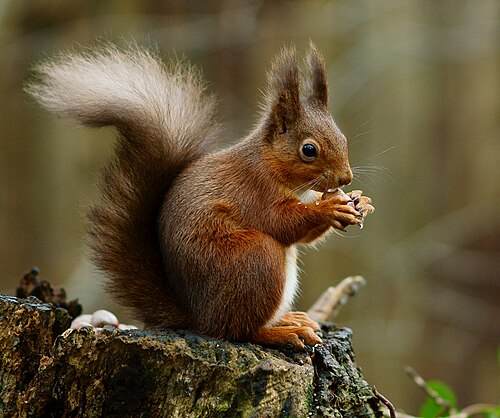 ★
★ Eurasian Red Squirrel
Sciurus vulgaris
 ★
★ Common Buzzard
Buteo buteo
 ★
★ European Oystercatcher
Haematopus ostralegus
📊 Most Spotted

Carrion Crow
Corvus corone

European Herring Gull
Larus argentatus

Eurasian Blackbird
Turdus merula
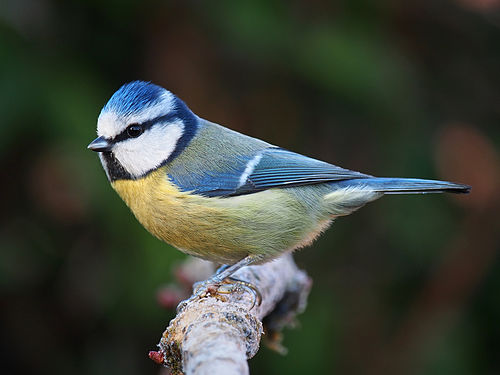
Blue Tit
Cyanistes caeruleus

Wood Pigeon
Columba palumbus

Great Tit
Parus major

Eurasian Magpie
Pica pica

Mallard
Anas platyrhynchos

Chaffinch
Fringilla coelebs

Viviparous Lizard
Zootoca vivipara

Eurasian Wren
Troglodytes troglodytes

Dunnock
Prunella modularis
⭐ Iconic Species
📊 Most Spotted

Gray Seal
Halichoerus grypus

Eastern Gray Squirrel
Sciurus carolinensis

European Rabbit
Oryctolagus cuniculus
European Mole
Talpa europaea
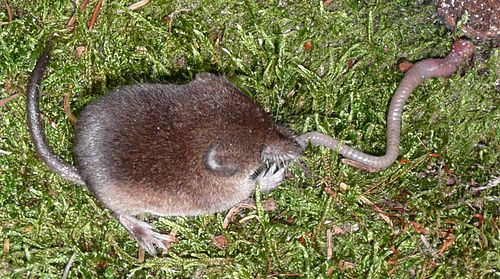
Common Shrew
Sorex araneus

Red Fox
Vulpes vulpes

Common Hedgehog
Erinaceus europaeus

Common Porpoise
Phocoena phocoena

European Wood Mouse
Apodemus sylvaticus

European Badger
Meles meles

Bank Vole
Myodes glareolus

Brown Hare
Lepus europaeus
⭐ Iconic Species
★ European Robin
Erithacus rubecula
★ Common Buzzard
Buteo buteo
★ European Oystercatcher
Haematopus ostralegus
📊 Most Spotted
Carrion Crow
Corvus corone
European Herring Gull
Larus argentatus
Eurasian Blackbird
Turdus merula
Blue Tit
Cyanistes caeruleus
Wood Pigeon
Columba palumbus
Great Tit
Parus major
Eurasian Magpie
Pica pica
Mallard
Anas platyrhynchos
Chaffinch
Fringilla coelebs
Eurasian Wren
Troglodytes troglodytes
Dunnock
Prunella modularis

Eurasian Goldfinch
Carduelis carduelis


Animal Events
Autumn Bird Migration
Coastal estuaries and lakes host large numbers of migrating waders and gulls as they head south.

Spring Breeding Rush
Woodland birds intensify nesting, filling the forests with song.

Summer Highland Mammal Activity
Upland areas see heightened activity of mammals as they forage in the alpine meadows.

Sighting Calendar
Chance of spotting each species, month by month
Sighting Zones
Warm areas are where all species together are recorded most, so they track where people go as much as where animals are. For one species, see the map on its own page.
Where Wildlife Score
How good is this park for seeing wildlife?Biodiversity
GoodHow rich is the wildlife?
Sighting
GoodHow likely to see animals?
Quick answers
What animals can you see in Snowdonia National Park?
The most likely sightings are European Robin (seen by 70–80% of wildlife watchers), Carrion Crow (seen by 70–80% of wildlife watchers), European Herring Gull (seen by 70–80% of wildlife watchers), Eurasian Blackbird (seen by 70–80% of wildlife watchers), Blue Tit (seen by 60–70% of wildlife watchers) — among 454 recorded vertebrate species, based on citizen-science data from GBIF.
When is the best time to visit Snowdonia National Park for wildlife?
March has the highest combined sighting rate for the park's top species in our month-by-month GBIF data. The full sighting calendar on this page shows each species' best months.
Can you see European Robin in Snowdonia National Park?
Yes — about 77% of wildlife watchers report a European Robin sighting in Snowdonia National Park, based on 1,305 days of visitor records from GBIF citizen-science data.
Can you see Eurasian Red Squirrel in Snowdonia National Park?
Yes — about 19% of wildlife watchers report a Eurasian Red Squirrel sighting in Snowdonia National Park, based on 26 days of visitor records from GBIF citizen-science data.
Can you see Common Buzzard in Snowdonia National Park?
Yes — about 38% of wildlife watchers report a Common Buzzard sighting in Snowdonia National Park, based on 640 days of visitor records from GBIF citizen-science data.
Can you see European Oystercatcher in Snowdonia National Park?
Yes — about 51% of wildlife watchers report a European Oystercatcher sighting in Snowdonia National Park, based on 868 days of visitor records from GBIF citizen-science data.


_young_male_Cumnor.jpg?width=1920)