Coiba National Park
🇵🇦 Panama
🐒 Endemic Howler Monkeys & Whale SharksCoiba National Park is a remote protected marine and coastal sanctuary situated off the Pacific coast of Panama, encompassing dense tropical rainforests, sheltered mangroves, and pristine coral reefs. This isolated island refuge remains largely untouched by mainland development, preserving wild habitats that stay remarkably intact.
7.486° N 81.723° W
Wildlife
⭐ Iconic Species
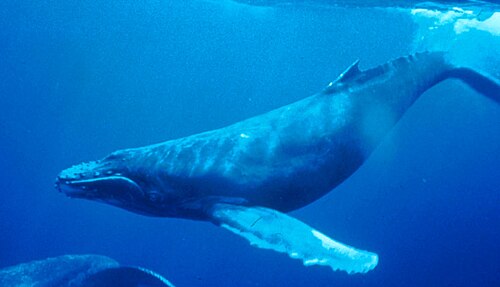 ★
★ Humpback Whale
Megaptera novaeangliae
 ★
★ Whitetip Reef Shark
Triaenodon obesus
 ★
★ Whale Shark
Rhincodon typus
 ★
★ Scarlet Macaw
Ara macao
📊 Most Spotted

Hawksbill
Eretmochelys imbricata
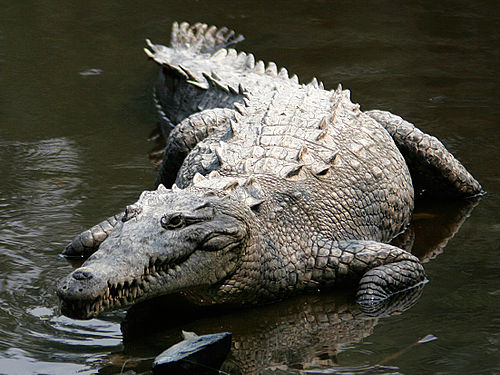
American Crocodile
Crocodylus acutus

Black Vulture
Coragyps atratus

Green Turtle
Chelonia mydas
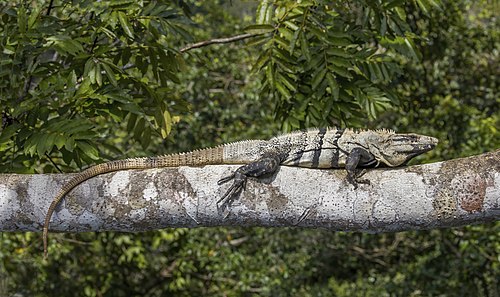
Black Spiny-tailed Iguana
Ctenosaura similis

Lance-tailed Manakin
Chiroxiphia lanceolata

Rufous-tailed Hummingbird
Amazilia tzacatl

Bananaquit
Coereba flaveola

Barred Antshrike
Thamnophilus doliatus

Crimson-backed Tanager
Ramphocelus dimidiatus

Magnificent Frigatebird
Fregata magnificens

Red-crowned Woodpecker
Melanerpes rubricapillus
⭐ Iconic Species
📊 Most Spotted

Mantled Howler Monkey
Alouatta palliata

Coiban Agouti
Dasyprocta coibae

Central American White-faced Capuchin
Cebus imitator

Pantropical Spotted Dolphin
Stenella attenuata

Bottlenose Dolphin
Tursiops truncatus

White-tailed Deer
Odocoileus virginianus

Central American Agouti
Dasyprocta punctata

Common Opossum
Didelphis marsupialis

Eden's Whale
Balaenoptera edeni

Killer Whale
Orcinus orca
⭐ Iconic Species
📊 Most Spotted
Black Vulture
Coragyps atratus
Lance-tailed Manakin
Chiroxiphia lanceolata
Rufous-tailed Hummingbird
Amazilia tzacatl
Bananaquit
Coereba flaveola
Barred Antshrike
Thamnophilus doliatus
Crimson-backed Tanager
Ramphocelus dimidiatus
Magnificent Frigatebird
Fregata magnificens
Red-crowned Woodpecker
Melanerpes rubricapillus

Southern House Wren
Troglodytes musculus

Great-tailed Grackle
Quiscalus mexicanus

Brown Pelican
Pelecanus occidentalis

Tropical Gnatcatcher
Polioptila plumbea
📊 Most Spotted
Hawksbill
Eretmochelys imbricata
American Crocodile
Crocodylus acutus
Green Turtle
Chelonia mydas
Black Spiny-tailed Iguana
Ctenosaura similis

Common Basilisk
Basiliscus basiliscus

Green Iguana
Iguana iguana

Yellow-bellied Sea Snake
Hydrophis platurus

Common House Gecko
Hemidactylus frenatus
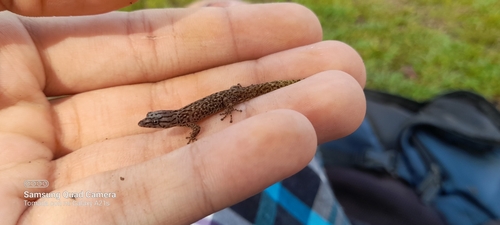
Caribbean Least Gecko
Sphaerodactylus homolepis
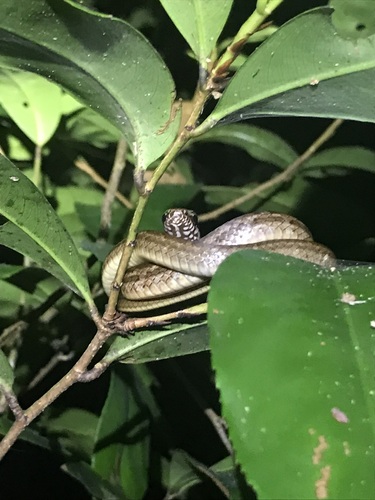
Central American Lizard Eater
Mastigodryas alternatus

Central American Coral Snake
Micrurus nigrocinctus

Degenhardt's Scorpion-eating Snake
Stenorrhina degenhardtii
📊 Most Spotted

Giant Marine Toad
Rhinella horribilis

Green and Black Dart-poison Frog
Dendrobates auratus

Guayaquil Dwarf Frog
Engystomops pustulosus

Savage's Thin-toed Frog
Leptodactylus savagei

Pugnosed Tree Frog
Smilisca sila

Mexican White-lipped Frog
Leptodactylus fragilis
⭐ Iconic Species
📊 Most Spotted

Leopard Round Ray
Urobatis pardalis

longtail stingray
Hypanus longus

Pacific Eagle Ray
Aetobatus laticeps

Munk's Pygmy Devil Ray
Mobula munkiana

Gorgona Guitarfish
Pseudobatos prahli

Pacific Nurse Shark
Ginglymostoma unami

Oceanic Manta Ray
Mobula birostris

Requiem shark
Carcharhinus limbatus

Southern Banded Guitarfish
Zapteryx xyster

Target ray
Diplobatis ommata

Pacific chupare whipray
Styracura pacifica
Animal Events
Humpback Whale Season
Humpback whales that migrated up from the southern hemisphere gather in Coiba's sheltered waters to breed and nurse their calves, breaching and slapping the surface along this migration corridor. Pods of pantropical spotted dolphins often feed alongside them, adding a second act to the show.
Whale Shark & Pelagic Season
Dry-season currents draw whale sharks — the world’s largest fish — to the seamounts and Contreras pinnacles, where they cruise and filter-feed near the surface. Whitetip sharks gather in the same waters, making the open sea thick with circling sharks.
Sea Turtle Nesting Season
Green and hawksbill turtles haul out to nest on Coiba’s quiet beaches, digging under cover of darkness before returning to the sea. By day the hawksbills forage in the shallows, gliding through the clear water in search of sponges.
Sighting Calendar
Chance of spotting each species, month by month
Sighting Zones
Warm areas are where all species together are recorded most, so they track where people go as much as where animals are. For one species, see the map on its own page.
Where Wildlife Score
How good is this park for seeing wildlife?Biodiversity
Very goodHow rich is the wildlife?
Sighting
ExcellentHow likely to see animals?
Quick answers
What animals can you see in Coiba National Park?
The most likely sightings are Whitetip Reef Shark (seen by 90–100% of wildlife watchers), Hawksbill (seen by 90–100% of wildlife watchers), American Crocodile (seen by 70–80% of wildlife watchers), Black Vulture (seen by 70–80% of wildlife watchers), Green Turtle (seen by 70–80% of wildlife watchers) — among 584 recorded vertebrate species, based on citizen-science data from GBIF.
When is the best time to visit Coiba National Park for wildlife?
July has the highest combined sighting rate for the park's top species in our month-by-month GBIF data. The full sighting calendar on this page shows each species' best months.
Can you see Humpback Whale in Coiba National Park?
Yes — about 34% of wildlife watchers report a Humpback Whale sighting in Coiba National Park, based on 9 days of visitor records from GBIF citizen-science data.
Can you see Whitetip Reef Shark in Coiba National Park?
Yes — about 93% of wildlife watchers report a Whitetip Reef Shark sighting in Coiba National Park, based on 125 days of visitor records from GBIF citizen-science data.
Can you see Whale Shark in Coiba National Park?
Yes — about 38% of wildlife watchers report a Whale Shark sighting in Coiba National Park, based on 10 days of visitor records from GBIF citizen-science data.
Can you see Scarlet Macaw in Coiba National Park?
Yes — about 28% of wildlife watchers report a Scarlet Macaw sighting in Coiba National Park, based on 47 days of visitor records from GBIF citizen-science data.
Explore Other Parks
 📍 172 km 🐦 Quetzals and Solitaires on Volcán Barú
 Volcán Barú National Park
 📍 199 km 🐸 Poison Dart Frog & Quetzal Cloudforest
 La Amistad International Park (Panama)
 📍 207 km 🐸 Strawberry Poison Dart Frogs Underfoot
 Bastimentos Island National Marine Park
 📍 217 km 🐒 All Four Monkeys, Golfo Dulce Dolphins