Cradle Mountain-Lake St Clair National Park
🇦🇺 Australia
🐨 Wombat Wanderings at Cradle MountainCradle Mountain-Lake St Clair National Park is a rugged alpine reserve in the central highlands of Tasmania, featuring glacial lakes, buttongrass moorlands, and ancient temperate rainforests. Trails wind through deep valleys and past jagged dolerite peaks, marking one of the island's most celebrated wilderness areas.
-41.885° S 145.952° E
Wildlife
⭐ Iconic Species
 ★
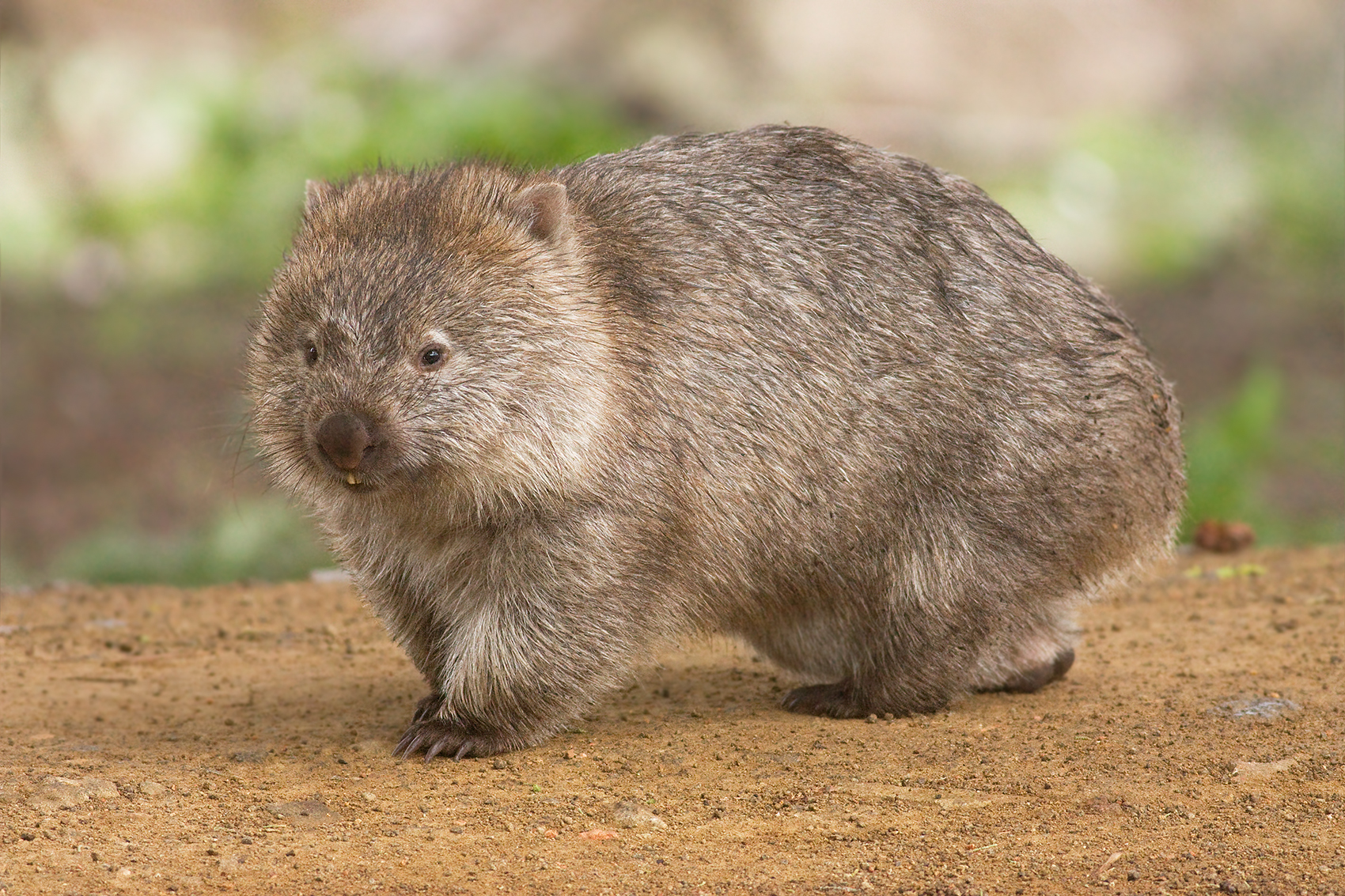
★ Common Wombat
Vombatus ursinus
 ★
★ Red-necked Wallaby
Notamacropus rufogriseus
 ★
★ Red-bellied Pademelon
Thylogale billardierii
📊 Most Spotted

Black Currawong
Strepera fuliginosa

Crescent Honeyeater
Phylidonyris pyrrhopterus
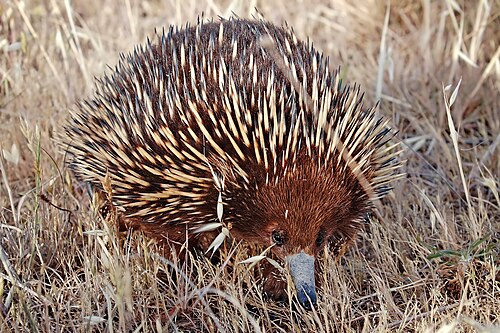
Short-beaked Echidna
Tachyglossus aculeatus

Tasmanian Scrubwren
Sericornis humilis

Metallic Coolskink
Carinascincus metallicus

Tasmanian Thornbill
Acanthiza ewingii

Yellow Wattlebird
Anthochaera paradoxa

Green Rosella
Platycercus caledonicus

Yellow-throated Honeyeater
Nesoptilotis flavicollis

Welcome Swallow
Hirundo neoxena

Pink Robin
Petroica rodinogaster

Grey Fantail
Rhipidura albiscapa
⭐ Iconic Species
★ Common Wombat
Vombatus ursinus
★ Red-necked Wallaby
Notamacropus rufogriseus
★ Red-bellied Pademelon
Thylogale billardierii
📊 Most Spotted
Short-beaked Echidna
Tachyglossus aculeatus

Common Brushtail
Trichosurus vulpecula

Tasmanian Devil
Sarcophilus harrisii

Eastern Quoll
Dasyurus viverrinus

Duck-billed Platypus
Ornithorhynchus anatinus

Common Ringtail Possum
Pseudocheirus peregrinus

Tiger Quoll
Dasyurus maculatus

Inland Sugar Glider
Petaurus notatus

Broad-toothed Mouse
Mastacomys fuscus

Long-tailed Mouse
Pseudomys higginsi

Rakali
Hydromys chrysogaster

White-footed Dunnart
Sminthopsis leucopus
📊 Most Spotted
Black Currawong
Strepera fuliginosa
Crescent Honeyeater
Phylidonyris pyrrhopterus
Tasmanian Scrubwren
Sericornis humilis
Tasmanian Thornbill
Acanthiza ewingii
Yellow Wattlebird
Anthochaera paradoxa
Green Rosella
Platycercus caledonicus
Yellow-throated Honeyeater
Nesoptilotis flavicollis
Welcome Swallow
Hirundo neoxena
Pink Robin
Petroica rodinogaster
Grey Fantail
Rhipidura albiscapa

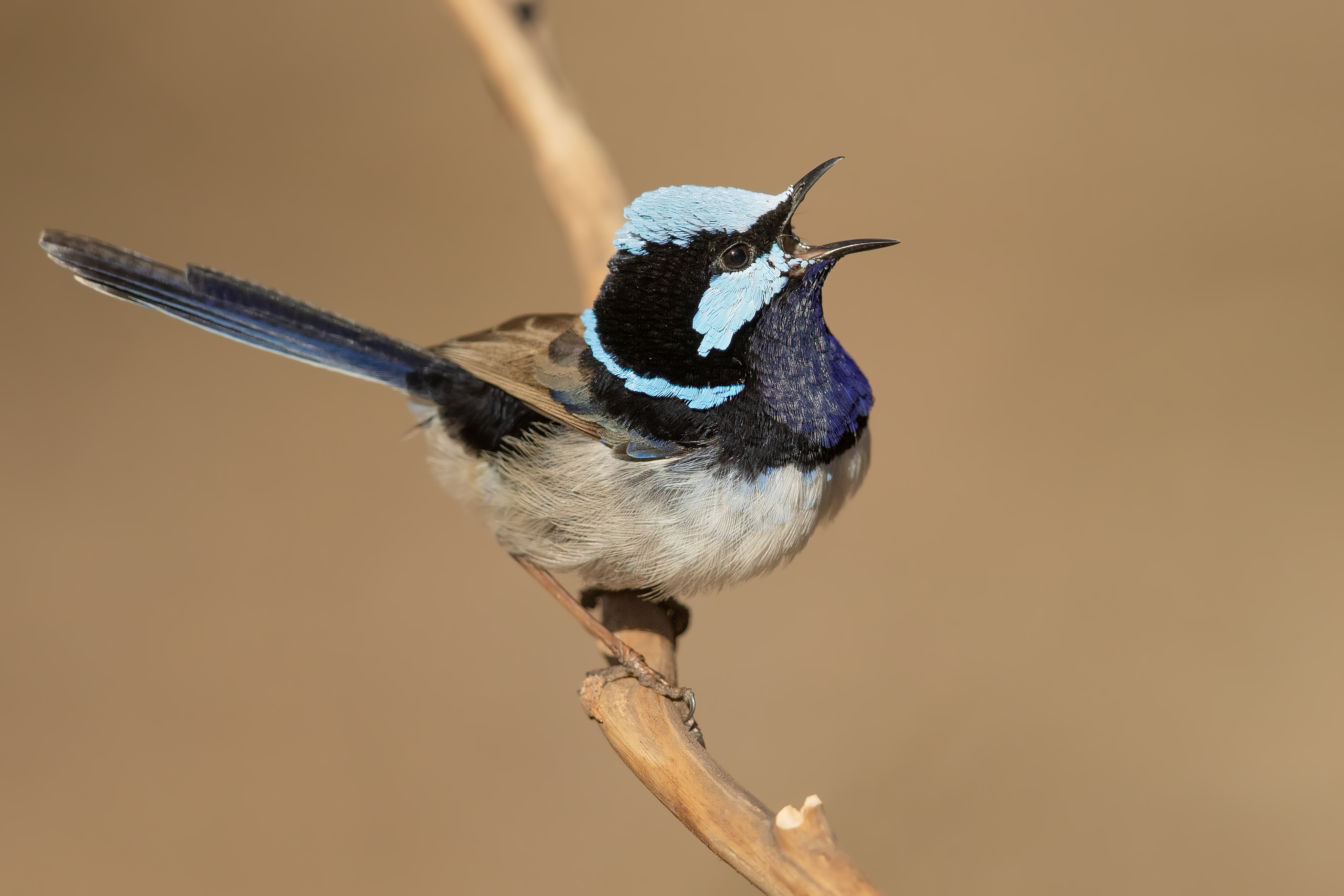
Superb Fairywren
Malurus cyaneus

Forest Raven
Corvus tasmanicus
📊 Most Spotted
Metallic Coolskink
Carinascincus metallicus

Eastern Tiger Snake
Notechis scutatus

Ocellated Coolskink
Carinascincus ocellatus

White-lipped Snake
Drysdalia coronoides

Tasmanian Tree Skink
Carinascincus pretiosus

Alpine Coolskink
Carinascincus greeni

She-oak Slender Bluetongue
Cyclodomorphus casuarinae

Blotched Bluetongue
Tiliqua nigrolutea

Mountain Dragon
Rankinia diemensis

Entrecasteaux's Skink
Pseudemoia entrecasteauxii


Animal Events
Wombat Foraging at Dusk
Common Wombats emerge at twilight to graze on grasses and roots, leaving distinctive burrow systems visible along trails.
Pademelon Breeding Season
Red-bellied Pademelons engage in courtship behaviors, including boxing matches and vocalizations, in dense scrub near Lake St Clair.
Alpine Skink Basking
Metallic Cool-skinks and Alpine Cool-skinks sunbathe on warm rocks along Cradle Mountain’s summit trails, displaying iridescent scales.
Sighting Calendar
Chance of spotting each species, month by month
Sighting Zones
Warm areas are where all species together are recorded most, so they track where people go as much as where animals are. For one species, see the map on its own page.
Where Wildlife Score
How good is this park for seeing wildlife?Biodiversity
GoodHow rich is the wildlife?
Sighting
Very goodHow likely to see animals?
Quick answers
What animals can you see in Cradle Mountain-Lake St Clair National Park?
The most likely sightings are Black Currawong (seen by 90–100% of wildlife watchers), Common Wombat (seen by 90–100% of wildlife watchers), Crescent Honeyeater (seen by 80–90% of wildlife watchers), Red-bellied Pademelon (seen by 80–90% of wildlife watchers), Red-necked Wallaby (seen by 80–90% of wildlife watchers) — among 291 recorded vertebrate species, based on citizen-science data from GBIF.
When is the best time to visit Cradle Mountain-Lake St Clair National Park for wildlife?
November has the highest combined sighting rate for the park's top species in our month-by-month GBIF data. The full sighting calendar on this page shows each species' best months.
Can you see Common Wombat in Cradle Mountain-Lake St Clair National Park?
Yes — about 94% of wildlife watchers report a Common Wombat sighting in Cradle Mountain-Lake St Clair National Park, based on 486 days of visitor records from GBIF citizen-science data.
Can you see Red-necked Wallaby in Cradle Mountain-Lake St Clair National Park?
Yes — about 82% of wildlife watchers report a Red-necked Wallaby sighting in Cradle Mountain-Lake St Clair National Park, based on 216 days of visitor records from GBIF citizen-science data.
Can you see Red-bellied Pademelon in Cradle Mountain-Lake St Clair National Park?
Yes — about 83% of wildlife watchers report a Red-bellied Pademelon sighting in Cradle Mountain-Lake St Clair National Park, based on 227 days of visitor records from GBIF citizen-science data.