Freycinet National Park
🇦🇺 Australia
🦘 Red-necked Wallaby on Freycinet's CliffsFreycinet National Park occupies a rugged coastal peninsula on the east coast of Tasmania, featuring pink granite mountains, dry eucalyptus forests, and secluded white-sand beaches. Visitors hike along sandy tracks and granite ridges that drop steeply toward the ocean. This protected reserve is famous for its wild population of the Red-necked Wallaby, which often grazes near the coastal scrub at dusk.
-42.202° S 148.317° E
Wildlife
⭐ Iconic Species
 ★
★ Red-necked Wallaby
Notamacropus rufogriseus
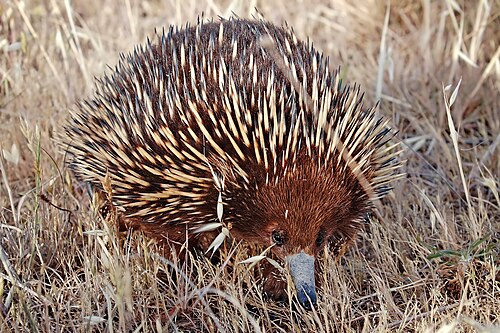 ★
★ Short-beaked Echidna
Tachyglossus aculeatus
 ★
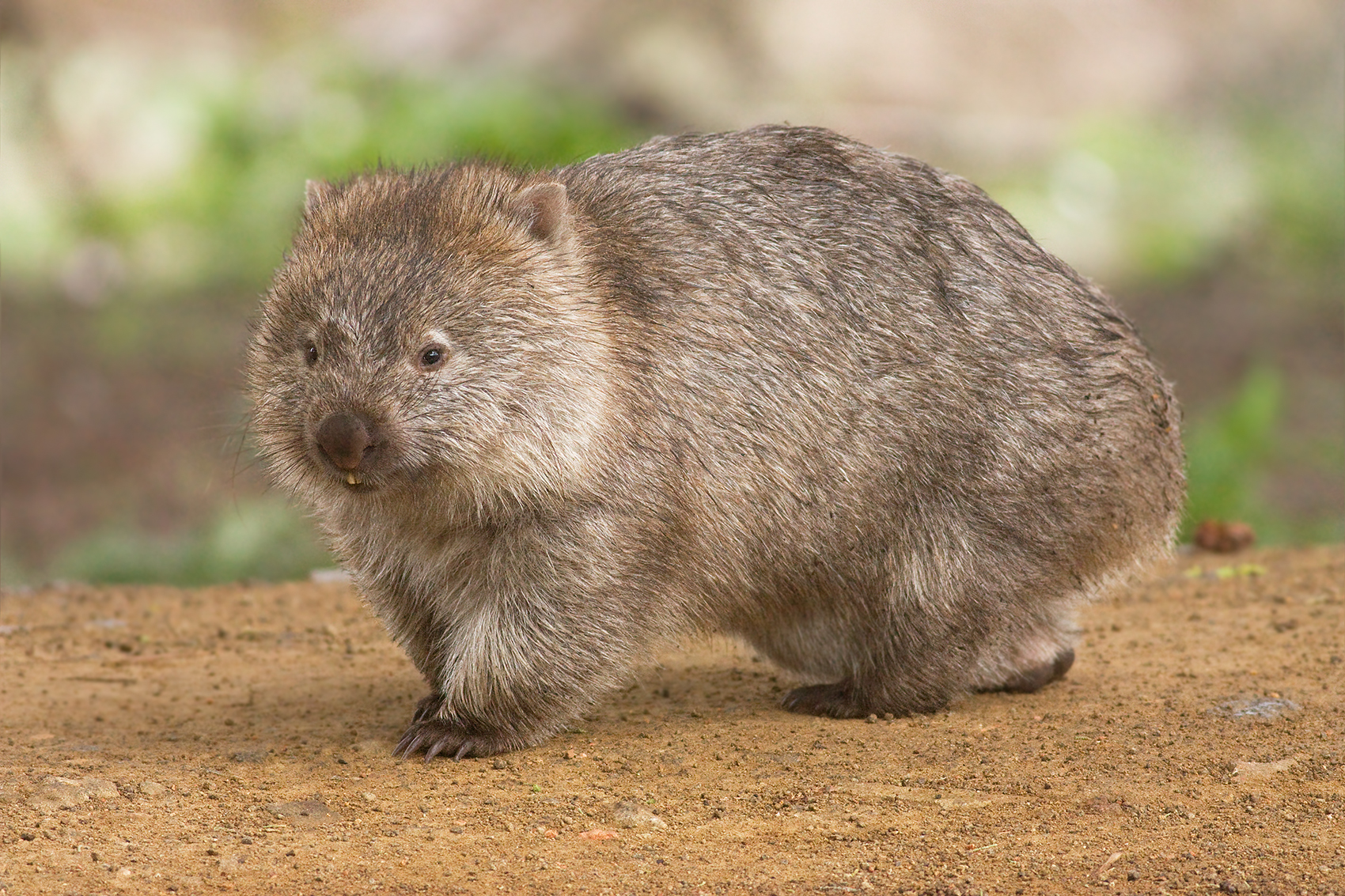
★ Common Wombat
Vombatus ursinus
 ★
★ White's Rock-skink
Liopholis whitii
📊 Most Spotted

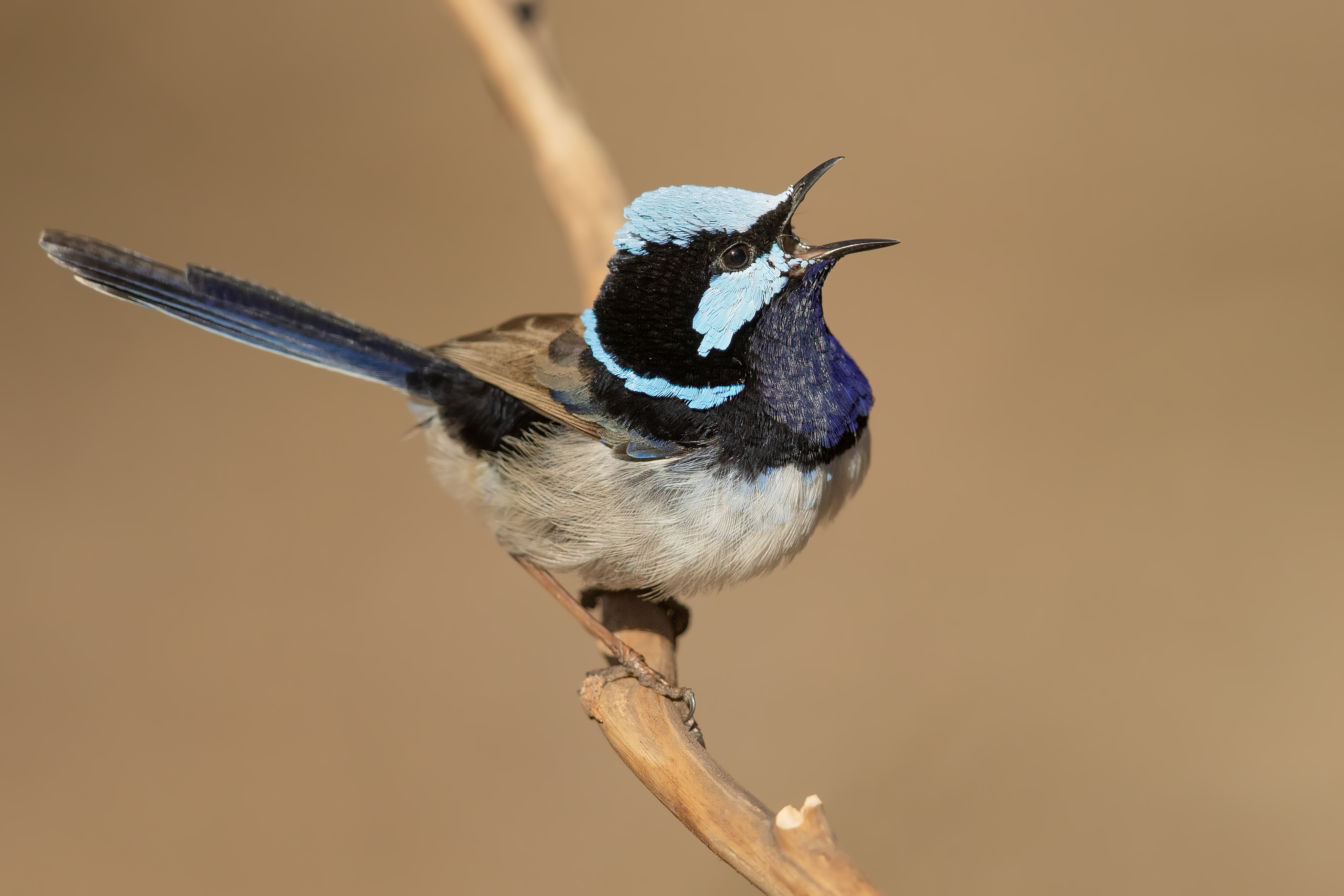
Superb Fairywren
Malurus cyaneus

Grey Fantail
Rhipidura albiscapa

Silver Gull
Chroicocephalus novaehollandiae

Pacific Gull
Larus pacificus

Yellow Wattlebird
Anthochaera paradoxa

Brown Thornbill
Acanthiza pusilla

Pied Oystercatcher
Haematopus longirostris

Forest Raven
Corvus tasmanicus

Little Wattlebird
Anthochaera chrysoptera

New Holland Honeyeater
Phylidonyris novaehollandiae

Green Rosella
Platycercus caledonicus

Laughing Kookaburra
Dacelo novaeguineae
⭐ Iconic Species
★ Red-necked Wallaby
Notamacropus rufogriseus
★ Short-beaked Echidna
Tachyglossus aculeatus
★ Common Wombat
Vombatus ursinus
📊 Most Spotted

Common Brushtail
Trichosurus vulpecula

Red-bellied Pademelon
Thylogale billardierii
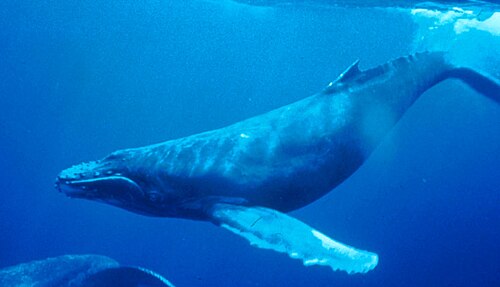
Humpback Whale
Megaptera novaeangliae

Fallow Deer
Dama dama

Tasmanian Devil
Sarcophilus harrisii

Long-nosed Fur Seal
Arctocephalus forsteri

Afro-Australian Fur Seal
Arctocephalus pusillus

Common Dolphin
Delphinus delphis

Inland Sugar Glider
Petaurus notatus

Eastern Pygmy Possum
Cercartetus nanus

Bottlenose Dolphin
Tursiops truncatus

Killer Whale
Orcinus orca
📊 Most Spotted
Superb Fairywren
Malurus cyaneus
Grey Fantail
Rhipidura albiscapa
Silver Gull
Chroicocephalus novaehollandiae
Pacific Gull
Larus pacificus
Yellow Wattlebird
Anthochaera paradoxa
Brown Thornbill
Acanthiza pusilla
Pied Oystercatcher
Haematopus longirostris
Forest Raven
Corvus tasmanicus
Little Wattlebird
Anthochaera chrysoptera
New Holland Honeyeater
Phylidonyris novaehollandiae
Green Rosella
Platycercus caledonicus
Laughing Kookaburra
Dacelo novaeguineae
⭐ Iconic Species
📊 Most Spotted

Mountain Dragon
Rankinia diemensis

Ocellated Coolskink
Carinascincus ocellatus

Tasmanian Tree Skink
Carinascincus pretiosus

She-oak Slender Bluetongue
Cyclodomorphus casuarinae

Eastern Tiger Snake
Notechis scutatus

Metallic Coolskink
Carinascincus metallicus

Blotched Bluetongue
Tiliqua nigrolutea

White-lipped Snake
Drysdalia coronoides

Eastern Three-lined Skink
Acritoscincus duperreyi

Lowlands Copperhead
Austrelaps superbus

Rainbow Skink
Lampropholis delicata


Animal Events
Long-nosed Fur Seal Pup Arrival
Newborn long‑nosed fur seal pups arrive on the coastal rocks, offering visitors a rare glimpse of these fluffy newborns.
Humpback Whale Migration Passage
Humpback whales migrate past Freycinet, frequently breaching and spouting, creating spectacular marine displays.
Short-beaked Echidna Activity
Short-beaked echidnas are most active in summer, foraging across heath and woodland, making them easier to spot.
Sighting Calendar
Chance of spotting each species, month by month
Sighting Zones
Warm areas are where all species together are recorded most, so they track where people go as much as where animals are. For one species, see the map on its own page.
Where Wildlife Score
How good is this park for seeing wildlife?Biodiversity
GoodHow rich is the wildlife?
Sighting
GoodHow likely to see animals?
Quick answers
What animals can you see in Freycinet National Park?
The most likely sightings are Superb Fairywren (seen by 80–90% of wildlife watchers), Red-necked Wallaby (seen by 80–90% of wildlife watchers), Grey Fantail (seen by 70–80% of wildlife watchers), Silver Gull (seen by 70–80% of wildlife watchers), White's Rock-skink (seen by 70–80% of wildlife watchers) — among 392 recorded vertebrate species, based on citizen-science data from GBIF.
When is the best time to visit Freycinet National Park for wildlife?
April has the highest combined sighting rate for the park's top species in our month-by-month GBIF data. The full sighting calendar on this page shows each species' best months.
Can you see Red-necked Wallaby in Freycinet National Park?
Yes — about 85% of wildlife watchers report a Red-necked Wallaby sighting in Freycinet National Park, based on 200 days of visitor records from GBIF citizen-science data.
Can you see Short-beaked Echidna in Freycinet National Park?
Yes — about 52% of wildlife watchers report a Short-beaked Echidna sighting in Freycinet National Park, based on 49 days of visitor records from GBIF citizen-science data.
Can you see Common Wombat in Freycinet National Park?
Yes — about 35% of wildlife watchers report a Common Wombat sighting in Freycinet National Park, based on 23 days of visitor records from GBIF citizen-science data.
Can you see White's Rock-skink in Freycinet National Park?
Yes — about 70% of wildlife watchers report a White's Rock-skink sighting in Freycinet National Park, based on 101 days of visitor records from GBIF citizen-science data.
Explore Other Parks
 📍 51 km 🐨 Wombats Roam Historic Convict Ruins
 Maria Island National Park
 📍 199 km 🐨 Wombat Wanderings at Cradle Mountain
 Cradle Mountain-Lake St Clair National Park
 📍 395 km 🐨 Wombat Roaming Wilsons Promontory
 Wilsons Promontory National Park
 📍 558 km 🐨 Koalas Doze in Roadside Manna Gums