Death Valley National Park
🇺🇸 United States
🐍 Watch Sidewinders Perform Their Breeding RitualsDeath Valley National Park is a vast desert reserve in the western United States, defined by salt flats, gravel fans, and eroded mountain ranges. Across these arid basins and sparse scrublands, resilient wildlife adapts to extreme heat by restricting activity to cooler hours and shaded rocky crevices.
36.648° N 117.233° W
Wildlife
⭐ Iconic Species
 ★
★ Common Chuckwalla
Sauromalus ater
 ★
★ Sidewinder
Crotalus cerastes
 ★
★ Coyote
Canis latrans
📊 Most Spotted

Common Side-blotched Lizard
Uta stansburiana

Common Raven
Corvus corax

Zebra-tailed Lizard
Callisaurus draconoides

Desert Horned Lizard
Phrynosoma platyrhinos

House Finch
Haemorhous mexicanus

Desert Iguana
Dipsosaurus dorsalis

White-crowned Sparrow
Zonotrichia leucophrys

Mourning Dove
Zenaida macroura

Desert Collared Lizard
Crotaphytus bicinctores

Yellow-rumped Warbler
Setophaga coronata

Western Whiptail
Aspidoscelis tigris

Panamint Rattlesnake
Crotalus stephensi
⭐ Iconic Species
📊 Most Spotted

Bighorn Sheep
Ovis canadensis

Black-tailed Jackrabbit
Lepus californicus

Desert Cottontail
Sylvilagus audubonii

White-tailed Antelope Squirrel
Ammospermophilus leucurus

Kit Fox
Vulpes macrotis

American Badger
Taxidea taxus

Mule Deer
Odocoileus hemionus

Pronghorn
Antilocapra americana

Desert Kangaroo Rat
Dipodomys deserti

Desert Woodrat
Neotoma lepida

Gray Fox
Urocyon cinereoargenteus

Bobcat
Lynx rufus
📊 Most Spotted
Common Raven
Corvus corax
House Finch
Haemorhous mexicanus
White-crowned Sparrow
Zonotrichia leucophrys
Mourning Dove
Zenaida macroura
Yellow-rumped Warbler
Setophaga coronata

American Coot
Fulica americana

Say's Phoebe
Sayornis saya

Ruddy Duck
Oxyura jamaicensis

Lesser Goldfinch
Spinus psaltria

Rock Wren
Salpinctes obsoletus

Verdin
Auriparus flaviceps

Costa's Hummingbird
Calypte costae
⭐ Iconic Species
📊 Most Spotted
Common Side-blotched Lizard
Uta stansburiana
Zebra-tailed Lizard
Callisaurus draconoides
Desert Horned Lizard
Phrynosoma platyrhinos
Desert Iguana
Dipsosaurus dorsalis
Desert Collared Lizard
Crotaphytus bicinctores
Western Whiptail
Aspidoscelis tigris
Panamint Rattlesnake
Crotalus stephensi

Yellow-backed Spiny Lizard
Sceloporus uniformis

Long-nosed Leopard Lizard
Gambelia wislizenii

Gopher Snake
Pituophis catenifer

Coachwhip
Masticophis flagellum

Agassiz’s Desert Tortoise
Gopherus agassizii
📊 Most Spotted

Western Toad
Anaxyrus boreas

Amargosa Toad
Anaxyrus nelsoni

Pacific chorus frog
Pseudacris regilla

Red-spotted Toad
Anaxyrus punctatus

American Bullfrog
Lithobates catesbeianus
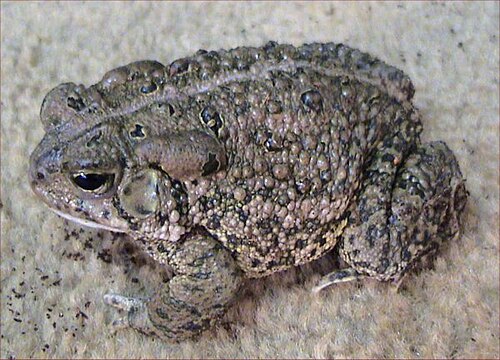
Woodhouse's Toad
Anaxyrus woodhousii

Inyo Mountains Salamander
Batrachoseps campi

Great Basin Spadefoot
Spea intermontana
Animal Events
Chuckwalla Basking Season
Chuckwallas emerge to bask on sun-warmed rocks, often seen in pairs or small groups. They retreat to rock crevices during midday heat.
Sidewinder Breeding Rituals
Male sidewinders engage in combat dances to establish dominance before mating. Females lay eggs in sandy burrows, which hatch in late summer.
Coyote Nocturnal Foraging
Coyotes adapt to extreme heat by hunting nocturnally, often seen near water sources or scavenging carcasses. Their howls echo through canyons at night.
Sighting Calendar
Chance of spotting each species, month by month
Sighting Zones
Warm areas are where all species together are recorded most, so they track where people go as much as where animals are. For one species, see the map on its own page.
Where Wildlife Score
How good is this park for seeing wildlife?Biodiversity
Very goodHow rich is the wildlife?
Sighting
GoodHow likely to see animals?
Quick answers
What animals can you see in Death Valley National Park?
The most likely sightings are Common Side-blotched Lizard (seen by 80–90% of wildlife watchers), Common Raven (seen by 80–90% of wildlife watchers), Common Chuckwalla (seen by 60–70% of wildlife watchers), Zebra-tailed Lizard (seen by 60–70% of wildlife watchers), Desert Horned Lizard (seen by 60–70% of wildlife watchers) — among 671 recorded vertebrate species, based on citizen-science data from GBIF.
When is the best time to visit Death Valley National Park for wildlife?
April has the highest combined sighting rate for the park's top species in our month-by-month GBIF data. The full sighting calendar on this page shows each species' best months.
Can you see Common Chuckwalla in Death Valley National Park?
Yes — about 69% of wildlife watchers report a Common Chuckwalla sighting in Death Valley National Park, based on 427 days of visitor records from GBIF citizen-science data.
Can you see Sidewinder in Death Valley National Park?
Yes — about 51% of wildlife watchers report a Sidewinder sighting in Death Valley National Park, based on 209 days of visitor records from GBIF citizen-science data.
Can you see Coyote in Death Valley National Park?
Yes — about 59% of wildlife watchers report a Coyote sighting in Death Valley National Park, based on 282 days of visitor records from GBIF citizen-science data.
Explore Other Parks
 📍 117 km 🐿️ Yellow-bellied Marmot in Giant Sequoias
 Sequoia and Kings Canyon National Parks
.jpg?width=1920) 📍 246 km 🐻 Black Bear and Mule Deer Valley
📍 246 km 🐻 Black Bear and Mule Deer Valley Yosemite National Park
 📍 341 km 🐦 Common Raven Echoes Joshua Tree
 Joshua Tree National Park
 📍 373 km 🐋 Humpback Whale Watching Channel Islands