Gates of the Arctic National Park
🇺🇸 United States
🦌 Caribou Cross Gates of ArcticGates of the Arctic National Park is a vast mountain wilderness in northern Alaska, far above the Arctic Circle. This remote park contains no roads, trails, or visitor facilities, featuring instead rugged tundra valleys, steep peaks, and untamed rivers carved out of an ancient landscape.
67.721° N 154.209° W
Wildlife
⭐ Iconic Species
 ★
★ Caribou
Rangifer tarandus
 ★
★ Dall Sheep
Ovis dalli
 ★
★ Brown Bear
Ursus arctos
 ★
★ Gray Wolf
Canis lupus
📊 Most Spotted

White-crowned Sparrow
Zonotrichia leucophrys

Common Redpoll
Acanthis flammea

American Robin
Turdus migratorius

Gray Jay
Perisoreus canadensis

Elk
Alces alces

Common Raven
Corvus corax

Yellow-rumped Warbler
Setophaga coronata

Dark-eyed Junco
Junco hyemalis

Swainson's Thrush
Catharus ustulatus

White-winged Crossbill
Loxia leucoptera

Snowshoe Hare
Lepus americanus

American Red Squirrel
Tamiasciurus hudsonicus
⭐ Iconic Species
★ Caribou
Rangifer tarandus
★ Dall Sheep
Ovis dalli
★ Brown Bear
Ursus arctos
★ Gray Wolf
Canis lupus
📊 Most Spotted
Elk
Alces alces
Snowshoe Hare
Lepus americanus
American Red Squirrel
Tamiasciurus hudsonicus

Muskox
Ovibos moschatus

Arctic Ground Squirrel
Urocitellus parryii

American Black Bear
Ursus americanus

Greenland Collared Lemming
Dicrostonyx groenlandicus

American Beaver
Castor canadensis

Canada Lynx
Lynx canadensis
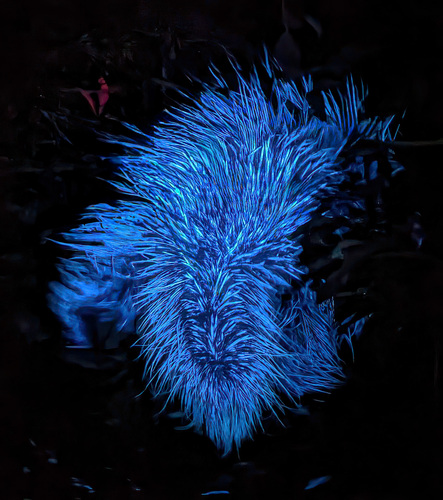
Quiller
Erethizon dorsatus
📊 Most Spotted
White-crowned Sparrow
Zonotrichia leucophrys
Common Redpoll
Acanthis flammea
American Robin
Turdus migratorius
Gray Jay
Perisoreus canadensis
Common Raven
Corvus corax
Yellow-rumped Warbler
Setophaga coronata
Dark-eyed Junco
Junco hyemalis
Swainson's Thrush
Catharus ustulatus
White-winged Crossbill
Loxia leucoptera

Yellow Warbler
Setophaga petechia

Northern Waterthrush
Parkesia noveboracensis

Gray-cheeked Thrush
Catharus minimus
📊 Most Spotted

Animal Events
Caribou Migration
Thousands of caribou travel through the park's valleys and tundra, following ancestral routes to calving grounds.
Arctic Ground Squirrel Emergence
Arctic ground squirrels emerge from hibernation, engaging in territorial disputes and mating rituals across the tundra.
Brown Bear Feeding on Salmon
Bears congregate at riverbanks to catch spawning salmon, creating dramatic wildlife spectacles.
Sighting Calendar
Chance of spotting each species, month by month
Where Wildlife Score
How good is this park for seeing wildlife?Biodiversity
Very goodHow rich is the wildlife?
Sighting
GoodHow likely to see animals?
Quick answers
What animals can you see in Gates of the Arctic National Park?
The most likely sightings are White-crowned Sparrow (seen by 80–90% of wildlife watchers), Common Redpoll (seen by 60–70% of wildlife watchers), American Robin (seen by 60–70% of wildlife watchers), Gray Jay (seen by 50–60% of wildlife watchers), Elk (seen by 50–60% of wildlife watchers) — among 276 recorded vertebrate species, based on citizen-science data from GBIF.
When is the best time to visit Gates of the Arctic National Park for wildlife?
June has the highest combined sighting rate for the park's top species in our month-by-month GBIF data. The full sighting calendar on this page shows each species' best months.
Can you see Caribou in Gates of the Arctic National Park?
Yes — about 49% of wildlife watchers report a Caribou sighting in Gates of the Arctic National Park, based on 6 days of visitor records from GBIF citizen-science data.
Can you see Dall Sheep in Gates of the Arctic National Park?
Yes — about 27% of wildlife watchers report a Dall Sheep sighting in Gates of the Arctic National Park, based on 2 days of visitor records from GBIF citizen-science data.
Can you see Brown Bear in Gates of the Arctic National Park?
Yes — about 30% of wildlife watchers report a Brown Bear sighting in Gates of the Arctic National Park, based on 7 days of visitor records from GBIF citizen-science data.
Can you see Gray Wolf in Gates of the Arctic National Park?
Yes — about 24% of wildlife watchers report a Gray Wolf sighting in Gates of the Arctic National Park, based on 5 days of visitor records from GBIF citizen-science data.


.jpg?width=1920)