Katmai National Park
🇺🇸 United States
🐻 Brown Bears Salmon SpectacleKatmai National Park is in southwestern Alaska, United States. It encompasses volcanic mountains, rugged coastline, and tundra‑filled valleys. The park’s dramatic landscape of ash‑covered slopes and salmon‑rich rivers sets it apart from other Alaskan parks.
58.632° N 155.252° W
Wildlife
⭐ Iconic Species
 ★
★ Brown Bear
Ursus arctos
 ★
★ Bald Eagle
Haliaeetus leucocephalus
 ★
★ Sea Otter
Enhydra lutris
📊 Most Spotted

Glaucous-winged Gull
Larus glaucescens

Black-billed Magpie
Pica hudsonia

Common Merganser
Mergus merganser

Short-billed Gull
Larus brachyrhynchus

Mallard
Anas platyrhynchos

Greater Yellowlegs
Tringa melanoleuca

Snowshoe Hare
Lepus americanus

Common Raven
Corvus corax

White-crowned Sparrow
Zonotrichia leucophrys

American Robin
Turdus migratorius

Yellow-rumped Warbler
Setophaga coronata

Belted Kingfisher
Megaceryle alcyon
⭐ Iconic Species
📊 Most Spotted
Snowshoe Hare
Lepus americanus

American Red Squirrel
Tamiasciurus hudsonicus

Gray Wolf
Canis lupus

Harbor Seal
Phoca vitulina

Red Fox
Vulpes vulpes
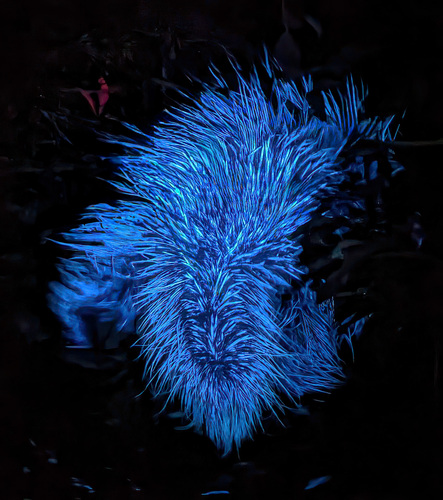
Quiller
Erethizon dorsatus

Elk
Alces alces

Arctic Ground Squirrel
Urocitellus parryii

Canada Lynx
Lynx canadensis

Caribou
Rangifer tarandus

Northern Red-backed Vole
Myodes rutilus

Meadow Jumping Mouse
Zapus hudsonius
⭐ Iconic Species
📊 Most Spotted
Glaucous-winged Gull
Larus glaucescens
Black-billed Magpie
Pica hudsonia
Common Merganser
Mergus merganser
Short-billed Gull
Larus brachyrhynchus
Mallard
Anas platyrhynchos
Greater Yellowlegs
Tringa melanoleuca
Common Raven
Corvus corax
White-crowned Sparrow
Zonotrichia leucophrys
American Robin
Turdus migratorius
Yellow-rumped Warbler
Setophaga coronata
Belted Kingfisher
Megaceryle alcyon

Wilson's Warbler
Cardellina pusilla
📊 Most Spotted
📊 Most Spotted
Animal Events
Summer Salmon and Bear Gathering
Brown bears congregate in large numbers at Brooks Falls to feed on migrating salmon, joined by scavenging Glaucous-winged Gulls and soaring Bald Eagles.
Shorebird and Songbird Arrival
As snow melts, migratory songbirds and shorebirds arrive en masse to breed, highlighted by the melodic calls of the White-crowned Sparrow and the bright plumage of the American Robin and Yellow-rumped Warbler.
Autumn Waterfowl Migration
Wetlands and rivers fill with departing migratory waterfowl, where the Common Merganser and Mallard congregate alongside diving Belted Kingfishers before winter sets in.
Sighting Calendar
Chance of spotting each species, month by month
Sighting Zones
Warm areas are where all species together are recorded most, so they track where people go as much as where animals are. For one species, see the map on its own page.
Where Wildlife Score
How good is this park for seeing wildlife?Biodiversity
Very goodHow rich is the wildlife?
Sighting
GoodHow likely to see animals?
Quick answers
What animals can you see in Katmai National Park?
The most likely sightings are Brown Bear (seen by 90–100% of wildlife watchers), Glaucous-winged Gull (seen by 80–90% of wildlife watchers), Black-billed Magpie (seen by 70–80% of wildlife watchers), Bald Eagle (seen by 70–80% of wildlife watchers), Common Merganser (seen by 60–70% of wildlife watchers) — among 315 recorded vertebrate species, based on citizen-science data from GBIF.
When is the best time to visit Katmai National Park for wildlife?
July has the highest combined sighting rate for the park's top species in our month-by-month GBIF data. The full sighting calendar on this page shows each species' best months.
Can you see Brown Bear in Katmai National Park?
Yes — about 96% of wildlife watchers report a Brown Bear sighting in Katmai National Park, based on 231 days of visitor records from GBIF citizen-science data.
Can you see Bald Eagle in Katmai National Park?
Yes — about 72% of wildlife watchers report a Bald Eagle sighting in Katmai National Park, based on 120 days of visitor records from GBIF citizen-science data.
Can you see Sea Otter in Katmai National Park?
Yes — about 36% of wildlife watchers report a Sea Otter sighting in Katmai National Park, based on 16 days of visitor records from GBIF citizen-science data.


