Kosciuszko National Park
🇦🇺 Australia
🦜 Crimson Rosella Chorus Over Alpine TrailsKosciuszko National Park is a temperate forest region in southeastern Australia, covering alpine slopes and river valleys. It features snow‑capped peaks, glacial lakes, and dense eucalypt woodlands, offering a mix of high‑country tracks and lowland walks.
-36.136° S 148.303° E
Wildlife
⭐ Iconic Species
 ★
★ Eastern Grey Kangaroo
Macropus giganteus
 ★
★ Greater Glider
Petauroides volans
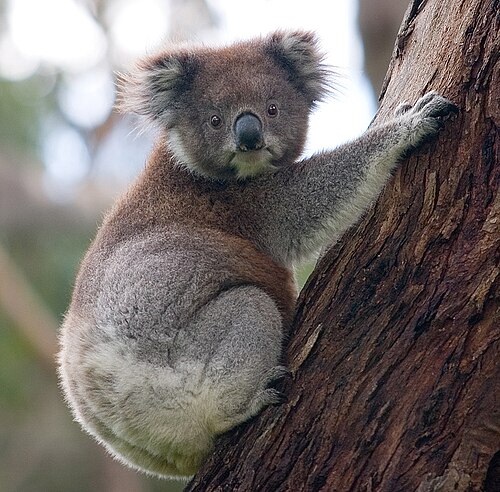 ★
★ Koala
Phascolarctos cinereus
📊 Most Spotted

Crimson Rosella
Platycercus elegans

Grey Fantail
Rhipidura albiscapa

Pied Currawong
Strepera graculina

Yellow-faced Honeyeater
Caligavis chrysops

Red-necked Wallaby
Notamacropus rufogriseus

White-throated Treecreeper
Cormobates leucophaea

Brown Thornbill
Acanthiza pusilla

Superb Fairywren
Malurus cyaneus

Highlands Copperhead
Austrelaps ramsayi

Gray Shrikethrush
Colluricincla harmonica

White-browed Scrubwren
Sericornis frontalis
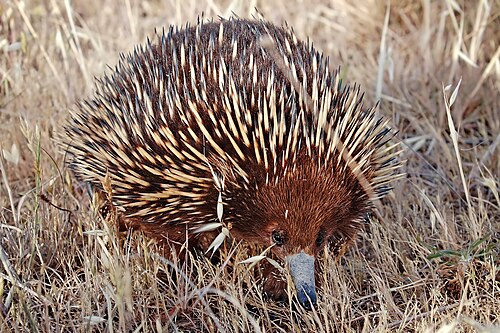
Short-beaked Echidna
Tachyglossus aculeatus
⭐ Iconic Species
★ Eastern Grey Kangaroo
Macropus giganteus
★ Greater Glider
Petauroides volans
★ Koala
Phascolarctos cinereus
📊 Most Spotted
Red-necked Wallaby
Notamacropus rufogriseus
Short-beaked Echidna
Tachyglossus aculeatus

Common Wombat
Vombatus ursinus

Fallow Deer
Dama dama

Swamp Wallaby
Wallabia bicolor

Common Brushtail
Trichosurus vulpecula

Duck-billed Platypus
Ornithorhynchus anatinus

Rakali
Hydromys chrysogaster

Sambar
Rusa unicolor

Red Fox
Vulpes vulpes

Wallaroo
Macropus robustus

Broad-toothed Mouse
Mastacomys fuscus
📊 Most Spotted
Crimson Rosella
Platycercus elegans
Grey Fantail
Rhipidura albiscapa
Pied Currawong
Strepera graculina
Yellow-faced Honeyeater
Caligavis chrysops
White-throated Treecreeper
Cormobates leucophaea
Brown Thornbill
Acanthiza pusilla
Superb Fairywren
Malurus cyaneus
Gray Shrikethrush
Colluricincla harmonica
White-browed Scrubwren
Sericornis frontalis

Australian Magpie
Gymnorhina tibicen

Laughing Kookaburra
Dacelo novaeguineae

Sulphur-crested Cockatoo
Cacatua galerita
📊 Most Spotted
Highlands Copperhead
Austrelaps ramsayi

Blotched Bluetongue
Tiliqua nigrolutea

Cunningham's Skink
Egernia cunninghami

Southern Water Skink
Eulamprus heatwolei

Entrecasteaux's Skink
Pseudemoia entrecasteauxii

Jacky Lashtail
Amphibolurus muricatus

Pale-flecked Garden Sunskink
Lampropholis guichenoti

White-lipped Snake
Drysdalia coronoides

Cool-temperate Water Skink
Eulamprus tympanum
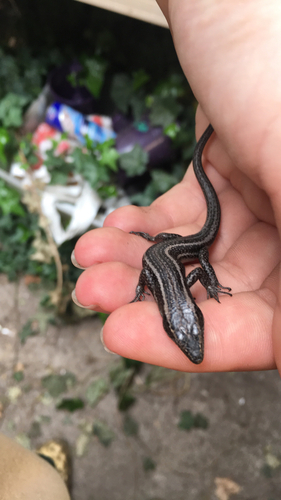
Trunk-climbing Cool-skink
Pseudemoia spenceri

Australian Water Dragon
Intellagama lesueurii
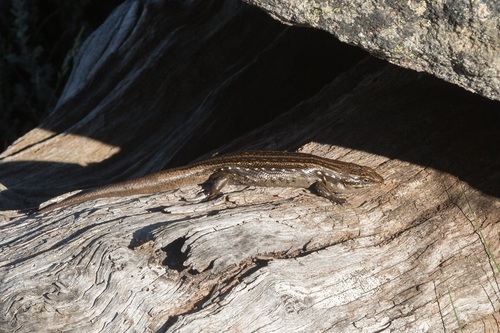
Guthega Skink
Liopholis guthega
📊 Most Spotted

Verreaux's Tree Frog
Litoria verreauxii

Common Eastern Froglet
Crinia signifera

Pobblebonk
Limnodynastes dumerilii

Spotted Grass Frog
Limnodynastes tasmaniensis

Peron's Tree Frog
Litoria peronii

Broad-palmed Frog
Litoria latopalmata

Ranoidea nudidigita
Ranoidea nudidigita

Smooth Toadlet
Uperoleia laevigata
Animal Events
Alpine Wombat Activity
Common Wombats dig extensive burrow systems in alpine soils, creating networks that shape the landscape and provide shelter for other species.
Platypus Breeding Season
Male platypuses engage in territorial displays and mate competition in freshwater streams, while females prepare nesting burrows in riverbanks.
Alpine Skink Basking
Highlands Copperheads and Alpine Meadow-skinks bask on sun-exposed rocks and logs, regulating body temperature in the cool alpine climate.

Sighting Calendar
Chance of spotting each species, month by month
Sighting Zones
Warm areas are where all species together are recorded most, so they track where people go as much as where animals are. For one species, see the map on its own page.
Where Wildlife Score
How good is this park for seeing wildlife?Biodiversity
Very goodHow rich is the wildlife?
Sighting
Very goodHow likely to see animals?
Quick answers
What animals can you see in Kosciuszko National Park?
The most likely sightings are Crimson Rosella (seen by 70–80% of wildlife watchers), Grey Fantail (seen by 60–70% of wildlife watchers), Pied Currawong (seen by 60–70% of wildlife watchers), Yellow-faced Honeyeater (seen by 60–70% of wildlife watchers), Eastern Grey Kangaroo (seen by 60–70% of wildlife watchers) — among 571 recorded vertebrate species, based on citizen-science data from GBIF.
When is the best time to visit Kosciuszko National Park for wildlife?
January has the highest combined sighting rate for the park's top species in our month-by-month GBIF data. The full sighting calendar on this page shows each species' best months.
Can you see Eastern Grey Kangaroo in Kosciuszko National Park?
Yes — about 65% of wildlife watchers report a Eastern Grey Kangaroo sighting in Kosciuszko National Park, based on 212 days of visitor records from GBIF citizen-science data.
Can you see Greater Glider in Kosciuszko National Park?
It's possible but not guaranteed: about 9% of wildlife watchers report a Greater Glider sighting in Kosciuszko National Park, based on 7 days of visitor records from GBIF citizen-science data. Sightings take luck and time in the field.
Can you see Koala in Kosciuszko National Park?
It's possible but not guaranteed: about 4% of wildlife watchers report a Koala sighting in Kosciuszko National Park, based on 2 days of visitor records from GBIF citizen-science data. Sightings take luck and time in the field.
Explore Other Parks
 📍 239 km 🦘 Kangaroos Graze Booderee's Coastal Heath
 Booderee National Park
 📍 324 km 🦫 Watch for Platypus in Mountain Creeks
 Blue Mountains National Park
 📍 337 km 🦎 Water Dragons Bask on Coastal Sandstone
 Royal National Park
 📍 359 km 🐨 Wombat Roaming Wilsons Promontory