Royal National Park
🇦🇺 Australia
🦎 Water Dragons Bask on Coastal SandstoneRoyal National Park sits just south of Sydney, protecting a rugged stretch of coastal temperate forest, deep sandstone valleys, and heathlands. Unlike many reserves focused on inland outback, this protected area meets the ocean directly, wrapping dense eucalyptus canopies around dramatic sea cliffs and secluded beaches.
-34.115° S 151.063° E
Wildlife
⭐ Iconic Species
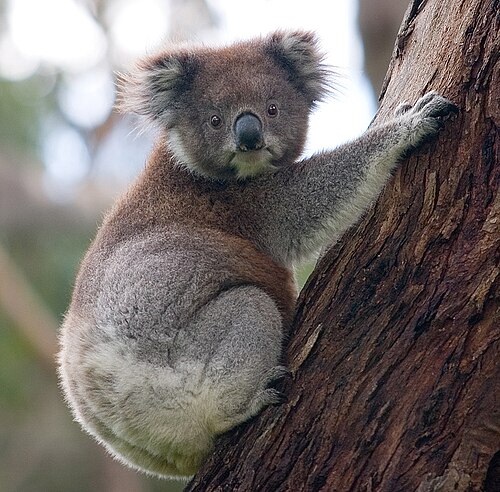 ★
★ Koala
Phascolarctos cinereus
 ★
★ Swamp Wallaby
Wallabia bicolor
 ★
★ Australian Water Dragon
Intellagama lesueurii
📊 Most Spotted

Sulphur-crested Cockatoo
Cacatua galerita

Coconut Lorikeet
Trichoglossus haematodus

Laughing Kookaburra
Dacelo novaeguineae

Jacky Lashtail
Amphibolurus muricatus

Australian Raven
Corvus coronoides

Lewin's Honeyeater
Meliphaga lewinii

Pied Currawong
Strepera graculina
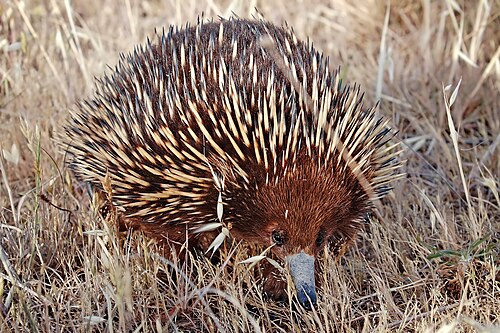
Short-beaked Echidna
Tachyglossus aculeatus

Australian Magpie
Gymnorhina tibicen

Little Wattlebird
Anthochaera chrysoptera

Noisy Miner
Manorina melanocephala

Lace Monitor
Varanus varius
⭐ Iconic Species
📊 Most Spotted
Short-beaked Echidna
Tachyglossus aculeatus

Javan Rusa
Rusa timorensis
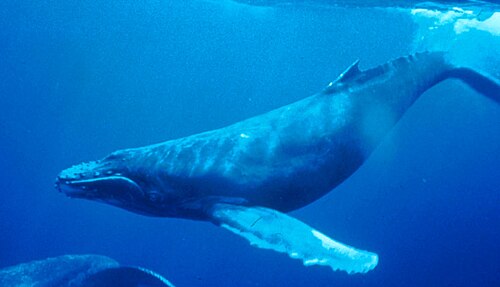
Humpback Whale
Megaptera novaeangliae

Grey-headed Flying-fox
Pteropus poliocephalus

Common Ringtail Possum
Pseudocheirus peregrinus

Brown Antechinus
Antechinus stuartii

Common Brushtail
Trichosurus vulpecula

Australian Swamp Rat
Rattus lutreolus

Sugar Glider
Petaurus breviceps

Long-nosed Bandicoot
Perameles nasuta

Afro-Australian Fur Seal
Arctocephalus pusillus

Red Fox
Vulpes vulpes
📊 Most Spotted
Sulphur-crested Cockatoo
Cacatua galerita
Coconut Lorikeet
Trichoglossus haematodus
Laughing Kookaburra
Dacelo novaeguineae
Australian Raven
Corvus coronoides
Lewin's Honeyeater
Meliphaga lewinii
Pied Currawong
Strepera graculina
Australian Magpie
Gymnorhina tibicen
Little Wattlebird
Anthochaera chrysoptera
Noisy Miner
Manorina melanocephala

Eastern Yellow Robin
Eopsaltria australis

Eastern Whipbird
Psophodes olivaceus

Australian Wood Duck
Chenonetta jubata
⭐ Iconic Species
📊 Most Spotted
Jacky Lashtail
Amphibolurus muricatus
Lace Monitor
Varanus varius

Eastern Water Skink
Eulamprus quoyii

Copper-tailed Ctenotus
Ctenotus taeniolatus

Red-bellied Black Snake
Pseudechis porphyriacus

Carpet Python
Morelia spilota

Rainbow Skink
Lampropholis delicata

Broad-tailed Gecko
Phyllurus platurus

Hunter River Short-necked Turtle
Emydura macquarii

Green Turtle
Chelonia mydas

Black Treesnake
Dendrelaphis punctulatus

Common Scaly-foot
Pygopus lepidopodus
📊 Most Spotted

Common Eastern Froglet
Crinia signifera

Leaf Green Treefrog
Ranoidea phyllochroa

Peron's Tree Frog
Litoria peronii

Eastern Dwarf Treefrog
Litoria fallax

Red-crowned Toadlet
Pseudophryne australis

Giant Burrowing Frog
Heleioporus australiacus

Striped Marsh Frog
Limnodynastes peronii

Wallum Rocket Frog
Litoria freycineti

Pobblebonk
Limnodynastes dumerilii

Haswell's Froglet
Paracrinia haswelli

Verreaux's Tree Frog
Litoria verreauxii

Jervis Bay Treefrog
Litoria jervisiensis
Animal Events
Humpback Whale Migration
Humpback whales migrate along the park's coastline, offering spectacular aerial displays and close encounters from coastal vantage points.
Koala Breeding Season
Koalas become highly active during breeding season, with males bellowing to attract mates and females carrying young in their pouches.
Rainforest Bird Chorus
The park's rainforests erupt in a symphony of bird calls at dawn, with species like Lewin's Honeyeater and Eastern Whipbird leading the chorus.
Sighting Calendar
Chance of spotting each species, month by month
Sighting Zones
Warm areas are where all species together are recorded most, so they track where people go as much as where animals are. For one species, see the map on its own page.
Where Wildlife Score
How good is this park for seeing wildlife?Biodiversity
ExcellentHow rich is the wildlife?
Sighting
GoodHow likely to see animals?
Quick answers
What animals can you see in Royal National Park?
The most likely sightings are Australian Water Dragon (seen by 50–60% of wildlife watchers), Sulphur-crested Cockatoo (seen by 50–60% of wildlife watchers), Coconut Lorikeet (seen by 40–50% of wildlife watchers), Laughing Kookaburra (seen by 40–50% of wildlife watchers), Jacky Lashtail (seen by 40–50% of wildlife watchers) — among 709 recorded vertebrate species, based on citizen-science data from GBIF.
When is the best time to visit Royal National Park for wildlife?
October has the highest combined sighting rate for the park's top species in our month-by-month GBIF data. The full sighting calendar on this page shows each species' best months.
Can you see Koala in Royal National Park?
It's possible but not guaranteed: about 8% of wildlife watchers report a Koala sighting in Royal National Park, based on 15 days of visitor records from GBIF citizen-science data. Sightings take luck and time in the field.
Can you see Swamp Wallaby in Royal National Park?
Yes — about 16% of wildlife watchers report a Swamp Wallaby sighting in Royal National Park, based on 42 days of visitor records from GBIF citizen-science data.
Can you see Australian Water Dragon in Royal National Park?
Yes — about 52% of wildlife watchers report a Australian Water Dragon sighting in Royal National Park, based on 322 days of visitor records from GBIF citizen-science data.
Explore Other Parks
 📍 61 km 🦫 Watch for Platypus in Mountain Creeks
 Blue Mountains National Park
 📍 121 km 🦘 Kangaroos Graze Booderee's Coastal Heath
 Booderee National Park
.jpg?width=1920) 📍 337 km 🦜 Crimson Rosella Chorus Over Alpine Trails
📍 337 km 🦜 Crimson Rosella Chorus Over Alpine Trails Kosciuszko National Park
 📍 684 km 🐨 Wombat Roaming Wilsons Promontory