Los Quetzales National Park
🇨🇷 Costa Rica
🐦 Quetzals and Talamanca HummingbirdsHidden in the Talamanca Mountains at over 2,000 meters, Los Quetzales protects one of Costa Rica's most pristine cloud forests and is the country's best location to see the Resplendent Quetzal. Local guides achieve over 95% sighting success during nesting season (Feb–Jun).
9.601° N 83.821° W
Wildlife
⭐ Iconic Species
 ★
★ Resplendent Quetzal
Pharomachrus mocinno
 ★
★ Fiery-throated Hummingbird
Panterpe insignis
 ★
★ Talamanca Hummingbird
Eugenes spectabilis
 ★
★ Long-tailed Silky-flycatcher
Ptilogonys caudatus
📊 Most Spotted

Rufous-collared Sparrow
Zonotrichia capensis

Lesser Violetear
Colibri cyanotus

Flame-colored Tanager
Piranga bidentata

White-throated Mountain-gem
Lampornis castaneoventris

Acorn Woodpecker
Melanerpes formicivorus

Sooty-capped Bush-Tanager
Chlorospingus pileatus
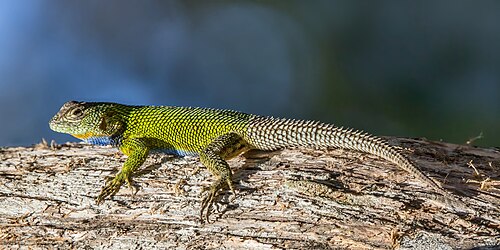
Emerald Swift
Sceloporus malachiticus

Volcano Hummingbird
Selasphorus flammula

Slaty Flowerpiercer
Diglossa plumbea

Clay-colored Thrush
Turdus grayi

Yellow-thighed Finch
Atlapetes tibialis

Mountain Thrush
Turdus plebejus
📊 Most Spotted

Red-tailed Squirrel
Sciurus granatensis

Mexican Hairy Dwarf Porcupine
Sphiggurus mexicanus

Cacomistle
Bassariscus sumichrasti

Collared Peccary
Pecari tajacu

Alston's Brown Mouse
Scotinomys teguina

Common Raccoon
Procyon lotor

Coyote
Canis latrans

Baird's Tapir
Tapirella bairdii

Mexican Deer Mouse
Peromyscus mexicanus

Variegated Squirrel
Sciurus variegatoides

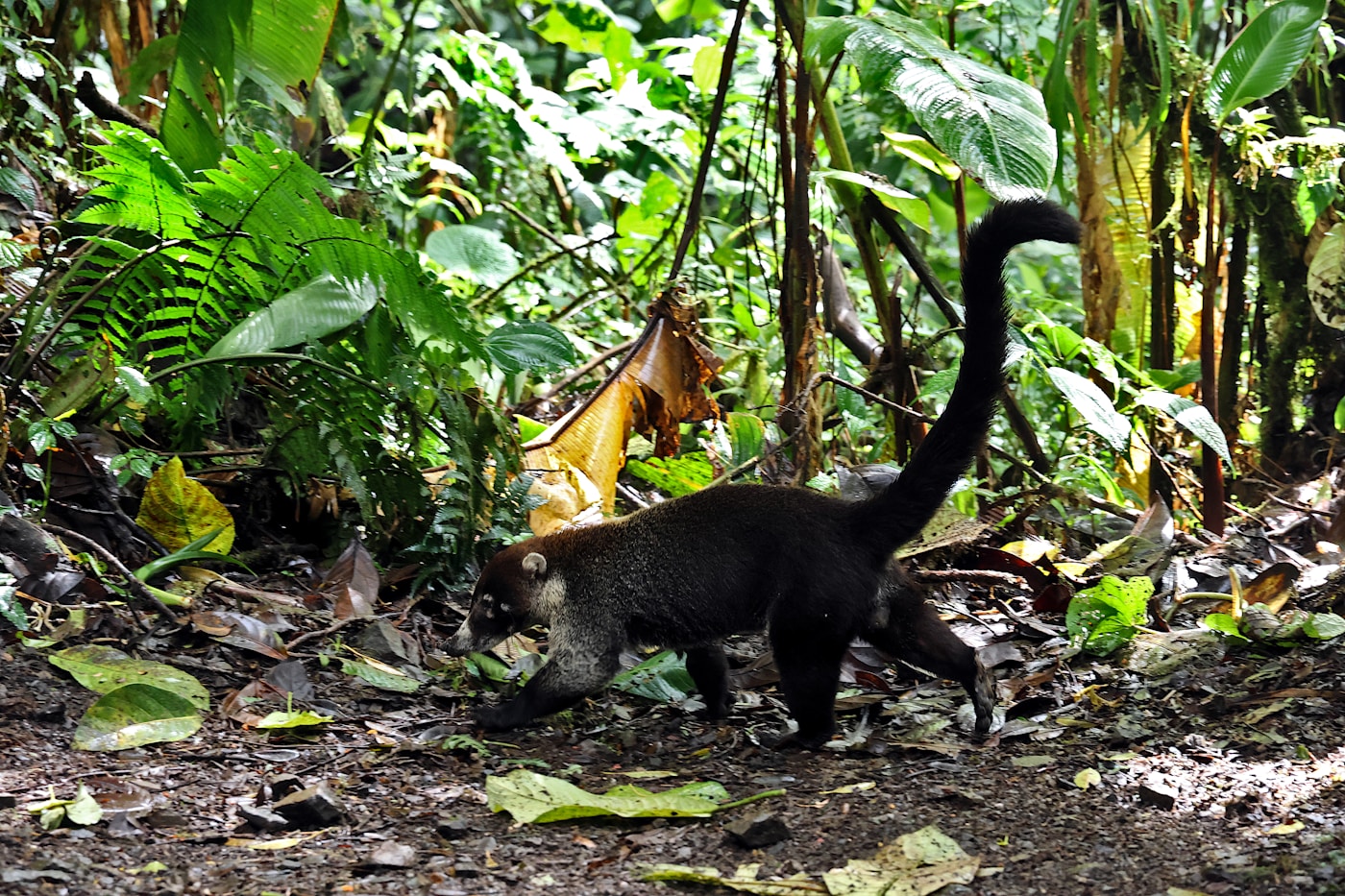
White-nosed Coati
Nasua narica

Boquete Rice Rat
Nephelomys devius
⭐ Iconic Species
★ Resplendent Quetzal
Pharomachrus mocinno
★ Fiery-throated Hummingbird
Panterpe insignis
★ Talamanca Hummingbird
Eugenes spectabilis
★ Long-tailed Silky-flycatcher
Ptilogonys caudatus
📊 Most Spotted
Rufous-collared Sparrow
Zonotrichia capensis
Lesser Violetear
Colibri cyanotus
Flame-colored Tanager
Piranga bidentata
White-throated Mountain-gem
Lampornis castaneoventris
Acorn Woodpecker
Melanerpes formicivorus
Sooty-capped Bush-Tanager
Chlorospingus pileatus
Volcano Hummingbird
Selasphorus flammula
Slaty Flowerpiercer
Diglossa plumbea
Clay-colored Thrush
Turdus grayi
Yellow-thighed Finch
Atlapetes tibialis
Mountain Thrush
Turdus plebejus

Blue-and-white Swallow
Notiochelidon cyanoleuca
📊 Most Spotted
Emerald Swift
Sceloporus malachiticus

Talamancan Palm Pit Viper
Bothriechis nubestris

Montane Alligator Lizard
Abronia monticola
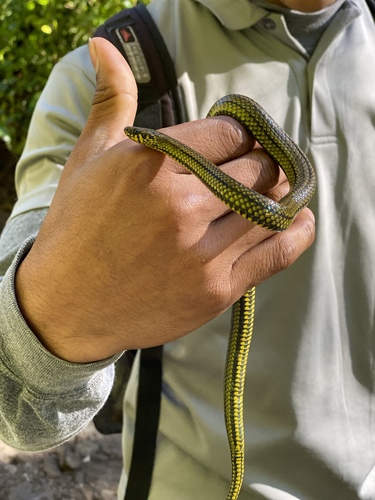
Thick Graceful Brown Snake
Rhadinaea calligaster

Costa Rica Montane Pitviper
Cerrophidion sasai

Swift Anole
Anolis tropidolepis
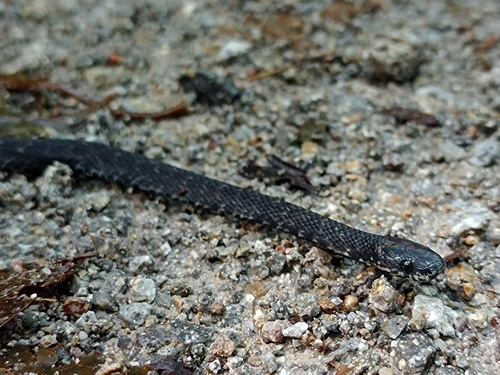
Cope's Coffee Snake
Ninia psephota
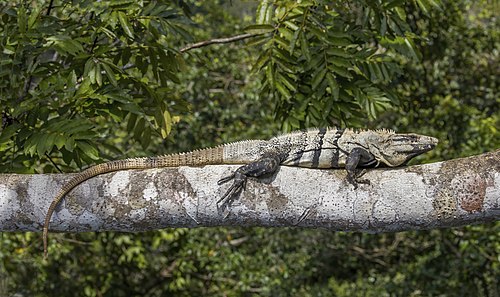
Black Spiny-tailed Iguana
Ctenosaura similis

Godman's Graceful Brown Snake
Rhadinella godmani

Common Basilisk
Basiliscus basiliscus

Humble Anole
Anolis humilis

Border Anole
Anolis limifrons
📊 Most Spotted
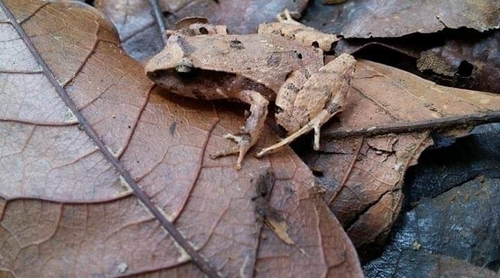
Cerro Utyum Robber Frog
Craugastor podiciferus
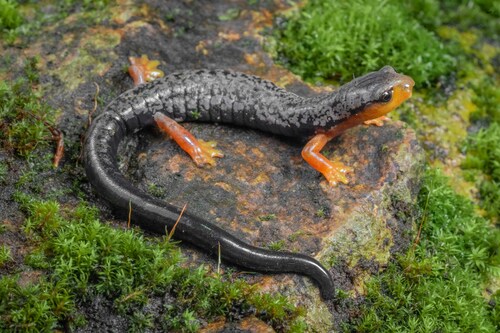
Red-legged Webfoot Salamander
Bolitoglossa pesrubra

Tico Salamander
Bolitoglossa tica

Green and Black Dart-poison Frog
Dendrobates auratus

Grainy Cochran Frog
Cochranella granulosa

Pygmy Rain Frog
Pristimantis ridens

Warszewitsch's Frog
Lithobates warszewitschii
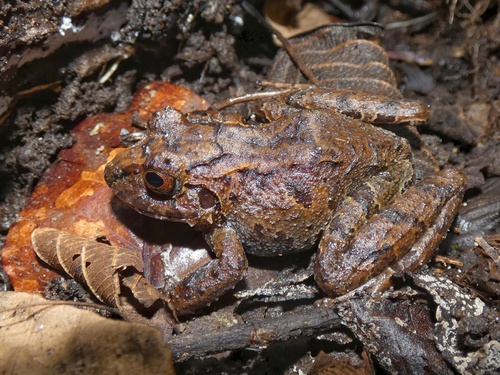
Banded-thighed Rain Frog
Craugastor melanostictus

Red-webbed Tree Frog
Boana rufitela
Animal Events
Resplendent Quetzal Breeding Season
During the breeding season the male Resplendent Quetzal grows iridescent emerald tail streamers that trail nearly a meter behind him, and pairs excavate nest cavities in decaying trunks to raise their young. Watch for the flash of crimson breast and shimmering green as they slip through the mossy cloud forest.
Highland Endemic Hummingbird Season
Lesser Violetears, Fiery-throated Hummingbirds and Volcano Hummingbirds gather to feed at flowering shrubs across these high Talamanca slopes, jostling and hovering in glittering aerial skirmishes. The Fiery-throated's rainbow gorget blazes copper, blue and green when it catches the mountain light.
Talamanca Cloud-Forest Specialty Season
As the cloud-forest specialties enter breeding, Long-tailed Silky-flycatchers perch in family groups fly-catching for berries and insects, Talamanca Hummingbirds defend flowering territories, and Northern Emerald-Toucanets probe the canopy for fruit. Together they showcase the endemic-rich birdlife found only in these misty highland forests.

Sighting Calendar
Chance of spotting each species, month by month
Sighting Zones
Warm areas are where all species together are recorded most, so they track where people go as much as where animals are. For one species, see the map on its own page.
Where Wildlife Score
How good is this park for seeing wildlife?Biodiversity
Very goodHow rich is the wildlife?
Sighting
Very goodHow likely to see animals?
Quick answers
What animals can you see in Los Quetzales National Park?
The most likely sightings are Rufous-collared Sparrow (seen by 80–90% of wildlife watchers), Talamanca Hummingbird (seen by 70–80% of wildlife watchers), Lesser Violetear (seen by 70–80% of wildlife watchers), Flame-colored Tanager (seen by 70–80% of wildlife watchers), White-throated Mountain-gem (seen by 70–80% of wildlife watchers) — among 887 recorded vertebrate species, based on citizen-science data from GBIF.
When is the best time to visit Los Quetzales National Park for wildlife?
April has the highest combined sighting rate for the park's top species in our month-by-month GBIF data. The full sighting calendar on this page shows each species' best months.
Can you see Resplendent Quetzal in Los Quetzales National Park?
Yes — about 50% of wildlife watchers report a Resplendent Quetzal sighting in Los Quetzales National Park, based on 3,264 days of visitor records from GBIF citizen-science data.
Can you see Fiery-throated Hummingbird in Los Quetzales National Park?
Yes — about 39% of wildlife watchers report a Fiery-throated Hummingbird sighting in Los Quetzales National Park, based on 2,567 days of visitor records from GBIF citizen-science data.
Can you see Talamanca Hummingbird in Los Quetzales National Park?
Yes — about 77% of wildlife watchers report a Talamanca Hummingbird sighting in Los Quetzales National Park, based on 5,032 days of visitor records from GBIF citizen-science data.
Can you see Long-tailed Silky-flycatcher in Los Quetzales National Park?
Yes — about 64% of wildlife watchers report a Long-tailed Silky-flycatcher sighting in Los Quetzales National Park, based on 4,186 days of visitor records from GBIF citizen-science data.
Explore Other Parks
 📍 13 km 🐦 Fiery-throated Hummingbirds in Rainy Highlands
 Tapantí-Macizo de la Muerte National Park
 📍 37 km 🐦 Highland Hummingbird Haven
 Chirripó National Park
 📍 43 km 🐦 Highland Hummingbirds & Quetzals
 Irazú Volcano National Park
 📍 54 km 🐋 Humpback Whales Off the Whale's Tail