Masaya Volcano National Park
🇳🇮 Nicaragua
🦎 Best Place for Black Spiny-tailed IguanasMasaya is the rare park where you drive to the rim of an active crater. Its best-known animals are the chocoyos — Pacific parakeets that nest on the inner walls of the Santiago crater and fly in and out through the volcanic gases.
11.995° N 86.161° W
Wildlife
⭐ Iconic Species
 ★
★ Pacific Parakeet
Aratinga strenua
 ★
★ Red-eyed Treefrog
Agalychnis callidryas
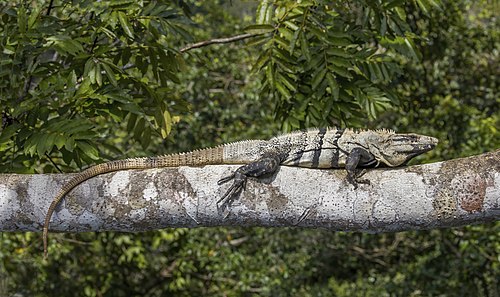 ★
★ Black Spiny-tailed Iguana
Ctenosaura similis
 ★
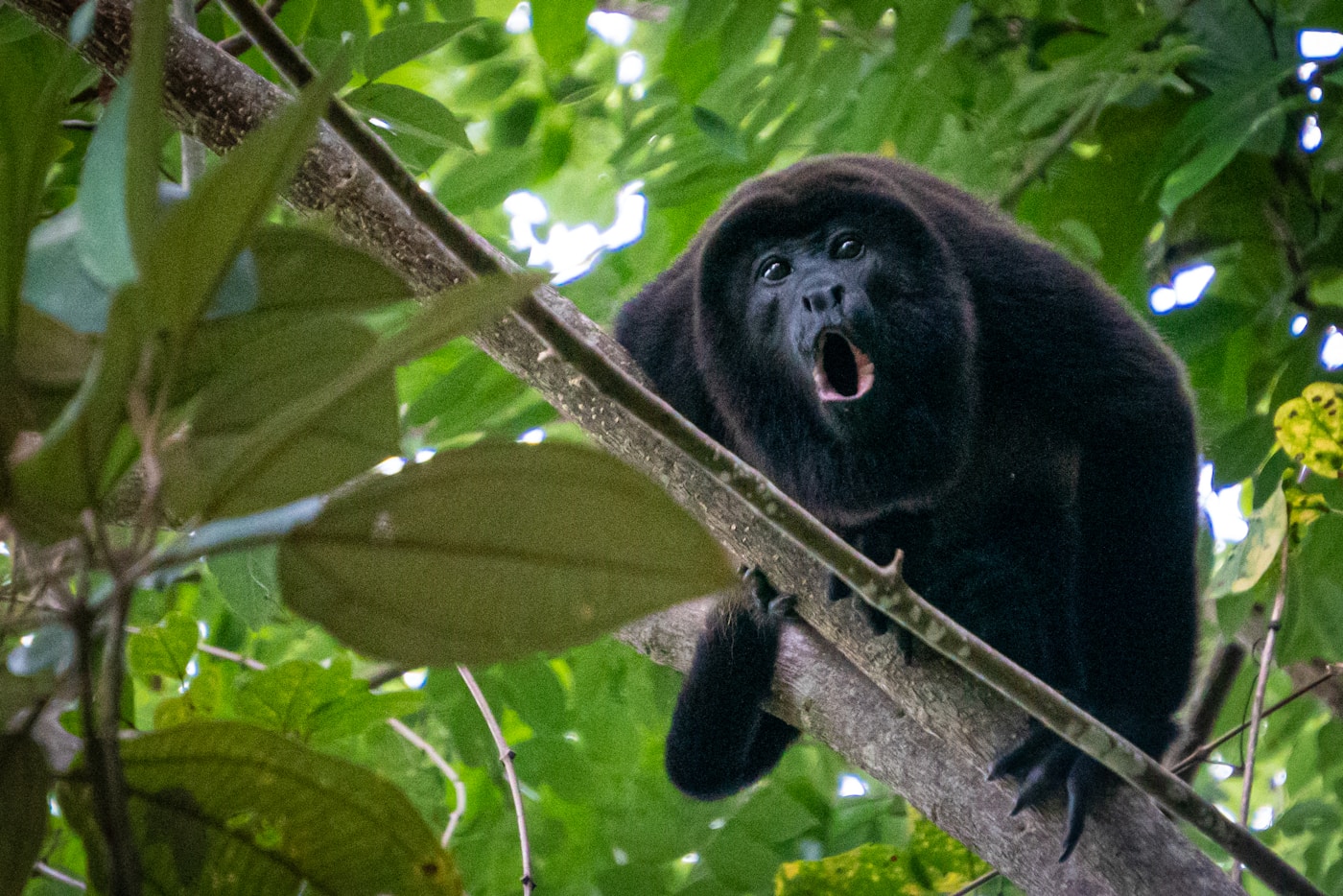
★ Mantled Howler Monkey
Alouatta palliata
📊 Most Spotted

Clay-colored Thrush
Turdus grayi

Rufous-backed Wren
Campylorhynchus capistratus

White-winged Dove
Zenaida asiatica

Hoffmann's Woodpecker
Melanerpes hoffmannii

Cinnamon-bellied Saltator
Saltator grandis

Great Kiskadee
Pitangus sulphuratus

Melodious Blackbird
Dives dives

Turquoise-browed Motmot
Eumomota superciliosa

Tropical Kingbird
Tyrannus melancholicus

Scrub Euphonia
Euphonia affinis

Cinnamon Hummingbird
Amazilia rutila

Ruddy Ground-Dove
Columbina talpacoti
⭐ Iconic Species
📊 Most Spotted

Variegated Squirrel
Sciurus variegatoides

Derby's Woolly Opossum
Caluromys derbianus

Central American White-faced Capuchin
Cebus imitator

Common Opossum
Didelphis marsupialis

White-tailed Deer
Odocoileus virginianus

Jamaican Fruit-eating Bat
Artibeus jamaicensis

Mexican Greater Funnel-eared Bat
Natalus mexicanus

Southern Spotted Skunk
Spilogale angustifrons

Virginia Opossum
Didelphis virginiana

Jaguarundi
Puma yagouaroundi

Sumichrast's Vesper Rat
Nyctomys sumichrasti

Lesser Sac-winged Bat
Saccopteryx leptura
⭐ Iconic Species
📊 Most Spotted
Clay-colored Thrush
Turdus grayi
Rufous-backed Wren
Campylorhynchus capistratus
White-winged Dove
Zenaida asiatica
Hoffmann's Woodpecker
Melanerpes hoffmannii
Cinnamon-bellied Saltator
Saltator grandis
Great Kiskadee
Pitangus sulphuratus
Melodious Blackbird
Dives dives
Turquoise-browed Motmot
Eumomota superciliosa
Tropical Kingbird
Tyrannus melancholicus
Scrub Euphonia
Euphonia affinis
Cinnamon Hummingbird
Amazilia rutila
Ruddy Ground-Dove
Columbina talpacoti
⭐ Iconic Species
📊 Most Spotted

Green Iguana
Iguana iguana

White-throated Gecko
Gonatodes albogularis

Central American Boa
Boa imperator

Blackbelly Racerunner
Aspidoscelis deppii

Rainbow Ameiva
Holcosus undulatus

Common House Gecko
Hemidactylus frenatus

Blood Snake
Stenorrhina freminvillei
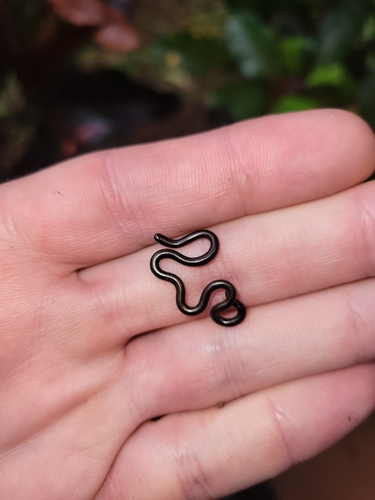
Taylor's Blind Snake
Epictia ater
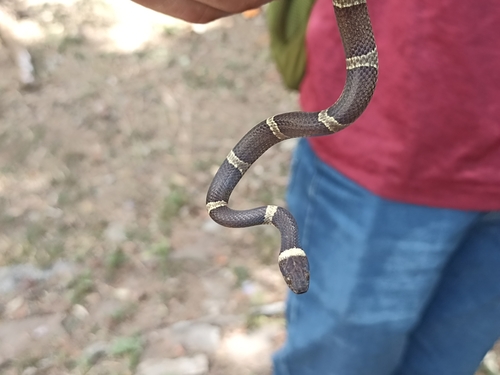
Black-banded Cat-eyed Snake
Leptodeira nigrofasciata

Striped Lowland Snake
Leptodrymus pulcherrimus

Golden Spectacled Tegu
Gymnophthalmus speciosus

Copper Anole
Anolis cupreus


Animal Events
Treefrogs in the Rains
Red-eyed treefrogs and Mexican treefrogs breed through the wet season and call from the forest pools after dark.
Howler Troops in the Dry Forest
Mantled howlers and white-faced capuchins concentrate in the remaining shade and are heard across the whole park.
Iguanas Out in the Open
Black spiny-tailed iguanas and green iguanas bask on the open rock along the crater road, easily seen from the car.
Sighting Calendar
Chance of spotting each species, month by month
Sighting Zones
Warm areas are where all species together are recorded most, so they track where people go as much as where animals are. For one species, see the map on its own page.
Where Wildlife Score
How good is this park for seeing wildlife?Biodiversity
GoodHow rich is the wildlife?
Sighting
GoodHow likely to see animals?
Quick answers
What animals can you see in Masaya Volcano National Park?
The most likely sightings are Clay-colored Thrush (seen by 90–100% of wildlife watchers), Rufous-backed Wren (seen by 90–100% of wildlife watchers), White-winged Dove (seen by 90–100% of wildlife watchers), Hoffmann's Woodpecker (seen by 80–90% of wildlife watchers), Cinnamon-bellied Saltator (seen by 70–80% of wildlife watchers) — among 580 recorded vertebrate species, based on citizen-science data from GBIF.
When is the best time to visit Masaya Volcano National Park for wildlife?
March has the highest combined sighting rate for the park's top species in our month-by-month GBIF data. The full sighting calendar on this page shows each species' best months.
Can you see Pacific Parakeet in Masaya Volcano National Park?
It's possible but not guaranteed: about 11% of wildlife watchers report a Pacific Parakeet sighting in Masaya Volcano National Park, based on 136 days of visitor records from GBIF citizen-science data. Sightings take luck and time in the field.
Can you see Red-eyed Treefrog in Masaya Volcano National Park?
It's possible but not guaranteed: about 6% of wildlife watchers report a Red-eyed Treefrog sighting in Masaya Volcano National Park, based on 1 days of visitor records from GBIF citizen-science data. Sightings take luck and time in the field.
Can you see Black Spiny-tailed Iguana in Masaya Volcano National Park?
Yes — about 46% of wildlife watchers report a Black Spiny-tailed Iguana sighting in Masaya Volcano National Park, based on 24 days of visitor records from GBIF citizen-science data.
Can you see Mantled Howler Monkey in Masaya Volcano National Park?
It's possible but not guaranteed: about 6% of wildlife watchers report a Mantled Howler Monkey sighting in Masaya Volcano National Park, based on 1 days of visitor records from GBIF citizen-science data. Sightings take luck and time in the field.