Monteverde Cloud Forest Reserve
🇨🇷 Costa Rica
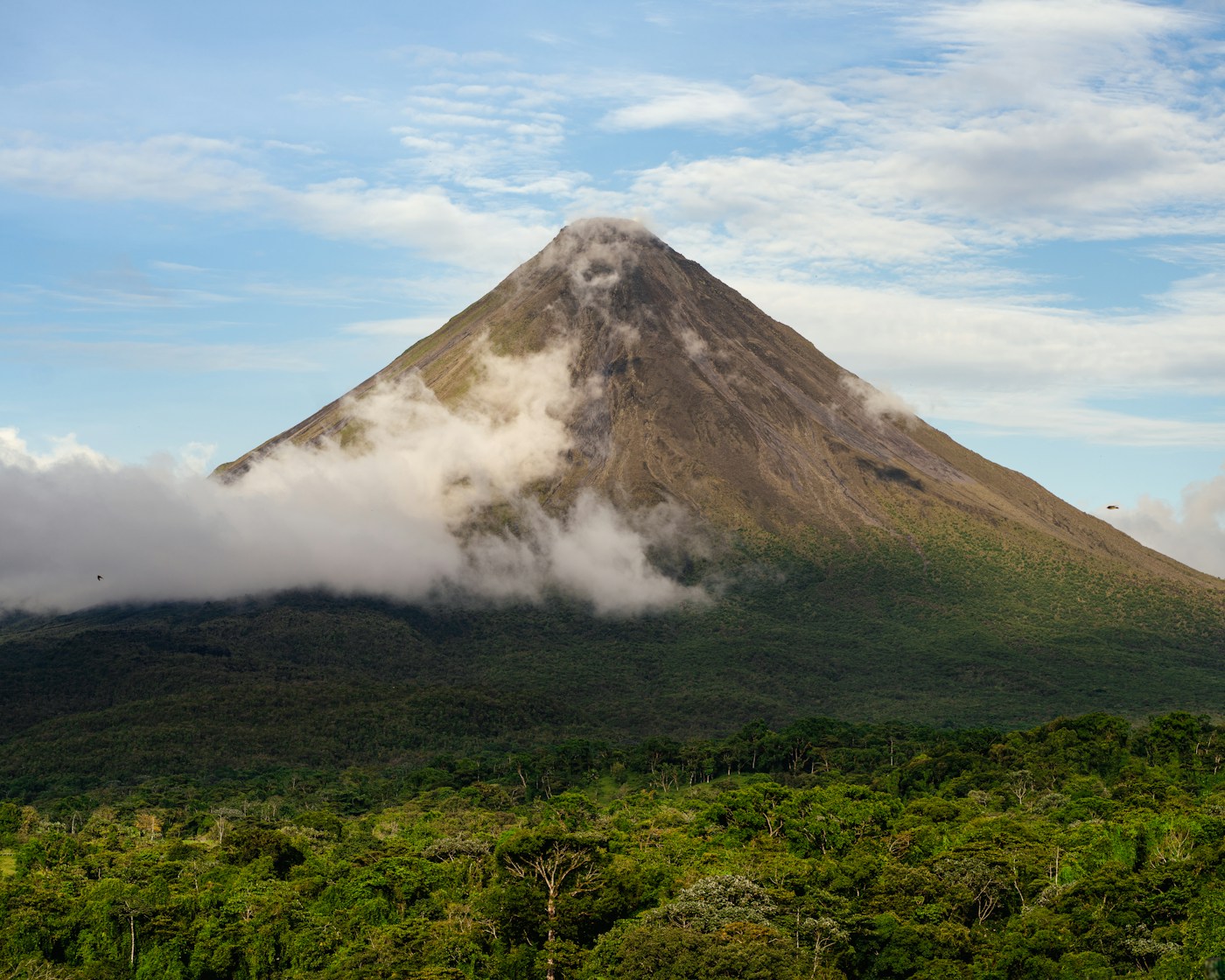
🐦 Quetzals and Bellbirds in the CloudsMonteverde Cloud Forest Reserve protects 10,500 hectares of pristine cloud forest along the Continental Divide in Costa Rica's Tilarán mountain range — one of the most biodiverse ecosystems on Earth. The reserve shelters over 400 bird species including the iconic Resplendent Quetzal, the endangered Three-wattled Bellbird, and 14 species of hummingbirds that visit feeders at the entrance.
10.304° N 84.800° W
Wildlife
⭐ Iconic Species
 ★
★ Resplendent Quetzal
Pharomachrus mocinno
 ★
★ Three-wattled Bellbird
Procnias tricarunculatus
 ★
★ Northern Emerald-Toucanet
Aulacorhynchus prasinus
 ★
★ White-nosed Coati
Nasua narica
📊 Most Spotted

Brown Jay
Psilorhinus morio

Side-striped palm pit viper
Bothriechis lateralis

Lesser Violetear
Colibri cyanotus

Lesson's Motmot
Momotus lessonii

Central American Agouti
Dasyprocta punctata

Southern House Wren
Troglodytes musculus

Slate-throated Redstart
Myioborus miniatus

Purple-throated Mountain-gem
Lampornis calolaemus

Clay-colored Thrush
Turdus grayi

Stripe-tailed Hummingbird
Eupherusa eximia

Great-tailed Grackle
Quiscalus mexicanus

Central American White-faced Capuchin
Cebus imitator
⭐ Iconic Species
📊 Most Spotted
Central American Agouti
Dasyprocta punctata
Central American White-faced Capuchin
Cebus imitator

Variegated Squirrel
Sciurus variegatoides

Hoffmann's Two-toed Sloth
Choloepus hoffmanni

Mantled Howler Monkey
Alouatta palliata

Mexican Hairy Dwarf Porcupine
Sphiggurus mexicanus

Collared Peccary
Pecari tajacu

Kinkajou
Potos flavus

Red-tailed Squirrel
Sciurus granatensis

Central American Spider Monkey
Ateles geoffroyi

Central American Dwarf Squirrel
Microsciurus alfari

Chiriqui Olingo
Bassaricyon gabbii
⭐ Iconic Species
★ Resplendent Quetzal
Pharomachrus mocinno
★ Three-wattled Bellbird
Procnias tricarunculatus
★ Northern Emerald-Toucanet
Aulacorhynchus prasinus
📊 Most Spotted
Brown Jay
Psilorhinus morio
Lesser Violetear
Colibri cyanotus
Lesson's Motmot
Momotus lessonii
Southern House Wren
Troglodytes musculus
Slate-throated Redstart
Myioborus miniatus
Purple-throated Mountain-gem
Lampornis calolaemus
Clay-colored Thrush
Turdus grayi
Stripe-tailed Hummingbird
Eupherusa eximia
Great-tailed Grackle
Quiscalus mexicanus

Keel-billed Toucan
Ramphastos sulfuratus

Common Chlorospingus
Chlorospingus flavopectus

Violet Sabrewing
Campylopterus hemileucurus
📊 Most Spotted
Side-striped palm pit viper
Bothriechis lateralis
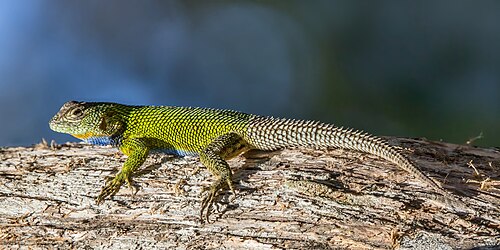
Emerald Swift
Sceloporus malachiticus

Humble Anole
Anolis humilis

Central American Boa
Boa imperator

Decorated Anole
Anolis insignis

Chicken Snake
Spilotes pullatus

Border Anole
Anolis limifrons

Green Rat Snake
Senticolis triaspis

Puffing Snake
Phrynonax poecilonotus

Common House Gecko
Hemidactylus frenatus
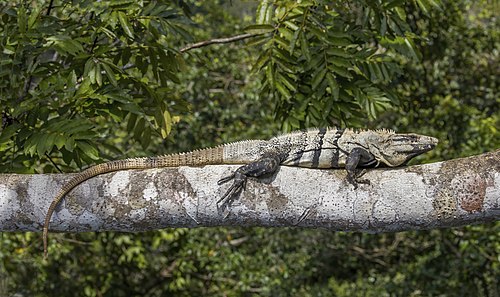
Black Spiny-tailed Iguana
Ctenosaura similis

Stream Anole
Anolis oxylophus
📊 Most Spotted

Warszewitsch's Frog
Lithobates warszewitschii

Pygmy Rain Frog
Pristimantis ridens

Giant Marine Toad
Rhinella horribilis

Rufous-eyed brook frog
Duellmanohyla rufioculis

Golden-groined Robber Frog
Pristimantis cruentus

Forrer's Grass Frog
Lithobates forreri

Emerald Glass Frog
Espadarana prosoblepon

Meadow Tree Frog
Isthmohyla pseudopuma

Masked Tree Frog
Smilisca phaeota

Drab Tree Frog
Smilisca sordida
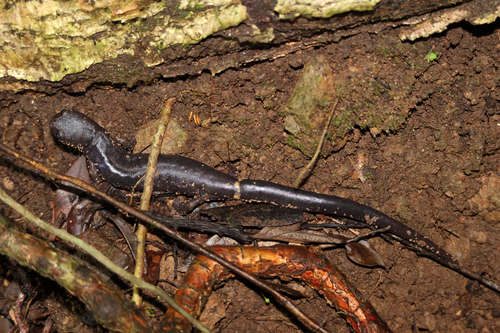
Ringtail Salamander
Bolitoglossa robusta

Fitzinger's Robber Frog
Craugastor fitzingeri
Animal Events
Resplendent Quetzal Breeding Season
The male Resplendent Quetzal grows tail streamers up to a meter long and blazes emerald and crimson as pairs excavate nest holes in decaying trees and court along the cloud forest ridges. Watch for them near fruiting wild avocado trees, a favorite food that draws them into the open.
Three-wattled Bellbird Season
Male Three-wattled Bellbirds gather on high canopy perches to deliver an ear-splitting metallic 'bonk', the three fleshy wattles dangling from the bill quivering with each call. Their booming voices carry across the ridges, making them far easier to hear than to spot.
Neotropical Migrant Bird Season
Waves of northern songbirds pour into the cloud forest to escape winter, brightening the understory with Wilson's Warblers, Black-and-white Warblers creeping along trunks, and rich-red Summer Tanagers. Mixed feeding flocks make this one of the liveliest times for birders.


Sighting Calendar
Chance of spotting each species, month by month
Sighting Zones
Warm areas are where all species together are recorded most, so they track where people go as much as where animals are. For one species, see the map on its own page.
Where Wildlife Score
How good is this park for seeing wildlife?Biodiversity
ExcellentHow rich is the wildlife?
Sighting
Very goodHow likely to see animals?
Quick answers
What animals can you see in Monteverde Cloud Forest Reserve?
The most likely sightings are White-nosed Coati (seen by 70–80% of wildlife watchers), Brown Jay (seen by 60–70% of wildlife watchers), Side-striped palm pit viper (seen by 60–70% of wildlife watchers), Lesser Violetear (seen by 60–70% of wildlife watchers), Lesson's Motmot (seen by 60–70% of wildlife watchers) — among 1205 recorded vertebrate species, based on citizen-science data from GBIF.
When is the best time to visit Monteverde Cloud Forest Reserve for wildlife?
February has the highest combined sighting rate for the park's top species in our month-by-month GBIF data. The full sighting calendar on this page shows each species' best months.
Can you see Resplendent Quetzal in Monteverde Cloud Forest Reserve?
Yes — about 33% of wildlife watchers report a Resplendent Quetzal sighting in Monteverde Cloud Forest Reserve, based on 3,236 days of visitor records from GBIF citizen-science data.
Can you see Three-wattled Bellbird in Monteverde Cloud Forest Reserve?
Yes — about 18% of wildlife watchers report a Three-wattled Bellbird sighting in Monteverde Cloud Forest Reserve, based on 1,740 days of visitor records from GBIF citizen-science data.
Can you see Northern Emerald-Toucanet in Monteverde Cloud Forest Reserve?
Yes — about 61% of wildlife watchers report a Northern Emerald-Toucanet sighting in Monteverde Cloud Forest Reserve, based on 5,885 days of visitor records from GBIF citizen-science data.
Can you see White-nosed Coati in Monteverde Cloud Forest Reserve?
Yes — about 74% of wildlife watchers report a White-nosed Coati sighting in Monteverde Cloud Forest Reserve, based on 849 days of visitor records from GBIF citizen-science data.