Carara National Park
🇨🇷 Costa Rica
🦜 Scarlet Macaw RainforestCarara National Park protects the only transitional zone on Costa Rica's Central Pacific coast, where dry forest meets humid rainforest. With 430+ bird species and the country's largest nesting population of scarlet macaws, it delivers world-class birding just 90 minutes from San José.
9.784° N 84.571° W
Wildlife
⭐ Iconic Species
 ★
★ Scarlet Macaw
Ara macao
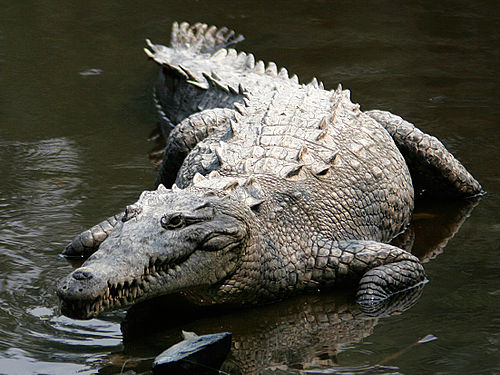 ★
★ American Crocodile
Crocodylus acutus
 ★
★ Central American White-faced Capuchin
Cebus imitator
 ★
★ Green and Black Dart-poison Frog
Dendrobates auratus
📊 Most Spotted
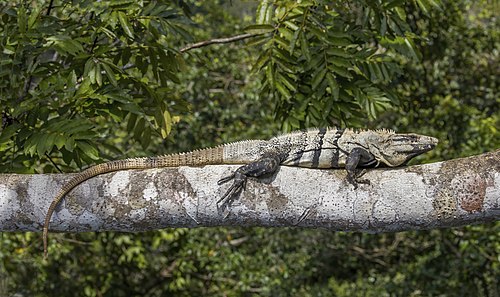
Black Spiny-tailed Iguana
Ctenosaura similis

Common Basilisk
Basiliscus basiliscus

Chestnut-backed Antbird
Myrmeciza exsul

Black-hooded Antshrike
Thamnophilus bridgesi

Delicate Ameiva
Holcosus leptophrys

Clay-colored Thrush
Turdus grayi

Rufous-backed Wren
Campylorhynchus capistratus

Turkey Vulture
Cathartes aura

Black Vulture
Coragyps atratus

Great Kiskadee
Pitangus sulphuratus

Black-mandibled Toucan
Ramphastos ambiguus

Central American Agouti
Dasyprocta punctata
⭐ Iconic Species
📊 Most Spotted
Central American Agouti
Dasyprocta punctata

Variegated Squirrel
Sciurus variegatoides

Mantled Howler Monkey
Alouatta palliata

White-nosed Coati
Nasua narica

Northern Ghost Bat
Diclidurus albus

White-tailed Deer
Odocoileus virginianus

Northern Tamandua
Tamandua mexicana

Greater Sac-winged Bat
Saccopteryx bilineata

Hoffmann's Two-toed Sloth
Choloepus hoffmanni

Proboscis Bat
Rhynchonycteris naso

Common tent-making Bat
Uroderma bilobatum

Brown-throated Sloth
Bradypus variegatus
⭐ Iconic Species
📊 Most Spotted
Chestnut-backed Antbird
Myrmeciza exsul
Black-hooded Antshrike
Thamnophilus bridgesi
Clay-colored Thrush
Turdus grayi
Rufous-backed Wren
Campylorhynchus capistratus
Turkey Vulture
Cathartes aura
Black Vulture
Coragyps atratus
Great Kiskadee
Pitangus sulphuratus
Black-mandibled Toucan
Ramphastos ambiguus

Orange-billed Sparrow
Arremon aurantiirostris

Hoffmann's Woodpecker
Melanerpes hoffmannii

Lesser Greenlet
Hylophilus decurtatus

Blue-gray Tanager
Thraupis episcopus
⭐ Iconic Species
📊 Most Spotted
Black Spiny-tailed Iguana
Ctenosaura similis
Common Basilisk
Basiliscus basiliscus
Delicate Ameiva
Holcosus leptophrys

Copper Anole
Anolis cupreus

Green Iguana
Iguana iguana

White-throated Gecko
Gonatodes albogularis

Many-scaled Anole
Anolis polylepis

Helmeted Iguana
Corytophanes cristatus

Fer-de-lance
Bothrops asper

Common House Gecko
Hemidactylus frenatus

Border Anole
Anolis limifrons

Neotropical Green Anole
Anolis biporcatus
⭐ Iconic Species
📊 Most Spotted

Giant Marine Toad
Rhinella horribilis

Harlequin Treefrog
Dendropsophus ebraccatus

Yellow Treefrog
Dendropsophus microcephalus

Red-eyed Treefrog
Agalychnis callidryas

Savage's Thin-toed Frog
Leptodactylus savagei

Fitzinger's Robber Frog
Craugastor fitzingeri

Rainforest Toad
Incilius aucoinae

Sipurio Snouted Treefrog
Scinax elaeochroa

Masked Tree Frog
Smilisca phaeota
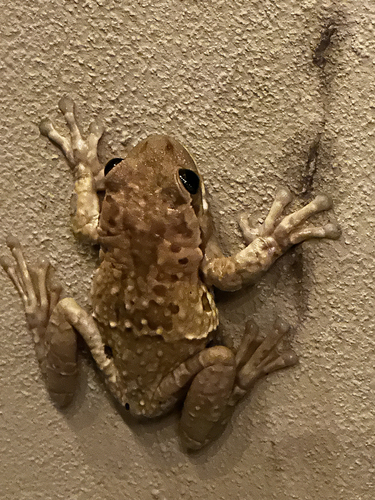
Milk Frog
Trachycephalus macrotis

Yellow Toad
Incilius luetkenii

Drab Tree Frog
Smilisca sordida
Animal Events
Scarlet Macaw Nesting Season
Brilliant crimson-and-blue Scarlet Macaws pair off and claim cavities high in old-growth trees, their raucous squawks echoing through the canopy as mated couples ferry food to nestlings. Watch for the flashes of scarlet as devoted partners fly wingtip to wingtip between roost and nest.
American Crocodile Nesting
Female American Crocodiles haul out to excavate riverbank nests and guard their clutches, a rare glimpse of maternal care in one of the largest reptiles in the Americas. The Tárcoles population gathers in impressive numbers, with hefty adults basking along the muddy banks.
Migratory Bird Peak
Flocks of northern songbirds pour into the forest to escape the cold, splashing the understory with the gold of Yellow Warblers, the fiery orange of Baltimore Orioles, and the deep red of Summer Tanagers. Their arrival swells birdlife to its most colorful and abundant.


Sighting Calendar
Chance of spotting each species, month by month
Sighting Zones
Warm areas are where all species together are recorded most, so they track where people go as much as where animals are. For one species, see the map on its own page.
Where Wildlife Score
How good is this park for seeing wildlife?Biodiversity
Very goodHow rich is the wildlife?
Sighting
Very goodHow likely to see animals?
Quick answers
What animals can you see in Carara National Park?
The most likely sightings are Black Spiny-tailed Iguana (seen by 80–90% of wildlife watchers), Scarlet Macaw (seen by 70–80% of wildlife watchers), Green and Black Dart-poison Frog (seen by 70–80% of wildlife watchers), Common Basilisk (seen by 60–70% of wildlife watchers), Chestnut-backed Antbird (seen by 50–60% of wildlife watchers) — among 1084 recorded vertebrate species, based on citizen-science data from GBIF.
When is the best time to visit Carara National Park for wildlife?
April has the highest combined sighting rate for the park's top species in our month-by-month GBIF data. The full sighting calendar on this page shows each species' best months.
Can you see Scarlet Macaw in Carara National Park?
Yes — about 79% of wildlife watchers report a Scarlet Macaw sighting in Carara National Park, based on 3,769 days of visitor records from GBIF citizen-science data.
Can you see American Crocodile in Carara National Park?
Yes — about 21% of wildlife watchers report a American Crocodile sighting in Carara National Park, based on 28 days of visitor records from GBIF citizen-science data.
Can you see Central American White-faced Capuchin in Carara National Park?
Yes — about 56% of wildlife watchers report a Central American White-faced Capuchin sighting in Carara National Park, based on 163 days of visitor records from GBIF citizen-science data.
Can you see Green and Black Dart-poison Frog in Carara National Park?
Yes — about 75% of wildlife watchers report a Green and Black Dart-poison Frog sighting in Carara National Park, based on 353 days of visitor records from GBIF citizen-science data.