Nitmiluk National Park
🇦🇺 Australia
🐊 Watch Freshwater Crocodiles Basking DrylyNitmiluk National Park is a rugged sandstone landscape in Australia's Northern Territory, defined by deep river gorges and rocky plateaus. Deep within the canyons, visitors encounter the Freshwater Crocodile resting on sandy riverbanks during the warm daylight hours.
-14.094° S 132.508° E
Wildlife
⭐ Iconic Species
 ★
★ Freshwater Crocodile
Crocodylus johnsoni
 ★
★ Rockhole Frog
Litoria meiriana
 ★
★ Black Flying-fox
Pteropus alecto
 ★
★ Agile Wallaby
Macropus agilis
📊 Most Spotted

Great Bowerbird
Chlamydera nuchalis

Red-collared Lorikeet
Trichoglossus rubritorquis

Bar-shouldered Dove
Geopelia humeralis

Brown Honeyeater
Lichmera indistincta

Sulphur-crested Cockatoo
Cacatua galerita

Rainbow Bee-eater
Merops ornatus

Torresian Crow
Corvus orru

White-gaped Honeyeater
Stomiopera unicolor

Peaceful Dove
Geopelia placida

White-throated Honeyeater
Melithreptus albogularis

Blue-faced Honeyeater
Entomyzon cyanotis

Bauxite Rainbow Skink
Carlia amax
⭐ Iconic Species
📊 Most Spotted

Little Red Flying Fox
Pteropus scapulatus

Wallaroo
Macropus robustus
Sandstone Dibbler
Pseudantechinus bilarni

Common Brushtail
Trichosurus vulpecula

Northern Brown Bandicoot
Isoodon macrourus

Sharp-nosed Tomb Bat
Taphozous georgianus
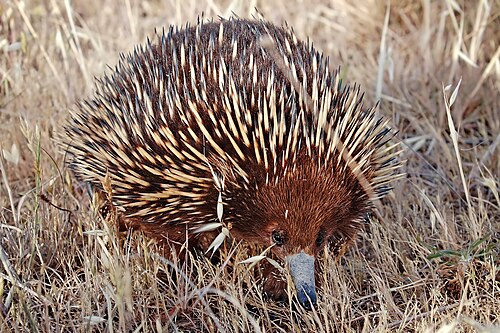
Short-beaked Echidna
Tachyglossus aculeatus
Hoary Wattled Bat
Chalinolobus nigrogriseus

Australasian Bent-winged Bat
Miniopterus orianae

Antilopine Kangaroo
Macropus antilopinus
Pseudochirus dahlii
Pseudochirus dahlii
Western Red-cheeked Dunnart
Sminthopsis nitela
📊 Most Spotted
Great Bowerbird
Chlamydera nuchalis
Red-collared Lorikeet
Trichoglossus rubritorquis
Bar-shouldered Dove
Geopelia humeralis
Brown Honeyeater
Lichmera indistincta
Sulphur-crested Cockatoo
Cacatua galerita
Rainbow Bee-eater
Merops ornatus
Torresian Crow
Corvus orru
White-gaped Honeyeater
Stomiopera unicolor
Peaceful Dove
Geopelia placida
White-throated Honeyeater
Melithreptus albogularis
Blue-faced Honeyeater
Entomyzon cyanotis

White-bellied Cuckooshrike
Coracina papuensis
⭐ Iconic Species
📊 Most Spotted
Bauxite Rainbow Skink
Carlia amax

Olive Python
Liasis olivaceus

Mertens's Water Monitor
Varanus mertensi
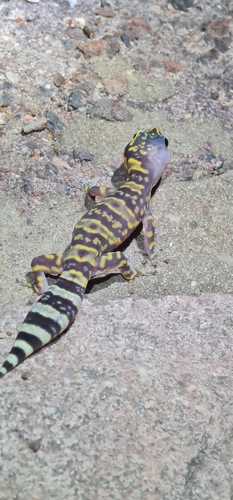
Marbled Velvet Gecko
Oedura marmorata
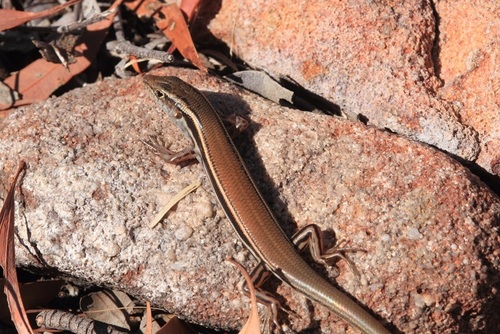
Brown-backed Ctenotus
Ctenotus coggeri

Black-palmed Rock Monitor
Varanus glebopalma

Black Treesnake
Dendrelaphis punctulatus

Papuan Whipsnake
Demansia papuensis

Burton's Legless Lizard
Lialis burtonis

Mair's Keelback
Tropidonophis mairii

Children's Python
Antaresia childreni
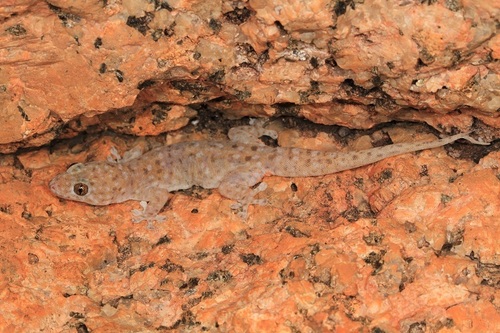
Northern Spotted Rock Dtella
Gehyra nana
⭐ Iconic Species
📊 Most Spotted

Eastern Cane Toad
Rhinella marina

Watjulum Frog
Litoria watjulumensis
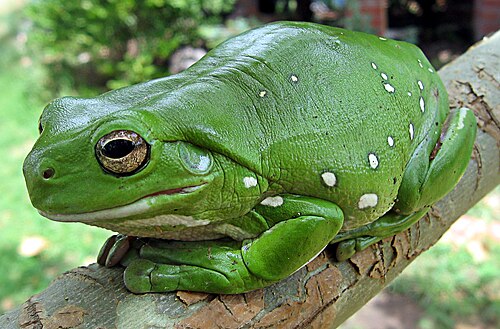
Ranoidea caerulea
Ranoidea caerulea

Copland's Rock Frog
Litoria coplandi

Peter's Frog
Litoria inermis
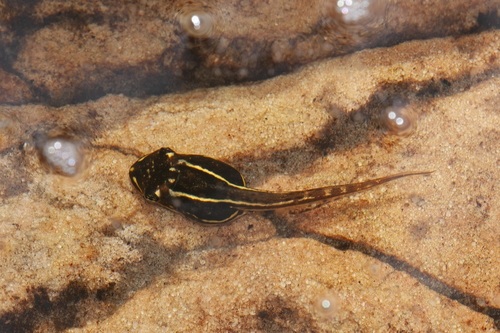
Masked Frog
Litoria personata

Desert Tree Frog
Litoria rubella

Ornate Burrowing Frog
Platyplectrum ornatum

Stonemason's Toadlet
Uperoleia lithomoda
Animal Events
Dry Season Gorge Basking
During the cooler dry season months, freshwater crocodiles congregate on the sandy banks of the Katherine River gorge to bask and regulate their body temperatures in the sun.
Wet Season Bauxite Skink Breeding Activity
With the arrival of tropical monsoon rains, the Bauxite Rainbow Skink increases its territorial courtship displays and foraging activity across the humid leaf litter.
Rockhole Amphibian Breeding Chorus
As seasonal pools fill with rain, specialized rock-dwelling frogs gather in sandstone crevices to vocalize, breed, and lay eggs in temporary rockholes.
Sighting Calendar
Chance of spotting each species, month by month
Sighting Zones
Warm areas are where all species together are recorded most, so they track where people go as much as where animals are. For one species, see the map on its own page.
Where Wildlife Score
How good is this park for seeing wildlife?Biodiversity
GoodHow rich is the wildlife?
Sighting
GoodHow likely to see animals?
Quick answers
What animals can you see in Nitmiluk National Park?
The most likely sightings are Great Bowerbird (seen by 70–80% of wildlife watchers), Red-collared Lorikeet (seen by 70–80% of wildlife watchers), Bar-shouldered Dove (seen by 70–80% of wildlife watchers), Freshwater Crocodile (seen by 70–80% of wildlife watchers), Brown Honeyeater (seen by 60–70% of wildlife watchers) — among 599 recorded vertebrate species, based on citizen-science data from GBIF.
When is the best time to visit Nitmiluk National Park for wildlife?
June has the highest combined sighting rate for the park's top species in our month-by-month GBIF data. The full sighting calendar on this page shows each species' best months.
Can you see Freshwater Crocodile in Nitmiluk National Park?
Yes — about 71% of wildlife watchers report a Freshwater Crocodile sighting in Nitmiluk National Park, based on 56 days of visitor records from GBIF citizen-science data.
Can you see Rockhole Frog in Nitmiluk National Park?
Yes — about 51% of wildlife watchers report a Rockhole Frog sighting in Nitmiluk National Park, based on 25 days of visitor records from GBIF citizen-science data.
Can you see Black Flying-fox in Nitmiluk National Park?
Yes — about 38% of wildlife watchers report a Black Flying-fox sighting in Nitmiluk National Park, based on 14 days of visitor records from GBIF citizen-science data.
Can you see Agile Wallaby in Nitmiluk National Park?
Yes — about 29% of wildlife watchers report a Agile Wallaby sighting in Nitmiluk National Park, based on 9 days of visitor records from GBIF citizen-science data.


