Noosa National Park
🇦🇺 Australia
🦎 Lace Monitors Cross the Coastal TrackNoosa National Park sits on the Sunshine Coast of Queensland, Australia, where temperate forest clings to sandstone cliffs and sandy beaches. The park’s mix of coastal heath, eucalypt woodland and rainforest gullies creates a mosaic that feels different from the surrounding hinterland.
-26.388° S 153.105° E
Wildlife
⭐ Iconic Species
 ★
★ Australian Brush-turkey
Alectura lathami
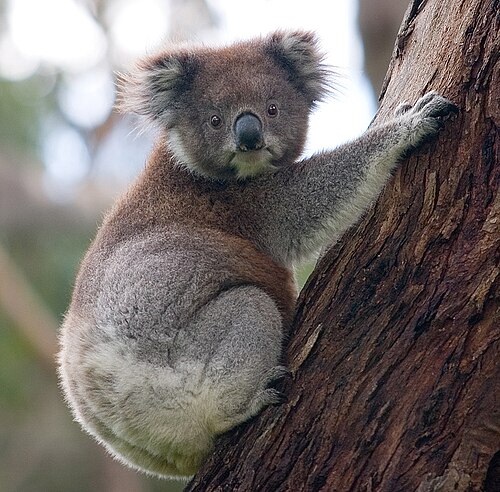 ★
★ Koala
Phascolarctos cinereus
 ★
★ Lace Monitor
Varanus varius
📊 Most Spotted

Torresian Crow
Corvus orru

Coconut Lorikeet
Trichoglossus haematodus

Noisy Friarbird
Philemon corniculatus

Lewin's Honeyeater
Meliphaga lewinii

Laughing Kookaburra
Dacelo novaeguineae

Noisy Miner
Manorina melanocephala

Major Skink
Bellatorias frerei

Pied Currawong
Strepera graculina

Australian Magpie
Gymnorhina tibicen

Australian Pied Cormorant
Phalacrocorax varius

Brown Honeyeater
Lichmera indistincta

Crested Tern
Thalasseus bergii
⭐ Iconic Species
📊 Most Spotted
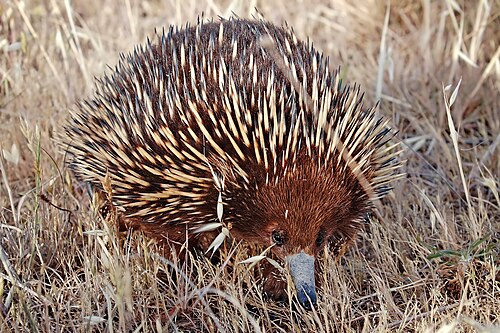
Short-beaked Echidna
Tachyglossus aculeatus

Common Ringtail Possum
Pseudocheirus peregrinus

Swamp Wallaby
Wallabia bicolor

Eastern Grey Kangaroo
Macropus giganteus
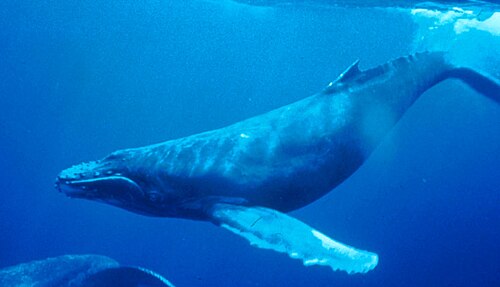
Humpback Whale
Megaptera novaeangliae

Red Fox
Vulpes vulpes

Queensland Tube-nosed Fruit Bat
Nyctimene robinsoni

Short-eared Possum
Trichosurus caninus

Indo-Pacific Bottlenose Dolphin
Tursiops aduncus
⭐ Iconic Species
📊 Most Spotted
Torresian Crow
Corvus orru
Coconut Lorikeet
Trichoglossus haematodus
Noisy Friarbird
Philemon corniculatus
Lewin's Honeyeater
Meliphaga lewinii
Laughing Kookaburra
Dacelo novaeguineae
Noisy Miner
Manorina melanocephala
Pied Currawong
Strepera graculina
Australian Magpie
Gymnorhina tibicen
Australian Pied Cormorant
Phalacrocorax varius
Brown Honeyeater
Lichmera indistincta
Crested Tern
Thalasseus bergii

Spangled Drongo
Dicrurus bracteatus
⭐ Iconic Species
📊 Most Spotted
Major Skink
Bellatorias frerei

Common Bluetongue
Tiliqua scincoides

Carpet Python
Morelia spilota

Elegant Snake-eyed Skink
Cryptoblepharus pulcher

Bar-sided Skink
Concinnia tenuis

Frill-necked Lizard
Chlamydosaurus kingii

Black Treesnake
Dendrelaphis punctulatus

Copper-tailed Ctenotus
Ctenotus taeniolatus

Eastern Brown Snake
Pseudonaja textilis

Red-bellied Black Snake
Pseudechis porphyriacus

Common House Gecko
Hemidactylus frenatus

Bearded Dragon
Pogona barbata


Animal Events
Humpback Whale Migration
Humpback whales migrate north along the coast in winter, often breaching close to shore near Noosa Heads. Boat tours and headland vantage points offer prime viewing.
Koala Foraging Season
Koalas are most active during cooler months, feeding on eucalyptus leaves in the park’s woodlands. Rangers report increased sightings near the boardwalks.
Lace Monitor Courtship Displays
Large Lace Monitors emerge in summer to mate, engaging in dramatic combat rituals and territorial displays near fallen logs and picnic areas.
Sighting Calendar
Chance of spotting each species, month by month
Sighting Zones
Warm areas are where all species together are recorded most, so they track where people go as much as where animals are. For one species, see the map on its own page.
Where Wildlife Score
How good is this park for seeing wildlife?Biodiversity
ExcellentHow rich is the wildlife?
Sighting
Very goodHow likely to see animals?
Quick answers
What animals can you see in Noosa National Park?
The most likely sightings are Australian Brush-turkey (seen by 80–90% of wildlife watchers), Torresian Crow (seen by 70–80% of wildlife watchers), Lace Monitor (seen by 70–80% of wildlife watchers), Coconut Lorikeet (seen by 70–80% of wildlife watchers), Noisy Friarbird (seen by 60–70% of wildlife watchers) — among 744 recorded vertebrate species, based on citizen-science data from GBIF.
When is the best time to visit Noosa National Park for wildlife?
September has the highest combined sighting rate for the park's top species in our month-by-month GBIF data. The full sighting calendar on this page shows each species' best months.
Can you see Australian Brush-turkey in Noosa National Park?
Yes — about 84% of wildlife watchers report a Australian Brush-turkey sighting in Noosa National Park, based on 124 days of visitor records from GBIF citizen-science data.
Can you see Koala in Noosa National Park?
It's possible but not guaranteed: about 14% of wildlife watchers report a Koala sighting in Noosa National Park, based on 3 days of visitor records from GBIF citizen-science data. Sightings take luck and time in the field.
Can you see Lace Monitor in Noosa National Park?
Yes — about 75% of wildlife watchers report a Lace Monitor sighting in Noosa National Park, based on 73 days of visitor records from GBIF citizen-science data.
Explore Other Parks
_Lamington_2.jpg?width=1920) 📍 199 km 🐦 Lewin's Honeyeater Sings Lamington's Canopies
📍 199 km 🐦 Lewin's Honeyeater Sings Lamington's Canopies Lamington National Park
 📍 203 km 🐦 Lewin's Honeyeater Thrives in Springbrook
 Springbrook National Park
 📍 866 km 🦫 Watch for Platypus in Mountain Creeks
 Blue Mountains National Park
 📍 881 km 🦎 Water Dragons Bask on Coastal Sandstone