Pico Bonito National Park
🇭🇳 Honduras
🐦 Keel-billed Toucan ForestPico Bonito rises straight out of the Caribbean coast behind La Ceiba, from lowland rainforest to cloud forest in a few kilometres. White-faced capuchins and mantled howlers are the mammals you are most likely to meet, and keel-billed toucans are recorded on more than half of all visits.
15.609° N 86.847° W
Wildlife
⭐ Iconic Species
 ★
★ Central American White-faced Capuchin
Cebus imitator
 ★
★ Keel-billed Toucan
Ramphastos sulfuratus
 ★
★ Central American Spider Monkey
Ateles geoffroyi
 ★
★ Keel-billed Motmot
Electron carinatum
📊 Most Spotted

Montezuma Oropendola
Psarocolius montezuma

Brown Jay
Psilorhinus morio

Brown Basilisk
Basiliscus vittatus

Atlántida Scaly Anole
Anolis wilsoni

Rufous-tailed Hummingbird
Amazilia tzacatl

Ghost Anole
Anolis lemurinus

Clay-colored Thrush
Turdus grayi

Great Kiskadee
Pitangus sulphuratus

Social Flycatcher
Myiozetetes similis

Golden-fronted Woodpecker
Melanerpes aurifrons

Spot-breasted Wren
Pheugopedius maculipectus

Olive-backed Euphonia
Euphonia gouldi
⭐ Iconic Species
★ Central American White-faced Capuchin
Cebus imitator
★ Central American Spider Monkey
Ateles geoffroyi
📊 Most Spotted

Variegated Squirrel
Sciurus variegatoides

Central American Agouti
Dasyprocta punctata

Mexican Mouse Opossum
Marmosa mexicana

White-nosed Coati
Nasua narica

Tayra
Eira barbara

West Indian Manatee
Trichechus manatus

Northern Tamandua
Tamandua mexicana

Common Opossum
Didelphis marsupialis

Brown-throated Sloth
Bradypus variegatus

Watson's climbing rat
Tylomys watsoni

Common Raccoon
Procyon lotor

Proboscis Bat
Rhynchonycteris naso
⭐ Iconic Species
📊 Most Spotted
Montezuma Oropendola
Psarocolius montezuma
Brown Jay
Psilorhinus morio
Rufous-tailed Hummingbird
Amazilia tzacatl
Clay-colored Thrush
Turdus grayi
Great Kiskadee
Pitangus sulphuratus
Social Flycatcher
Myiozetetes similis
Golden-fronted Woodpecker
Melanerpes aurifrons
Spot-breasted Wren
Pheugopedius maculipectus
Olive-backed Euphonia
Euphonia gouldi

Lesser Greenlet
Hylophilus decurtatus

Collared Aracari
Pteroglossus torquatus

Black Vulture
Coragyps atratus
📊 Most Spotted
Brown Basilisk
Basiliscus vittatus
Atlántida Scaly Anole
Anolis wilsoni
Ghost Anole
Anolis lemurinus

Blunthead Tree Snake
Imantodes cenchoa

Helmeted Iguana
Corytophanes cristatus

Red Coffee Snake
Ninia sebae

Green Iguana
Iguana iguana

Rainforest Hog-nosed Viper
Porthidium nasutum

Central American Coral Snake
Micrurus nigrocinctus

Middle American Ameiva
Holcosus festivus

Neotropical Green Anole
Anolis biporcatus

Central American Jumping Pit Viper
Metlapilcoatlus mexicanus
📊 Most Spotted
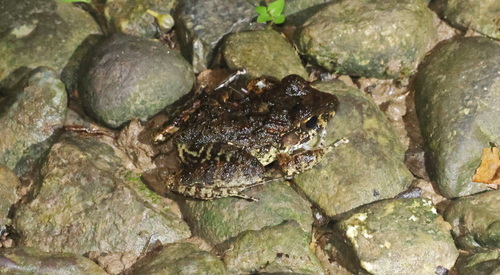
Nombre de Dios Streamside Frog
Craugastor aurilegulus

Mexican Smilisca
Smilisca baudinii

Giant Marine Toad
Rhinella horribilis
Honduras Rainforest Toad
Incilius leucomyos
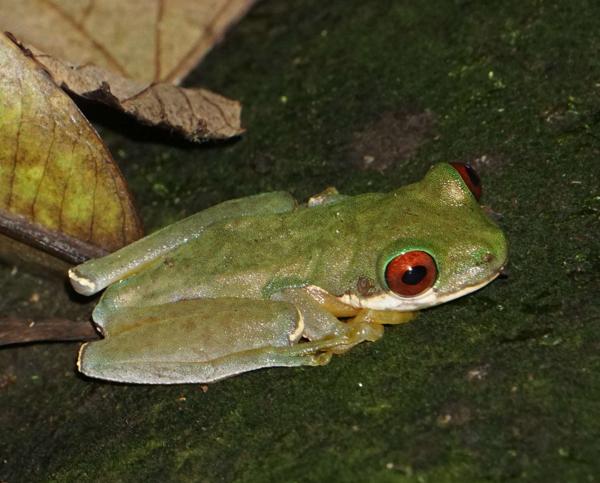
Honduran Brook Frog
Duellmanohyla salvavida

Central American Gulf Coast Toad
Incilius valliceps

Browns' Frog
Lithobates brownorum

Vaillant's Frog
Lithobates vaillanti

Ceiba Stream Frog
Atlantihyla spinipollex

Mexican Mushroomtongue Salamander
Bolitoglossa mexicana

Savage's Thin-toed Frog
Leptodactylus savagei

Yellow Treefrog
Dendropsophus microcephalus
Animal Events
Frog Chorus in the Rains
Mexican treefrogs and the endemic Craugastor rainfrogs call from the streams and leaf litter through the wettest months.
Monkey Troops in the Dry Months
White-faced capuchins and spider monkeys move lower down the slopes and are at their most visible of the year.
Boreal Migrants Arrive
Ovenbirds, northern waterthrushes and eastern wood-pewees pass through the forest heading south.


Sighting Calendar
Chance of spotting each species, month by month
Sighting Zones
Warm areas are where all species together are recorded most, so they track where people go as much as where animals are. For one species, see the map on its own page.
Where Wildlife Score
How good is this park for seeing wildlife?Biodiversity
ExcellentHow rich is the wildlife?
Sighting
ExcellentHow likely to see animals?
Quick answers
What animals can you see in Pico Bonito National Park?
The most likely sightings are Montezuma Oropendola (seen by 70–80% of wildlife watchers), Brown Jay (seen by 70–80% of wildlife watchers), Keel-billed Toucan (seen by 70–80% of wildlife watchers), Brown Basilisk (seen by 60–70% of wildlife watchers), Atlántida Scaly Anole (seen by 60–70% of wildlife watchers) — among 966 recorded vertebrate species, based on citizen-science data from GBIF.
When is the best time to visit Pico Bonito National Park for wildlife?
June has the highest combined sighting rate for the park's top species in our month-by-month GBIF data. The full sighting calendar on this page shows each species' best months.
Can you see Central American White-faced Capuchin in Pico Bonito National Park?
Yes — about 35% of wildlife watchers report a Central American White-faced Capuchin sighting in Pico Bonito National Park, based on 18 days of visitor records from GBIF citizen-science data.
Can you see Keel-billed Toucan in Pico Bonito National Park?
Yes — about 74% of wildlife watchers report a Keel-billed Toucan sighting in Pico Bonito National Park, based on 514 days of visitor records from GBIF citizen-science data.
Can you see Central American Spider Monkey in Pico Bonito National Park?
Yes — about 17% of wildlife watchers report a Central American Spider Monkey sighting in Pico Bonito National Park, based on 5 days of visitor records from GBIF citizen-science data.
Can you see Keel-billed Motmot in Pico Bonito National Park?
It's possible but not guaranteed: about 9% of wildlife watchers report a Keel-billed Motmot sighting in Pico Bonito National Park, based on 60 days of visitor records from GBIF citizen-science data. Sightings take luck and time in the field.


