Pilanesberg National Park
🇿🇦 South Africa
🐘 Elephants Thrive in PilanesbergPilanesberg National Park is a protected tropical savanna reserve in South Africa, set within a series of ancient ring-shaped volcanic ridges. Open grassland plains and scattered acacia thickets dominate this terrain, crossed by dusty vehicle tracks rather than walking paths.
-25.240° S 27.057° E
Wildlife
⭐ Iconic Species
 ★
★ African Bush Elephant
Loxodonta africana
 ★
★ White Rhinoceros
Ceratotherium simum
 ★
★ Lion
Panthera leo
📊 Most Spotted

Grey Go-Away-Bird
Corythaixoides concolor

Common Bulbul
Pycnonotus barbatus

Natal Francolin
Pternistis natalensis

Helmeted Guineafowl
Numida meleagris

Fork-tailed Drongo
Dicrurus adsimilis

Blacksmith Lapwing
Vanellus armatus

Egyptian Goose
Alopochen aegyptiaca

Southern Giraffe
Giraffa giraffa

Plains Zebra
Equus quagga

Cape Turtle Dove
Streptopelia capicola

Impala
Aepyceros melampus

LADO
Spilopelia senegalensis
⭐ Iconic Species
★ African Bush Elephant
Loxodonta africana
★ White Rhinoceros
Ceratotherium simum
★ Lion
Panthera leo
📊 Most Spotted
Southern Giraffe
Giraffa giraffa
Plains Zebra
Equus quagga
Impala
Aepyceros melampus

Common Hippopotamus
Hippopotamus amphibius
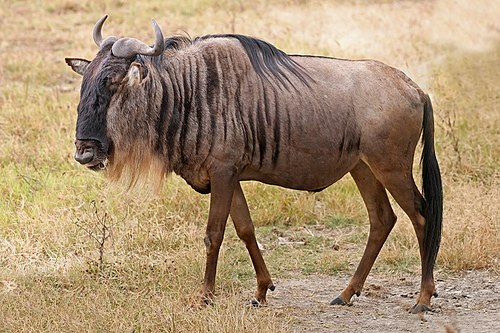
Blue Wildebeest
Connochaetes taurinus

Greater Kudu
Tragelaphus strepsiceros

Waterbuck
Kobus ellipsiprymnus

Common Warthog
Phacochoerus africanus

Steenbok
Raphicerus campestris

Banded Mongoose
Mungos mungo

Vervet Monkey
Chlorocebus pygerythrus

Chacma Baboon
Papio ursinus
📊 Most Spotted
Grey Go-Away-Bird
Corythaixoides concolor
Common Bulbul
Pycnonotus barbatus
Natal Francolin
Pternistis natalensis
Helmeted Guineafowl
Numida meleagris
Fork-tailed Drongo
Dicrurus adsimilis
Blacksmith Lapwing
Vanellus armatus
Egyptian Goose
Alopochen aegyptiaca
Cape Turtle Dove
Streptopelia capicola
LADO
Spilopelia senegalensis

Pied Crow
Corvus albus

African Sacred Ibis
Threskiornis aethiopicus

Red-shouldered Glossy-starling
Lamprotornis nitens
📊 Most Spotted

Nile Crocodile
Crocodylus niloticus

Serrated Hinged Terrapin
Pelusios sinuatus

Nile Monitor
Varanus niloticus

Leopard Tortoise
Stigmochelys pardalis

Montane Speckled Skink
Trachylepis punctatissima

Cape Dwarf Gecko
Lygodactylus capensis

Cape Terrapin
Pelomedusa galeata

Flap-necked Chameleon
Chamaeleo dilepis

Southern Tree Agama
Acanthocercus atricollis

Black Mamba
Dendroaspis polylepis

Puff Adder
Bitis arietans

Mozambique Spitting Cobra
Naja mossambica
📊 Most Spotted

African Split-skin Toad
Schismaderma carens

Grey Foam-nest Treefrog
Chiromantis xerampelina

Senegal Kassina
Kassina senegalensis

Red-Banded Rubber Frog
Phrynomantis bifasciatus

Common River Frog
Amietia delalandii

Painted Reed Frog
Hyperolius marmoratus

African Clawed Frog
Xenopus laevis

African Common Toad
Sclerophrys gutturalis

Garman's Toad
Sclerophrys garmani

Fenoulhet's Toad
Poyntonophrynus fenoulheti
Animal Events
Peak Grazing and Herbivore Gathering
As the dry season sets in, vast herds of impala and blue wildebeest congregate heavily around shrinking waterholes and open grasslands, drawing opportunistic predators.
Dry Season Predator Activity
Sparse foliage and dry conditions optimize visibility, allowing expert trackers to spot elusive leopards resting in riverine trees alongside hippopotamus pods crowded in diminishing pools.

Rains and Amphibian Breeding
The arrival of summer rains transforms the crater floor into lush greenery, triggering explosive choruses and breeding activity from African split-skin toads and grey foam-nest treefrogs.
Sighting Calendar
Chance of spotting each species, month by month
Sighting Zones
Warm areas are where all species together are recorded most, so they track where people go as much as where animals are. For one species, see the map on its own page.
Where Wildlife Score
How good is this park for seeing wildlife?Biodiversity
GoodHow rich is the wildlife?
Sighting
ExcellentHow likely to see animals?
Quick answers
What animals can you see in Pilanesberg National Park?
The most likely sightings are Grey Go-Away-Bird (seen by 80–90% of wildlife watchers), Common Bulbul (seen by 70–80% of wildlife watchers), Natal Francolin (seen by 60–70% of wildlife watchers), Helmeted Guineafowl (seen by 60–70% of wildlife watchers), Fork-tailed Drongo (seen by 60–70% of wildlife watchers) — among 795 recorded vertebrate species, based on citizen-science data from GBIF.
When is the best time to visit Pilanesberg National Park for wildlife?
June has the highest combined sighting rate for the park's top species in our month-by-month GBIF data. The full sighting calendar on this page shows each species' best months.
Can you see African Bush Elephant in Pilanesberg National Park?
Yes — about 61% of wildlife watchers report a African Bush Elephant sighting in Pilanesberg National Park, based on 187 days of visitor records from GBIF citizen-science data.
Can you see White Rhinoceros in Pilanesberg National Park?
Yes — about 52% of wildlife watchers report a White Rhinoceros sighting in Pilanesberg National Park, based on 130 days of visitor records from GBIF citizen-science data.
Can you see Lion in Pilanesberg National Park?
Yes — about 38% of wildlife watchers report a Lion sighting in Pilanesberg National Park, based on 68 days of visitor records from GBIF citizen-science data.
Explore Other Parks
 📍 486 km 🐆 Leopard Prowls Kruger’s Wild Savannah
 Kruger National Park
.jpg?width=1920) 📍 588 km 🐕 Painted Hunting Dog Thrives in Hluhluwe
📍 588 km 🐕 Painted Hunting Dog Thrives in Hluhluwe Hluhluwe-Imfolozi Park
 📍 626 km 🐊 Crocodile Encounters at ISimangaliso
 iSimangaliso Wetland Park
 📍 667 km 🐘 Untamed Wilderness for the African Bush Elephant