Queen Elizabeth National Park
🇺🇬 Uganda
🐘 Elephants Along the Kazinga ChannelQueen Elizabeth is a tropical savanna reserve in western Uganda, spanning open grasslands, dense woodlands, and shallow crater lakes. Visitors walk through flat grassy tracks and shrubby acacia trails beneath the shadows of distant mountains.
-0.227° S 29.976° E
Wildlife
⭐ Iconic Species
 ★
★ Lion
Panthera leo
 ★
★ Common Hippopotamus
Hippopotamus amphibius
 ★
★ African Bush Elephant
Loxodonta africana
 ★
★ Nile Monitor
Varanus niloticus
📊 Most Spotted

Speckled Mousebird
Colius striatus

Black-headed Gonolek
Laniarius erythrogaster

Rüppell's Glossy-starling
Lamprotornis purpuroptera

Kob
Kobus kob

Waterbuck
Kobus ellipsiprymnus

Common Bulbul
Pycnonotus barbatus

African Buffalo
Syncerus caffer

White-browed Coucal
Centropus superciliosus

Cape Turtle Dove
Streptopelia capicola

Hamerkop
Scopus umbretta

African Fish-Eagle
Haliaeetus vocifer

Common Warthog
Phacochoerus africanus
⭐ Iconic Species
★ Lion
Panthera leo
★ Common Hippopotamus
Hippopotamus amphibius
★ African Bush Elephant
Loxodonta africana
📊 Most Spotted
Kob
Kobus kob
Waterbuck
Kobus ellipsiprymnus
African Buffalo
Syncerus caffer
Common Warthog
Phacochoerus africanus

Olive Baboon
Papio anubis

Giant Forest Hog
Hylochoerus meinertzhageni

Tantalus Monkey
Chlorocebus tantalus

Topi
Damaliscus korrigum

Leopard
Panthera pardus
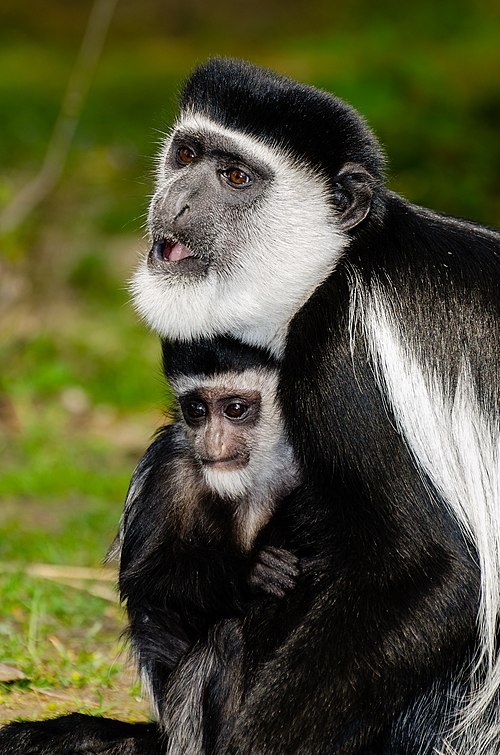
Mantled Guereza
Colobus guereza

Banded Mongoose
Mungos mungo

Northern Bushbuck
Tragelaphus scriptus
📊 Most Spotted
Speckled Mousebird
Colius striatus
Black-headed Gonolek
Laniarius erythrogaster
Rüppell's Glossy-starling
Lamprotornis purpuroptera
Common Bulbul
Pycnonotus barbatus
White-browed Coucal
Centropus superciliosus
Cape Turtle Dove
Streptopelia capicola
Hamerkop
Scopus umbretta
African Fish-Eagle
Haliaeetus vocifer

Red-necked Francolin
Pternistis afer

Pied Kingfisher
Ceryle rudis

Grey-backed Fiscal
Lanius excubitoroides

Yellow-throated Longclaw
Macronyx croceus
⭐ Iconic Species
📊 Most Spotted

Nile Crocodile
Crocodylus niloticus

Uganda blue-headed tree agama
Acanthocercus ugandaensis

Speckle-lipped Mabuya
Trachylepis maculilabris

Montane side-striped chameleon
Trioceros ellioti

African Rock Python
Python sebae

Black-necked Spitting Cobra
Naja nigricollis

African Striped Skink
Trachylepis striata

Spotted Bush Snake
Philothamnus semivariegatus

Puff Adder
Bitis arietans

Johnston's Chameleon
Trioceros johnstoni

Tropical House Gecko
Hemidactylus mabouia

Brown Forest Cobra
Naja subfulva




Animal Events
Kazinga Channel Wildlife Gathering
Concentration of hippos, elephants, buffaloes, and waterbirds along the Kazinga Channel, creating one of Africa’s highest biomass densities per square kilometer.
Ishasha Tree-Climbing Lion Mating Season
Tree-climbing lions use fig trees (e.g., Ficus natalensis) as vantage points for hunting and socializing, with increased mating activity observed during these months.

Kob Breeding Concentration in Mweya Peninsula
Large herds of Kob gather in open grasslands for breeding, attracting predators like lions and leopards, creating dramatic wildlife interactions.

Sighting Calendar
Chance of spotting each species, month by month
Sighting Zones
Warm areas are where all species together are recorded most, so they track where people go as much as where animals are. For one species, see the map on its own page.
Where Wildlife Score
How good is this park for seeing wildlife?Biodiversity
ExcellentHow rich is the wildlife?
Sighting
ExcellentHow likely to see animals?
Quick answers
What animals can you see in Queen Elizabeth National Park?
The most likely sightings are African Bush Elephant (seen by 70–80% of wildlife watchers), Speckled Mousebird (seen by 60–70% of wildlife watchers), Black-headed Gonolek (seen by 60–70% of wildlife watchers), Common Hippopotamus (seen by 60–70% of wildlife watchers), Rüppell's Glossy-starling (seen by 60–70% of wildlife watchers) — among 1750 recorded vertebrate species, based on citizen-science data from GBIF.
When is the best time to visit Queen Elizabeth National Park for wildlife?
February has the highest combined sighting rate for the park's top species in our month-by-month GBIF data. The full sighting calendar on this page shows each species' best months.
Can you see Lion in Queen Elizabeth National Park?
Yes — about 59% of wildlife watchers report a Lion sighting in Queen Elizabeth National Park, based on 107 days of visitor records from GBIF citizen-science data.
Can you see Common Hippopotamus in Queen Elizabeth National Park?
Yes — about 68% of wildlife watchers report a Common Hippopotamus sighting in Queen Elizabeth National Park, based on 152 days of visitor records from GBIF citizen-science data.
Can you see African Bush Elephant in Queen Elizabeth National Park?
Yes — about 71% of wildlife watchers report a African Bush Elephant sighting in Queen Elizabeth National Park, based on 170 days of visitor records from GBIF citizen-science data.
Can you see Nile Monitor in Queen Elizabeth National Park?
Yes — about 58% of wildlife watchers report a Nile Monitor sighting in Queen Elizabeth National Park, based on 102 days of visitor records from GBIF citizen-science data.

.jpg?width=1920)

