


Common Squeaker
Arthroleptis stenodactylus
- KingdomAnimalia (Animals)
- PhylumChordata (Cordats)
- ClassAmphibia (Amfibis)
- OrderAnura (Anurs)
- FamilyArthroleptidae (Squeakers)
- GenusArthroleptis (Screeching Frogs)
- SpeciesArthroleptis stenodactylus (Common Squeaker)
Arthroleptis stenodactylus, the common squeaker, dune squeaker, narrow-footed humus frog, savanna squeaking frog, or shovel-footed squeaker, is a species of frog in the family Arthroleptidae. It occurs widely in the Sub-Saharan Africa and is known from coastal Kenya and eastern and southern Tanzania (including Zanzibar), south to Malawi and Mozambique and southwest to Zambia and southern Democratic Republic of the Congo to western Angola, northern Botswana, Zimbabwe, and northeastern South Africa. An isolated population in Uganda likely represent another species, and it is possible that the current species circumscription includes further cryptic species. Arthroleptis stenodactylus inhabits a very wide variety of habitats such as forest, savanna woodland, thickets, and suburban areas at elevations up to 1,500 m (4,900 ft) above sea level, possibly higher. It is typically found in leaf litter. Breeding is through direct development and not dependent on water. Wikipedia →
20–30% of wildlife watchers report a Common Squeaker sighting in South Luangwa National Park, based on 10 days of visitor records from GBIF citizen-science data.
Closest Relatives at South Luangwa National Park

Dwarf Squeaker
Arthroleptis xenodactyloides

Plain Squeaker
Arthroleptis xenochirus

Bocage's Tree Frog
Leptopelis bocagii

Grey Foam-nest Treefrog
Chiromantis xerampelina
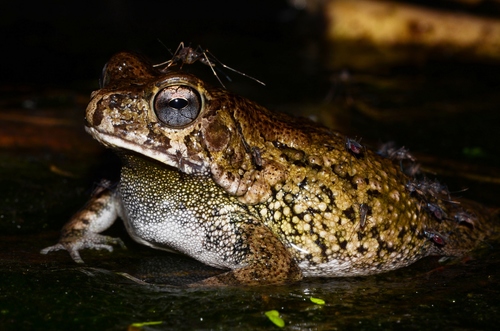
Eastern Flat-backed Toad
Sclerophrys pusilla
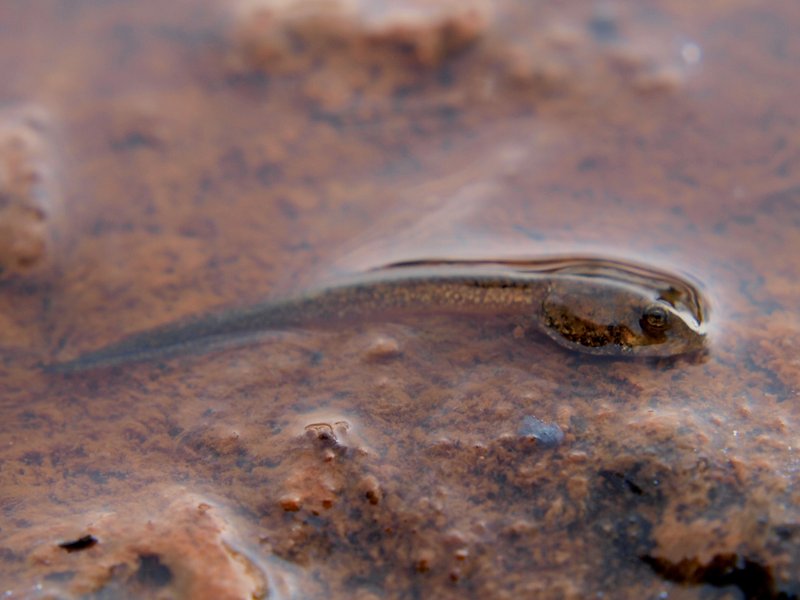
Mutinondo Grass Frog
Ptychadena mutinondoensis

Margined Reed Frog
Hyperolius marginatus

Darling's white-lipped frog
Amnirana darlingi

African Common Toad
Sclerophrys gutturalis

Sharp-nosed ridged frog
Ptychadena oxyrhynchus

Pointed Long Reed Frog
Hyperolius nasicus
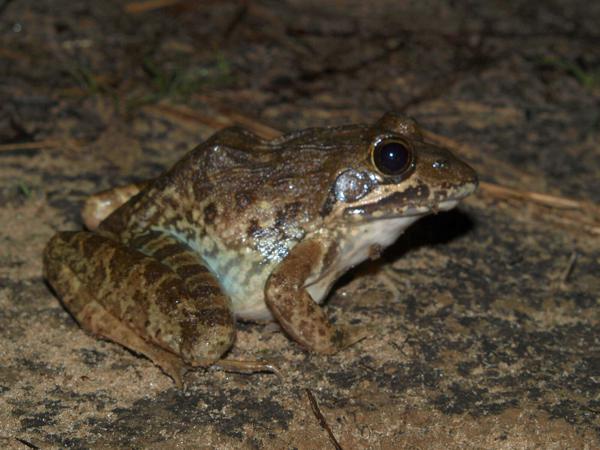
Moyer's River Frog
Amietia moyerorum
📅 Monthly Probability
☀️🌙 When They're Spotted
Active throughout day and night · across all parks (global)
Global Distribution
Where this species is recorded worldwide. Restricted to human observations from 2019 onwards — the same kind of record and the same period the probabilities on this page are built from, so collar-tracking studies, camera-trap arrays and museum specimens are excluded. Around Santa Rosa that removes 5,924 GPS fixes from a handful of tagged jaguars.
where this species is recorded (GBIF density — it tracks where observers go, not how likely a sighting is) · parks where it occurs — tap a pin for the sighting probability there
Parks Where Found
| # | Park | Country | Probability |
|---|---|---|---|
| 1 | Gonarezhou National Park | 🇿🇼 Zimbabwe | |
| 2 | South Luangwa National Park | 🇿🇲 Zambia | |
| 3 | iSimangaliso Wetland Park | 🇿🇦 South Africa | |
| 4 | Selous Game Reserve | 🇹🇿 Tanzania | |
| 5 | Gorongosa National Park | 🇲🇿 Mozambique | |
| 6 | Liwonde National Park | 🇲🇼 Malawi | |
| 7 | Tsavo East National Park | 🇰🇪 Kenya | |
| 8 | Tsavo West National Park | 🇰🇪 Kenya | |
| 9 | Kruger National Park | 🇿🇦 South Africa |
Quick answers
What are the chances of seeing a Common Squeaker in South Luangwa National Park?
About 23% of wildlife watchers report a Common Squeaker sighting in South Luangwa National Park, based on 10 days of visitor records from GBIF citizen-science data.
When is the best time to see Common Squeaker in South Luangwa National Park?
December has the highest sighting rate for Common Squeaker in South Luangwa National Park in our monthly data.