


Long-nosed Potoroo
Potorous tridactylus
- KingdomAnimalia (Animals)
- PhylumChordata (Cordats)
- ClassMammalia (Mamífers)
- OrderDiprotodontia (Kangaroos, Possums, Wombats, and Allies)
- FamilyPotoroidae (Potoroos and Bettongs)
- GenusPotorous (Potoroos)
- SpeciesPotorous tridactylus (Long-nosed Potoroo)
The long-nosed potoroo (Potorous tridactylus) is a small, hopping mammal native to forests and shrubland of southeastern Australia and Tasmania. A member of the potoroo and bettong family (Potoroidae), it lives alone and digs at night for fungi, roots, or small insects. It is also a marsupial (like kangaroos) and carries its young in a pouch. The long-nosed potoroo is threatened by habitat loss and introduced species such as cats or foxes. There are two subspecies: P. t. tridactylus on mainland Australia, and P. t. Wikipedia →
20–30% of wildlife watchers report a Long-nosed Potoroo sighting in Springbrook National Park, based on 33 days of visitor records from GBIF citizen-science data.
Closest Relatives at Springbrook National Park

Red-legged Pademelon
Thylogale stigmatica

Red-necked Pademelon
Thylogale thetis

Short-eared Possum
Trichosurus caninus
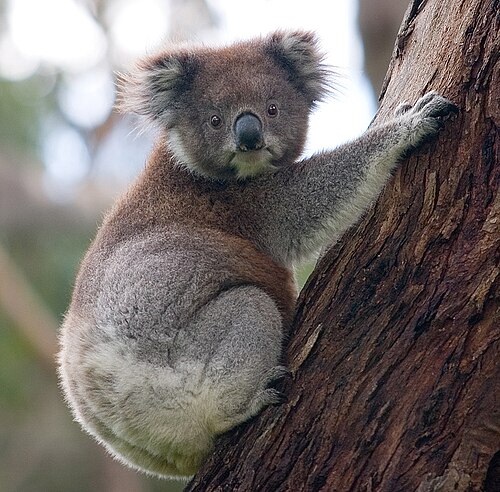
Koala
Phascolarctos cinereus

Swamp Wallaby
Wallabia bicolor

Red-necked Wallaby
Notamacropus rufogriseus

Common Ringtail Possum
Pseudocheirus peregrinus

Common Brushtail
Trichosurus vulpecula

Sugar Glider
Petaurus breviceps

Eastern Pygmy Possum
Cercartetus nanus

Greater Glider
Petauroides volans

Whiptail Wallaby
Notamacropus parryi
📅 Monthly Probability
🌙 When They're Spotted
Most active during nighttime hours (6pm–6am) · across all parks (global)
Global Distribution
Where this species is recorded worldwide. Restricted to human observations from 2019 onwards — the same kind of record and the same period the probabilities on this page are built from, so collar-tracking studies, camera-trap arrays and museum specimens are excluded. Around Santa Rosa that removes 5,924 GPS fixes from a handful of tagged jaguars.
where this species is recorded (GBIF density — it tracks where observers go, not how likely a sighting is) · parks where it occurs — tap a pin for the sighting probability there
Parks Where Found
| # | Park | Country | Probability |
|---|---|---|---|
| 1 | Maria Island National Park | 🇦🇺 Australia | |
| 2 | Springbrook National Park | 🇦🇺 Australia | |
| 3 | Great Otway National Park | 🇦🇺 Australia | |
| 4 | Freycinet National Park | 🇦🇺 Australia | |
| 5 | Lamington National Park | 🇦🇺 Australia |
Quick answers
What are the chances of seeing a Long-nosed Potoroo in Springbrook National Park?
About 21% of wildlife watchers report a Long-nosed Potoroo sighting in Springbrook National Park, based on 33 days of visitor records from GBIF citizen-science data.
When is the best time to see Long-nosed Potoroo in Springbrook National Park?
August has the highest sighting rate for Long-nosed Potoroo in Springbrook National Park in our monthly data.