Tarangire National Park
🇹🇿 Tanzania
🐘 Elephants Among the BaobabsTarangire National Park sits in northern Tanzania and protects a tropical savanna of rolling grasslands, scattered baobab trees and a riverine strip of forest along the Tarangire River. The habitat supports large herds of African Bush Elephants that frequent the river, flocks of Superb Starlings in the acacia canopy, and Lilac‑breasted Rollers that swoop over the open plains.
-4.021° S 36.036° E
Wildlife
⭐ Iconic Species
 ★
★ African Bush Elephant
Loxodonta africana
 ★
★ East African Giraffe
Giraffa tippelskirchi
 ★
★ Superb Starling
Lamprotornis superbus
 ★
★ Nile Monitor
Varanus niloticus
📊 Most Spotted

Lilac-breasted Roller
Coracias caudatus

Ashy Starling
Lamprotornis unicolor

White-headed Buffalo-Weaver
Dinemellia dinemelli

Vervet Monkey
Chlorocebus pygerythrus

Northern Red-billed Hornbill
Tockus erythrorhynchus

Impala
Aepyceros melampus

Cape Turtle Dove
Streptopelia capicola

Waterbuck
Kobus ellipsiprymnus

Yellow-collared Lovebird
Agapornis personatus

Northern White-crowned Shrike
Eurocephalus ruppelli

Common Warthog
Phacochoerus africanus

Magpie Shrike
Urolestes melanoleucus
⭐ Iconic Species
📊 Most Spotted
Vervet Monkey
Chlorocebus pygerythrus
Impala
Aepyceros melampus
Waterbuck
Kobus ellipsiprymnus
Common Warthog
Phacochoerus africanus

Plains Zebra
Equus quagga

Banded Mongoose
Mungos mungo

Lion
Panthera leo

Olive Baboon
Papio anubis
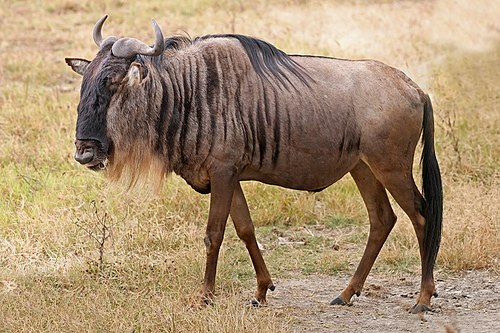
Blue Wildebeest
Connochaetes taurinus

Common Dwarf Mongoose
Helogale parvula

Yellow-spotted Rock Hyrax
Heterohyrax brucei

African Buffalo
Syncerus caffer
⭐ Iconic Species
📊 Most Spotted
Lilac-breasted Roller
Coracias caudatus
Ashy Starling
Lamprotornis unicolor
White-headed Buffalo-Weaver
Dinemellia dinemelli
Northern Red-billed Hornbill
Tockus erythrorhynchus
Cape Turtle Dove
Streptopelia capicola
Yellow-collared Lovebird
Agapornis personatus
Northern White-crowned Shrike
Eurocephalus ruppelli
Magpie Shrike
Urolestes melanoleucus

Von der Decken's Hornbill
Tockus deckeni

Helmeted Guineafowl
Numida meleagris

Fork-tailed Drongo
Dicrurus adsimilis

Yellow-necked Francolin
Pternistis leucoscepus
⭐ Iconic Species
📊 Most Spotted

Leopard Tortoise
Stigmochelys pardalis

African Striped Skink
Trachylepis striata

Sudan Plated Lizard
Broadleysaurus major

Red-lipped Snake
Crotaphopeltis hotamboeia

Flap-necked Chameleon
Chamaeleo dilepis

Crevice Tortoise
Malacochersus tornieri

Southern African Python
Python natalensis

African Rock Python
Python sebae

Spotted Bush Snake
Philothamnus semivariegatus

Sudan Mabuya
Trachylepis brevicollis

Helmeted Turtle
Pelomedusa subrufa

Tree skink
Trachylepis planifrons
📊 Most Spotted

Red-Banded Rubber Frog
Phrynomantis bifasciatus

Peters' Foam-nest Tree Frog
Chiromantis petersii

Kenya Banana Frog
Afrixalus septentrionalis

Shovel-nosed Frog
Hemisus marmoratus

African Common Toad
Sclerophrys gutturalis

Senegal Kassina
Kassina senegalensis

Delicate Spiny Reed Frog
Afrixalus delicatus

Anchieta's Ridged Frog
Ptychadena anchietae

Four-striped Tree-folding Frog
Afrixalus quadrivittatus

Edible bullfrog
Pyxicephalus edulis

Schilluk ridged frog
Ptychadena schillukorum

Natal Puddle Frog
Phrynobatrachus natalensis
Animal Events
Great Elephant Migration
Tarangire's elephant herds congregate around the Tarangire River, creating one of Africa's most spectacular wildlife spectacles as they rely on the last remaining water sources during the dry season.
Baobab Tree Wildlife Haven
The park's ancient baobab trees provide critical nesting sites and shade, attracting diverse wildlife including birds, mammals, and reptiles seeking refuge from the heat.
Birding Spectacle: Starling Swarms
During the wet season, Superb Starlings and other birds form massive, swirling flocks, creating a breathtaking avian display against the baobab backdrop.
Sighting Calendar
Chance of spotting each species, month by month
Sighting Zones
Warm areas are where all species together are recorded most, so they track where people go as much as where animals are. For one species, see the map on its own page.
Where Wildlife Score
How good is this park for seeing wildlife?Biodiversity
Very goodHow rich is the wildlife?
Sighting
ExcellentHow likely to see animals?
Quick answers
What animals can you see in Tarangire National Park?
The most likely sightings are Superb Starling (seen by 80–90% of wildlife watchers), Lilac-breasted Roller (seen by 80–90% of wildlife watchers), Ashy Starling (seen by 70–80% of wildlife watchers), African Bush Elephant (seen by 70–80% of wildlife watchers), White-headed Buffalo-Weaver (seen by 70–80% of wildlife watchers) — among 1236 recorded vertebrate species, based on citizen-science data from GBIF.
When is the best time to visit Tarangire National Park for wildlife?
March has the highest combined sighting rate for the park's top species in our month-by-month GBIF data. The full sighting calendar on this page shows each species' best months.
Can you see African Bush Elephant in Tarangire National Park?
Yes — about 77% of wildlife watchers report a African Bush Elephant sighting in Tarangire National Park, based on 253 days of visitor records from GBIF citizen-science data.
Can you see East African Giraffe in Tarangire National Park?
Yes — about 70% of wildlife watchers report a East African Giraffe sighting in Tarangire National Park, based on 185 days of visitor records from GBIF citizen-science data.
Can you see Superb Starling in Tarangire National Park?
Yes — about 83% of wildlife watchers report a Superb Starling sighting in Tarangire National Park, based on 1,085 days of visitor records from GBIF citizen-science data.
Can you see Nile Monitor in Tarangire National Park?
Yes — about 44% of wildlife watchers report a Nile Monitor sighting in Tarangire National Park, based on 65 days of visitor records from GBIF citizen-science data.
_(27964916384).jpg?width=1920)


